

Regenerating Healthy Cartilage Naturally
Restore damaged knee cartilage with a proven regenerative treatment designed to reduce pain, improve mobility, and help you return to an active lifestyle.
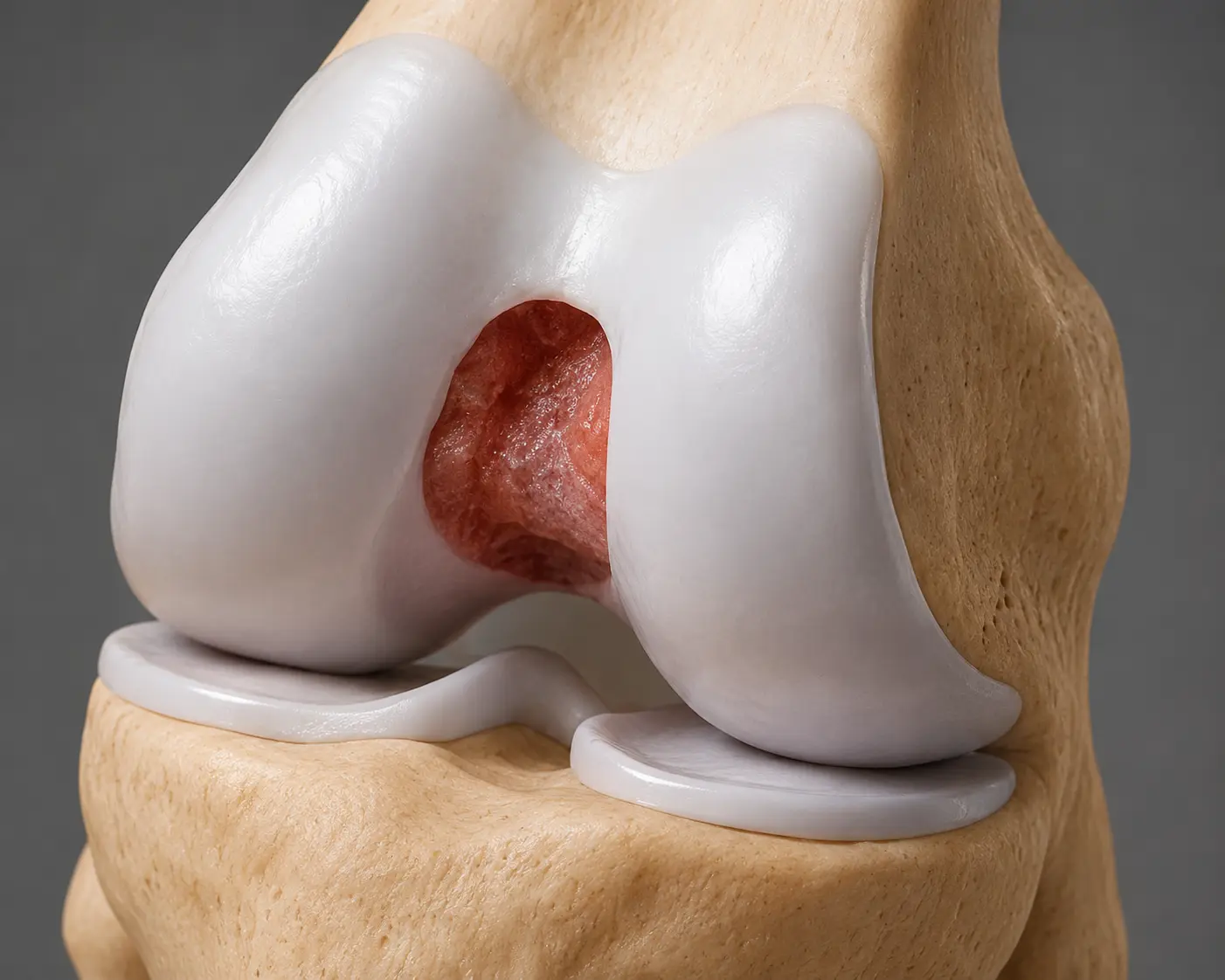
Cartilage injury treatment focuses on reducing pain, improving joint function, and restoring damaged cartilage. Mild injuries can be managed with rest, physiotherapy, medications, and injections.
Cartilage Injury
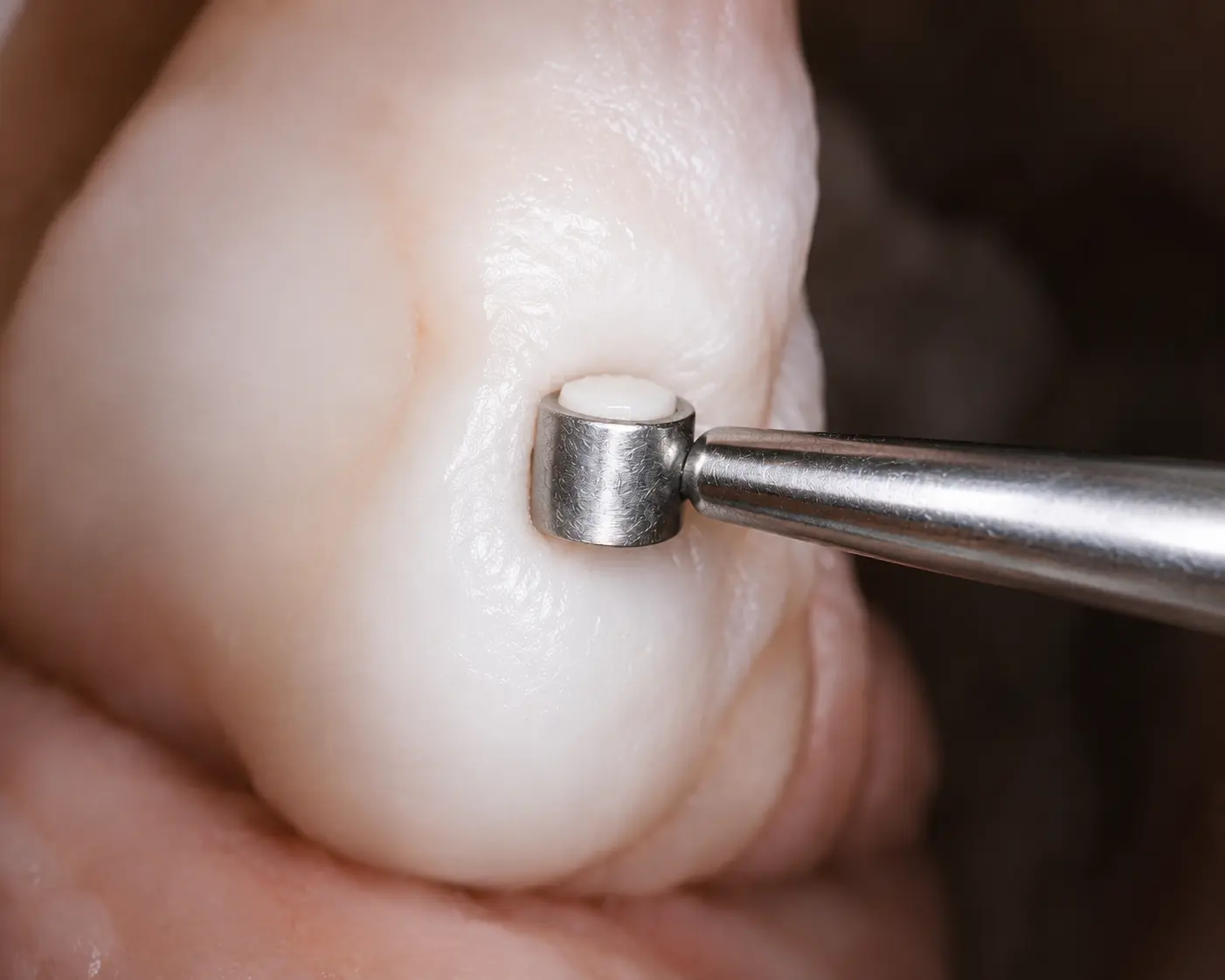
A cartilage biopsy is a minimally invasive procedure in which a small sample of healthy cartilage is collected from a non-weight-bearing area of the joint using arthroscopy.
Cartilage Biopsy
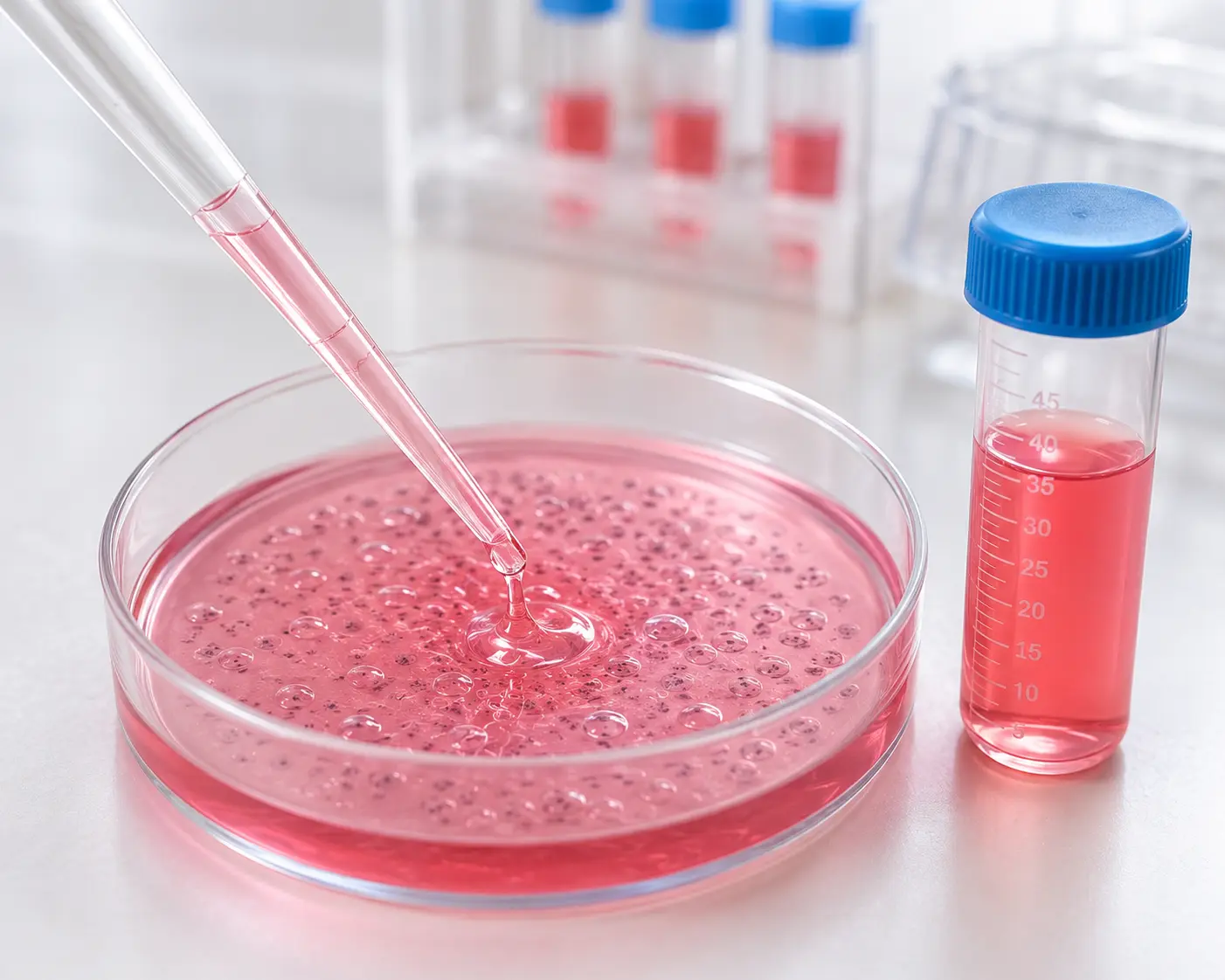
During the cell isolation and culture phase, chondrocytes (cartilage cells) are extracted from the harvested cartilage sample and processed in a specialized laboratory.
Cell Isolation & Culture
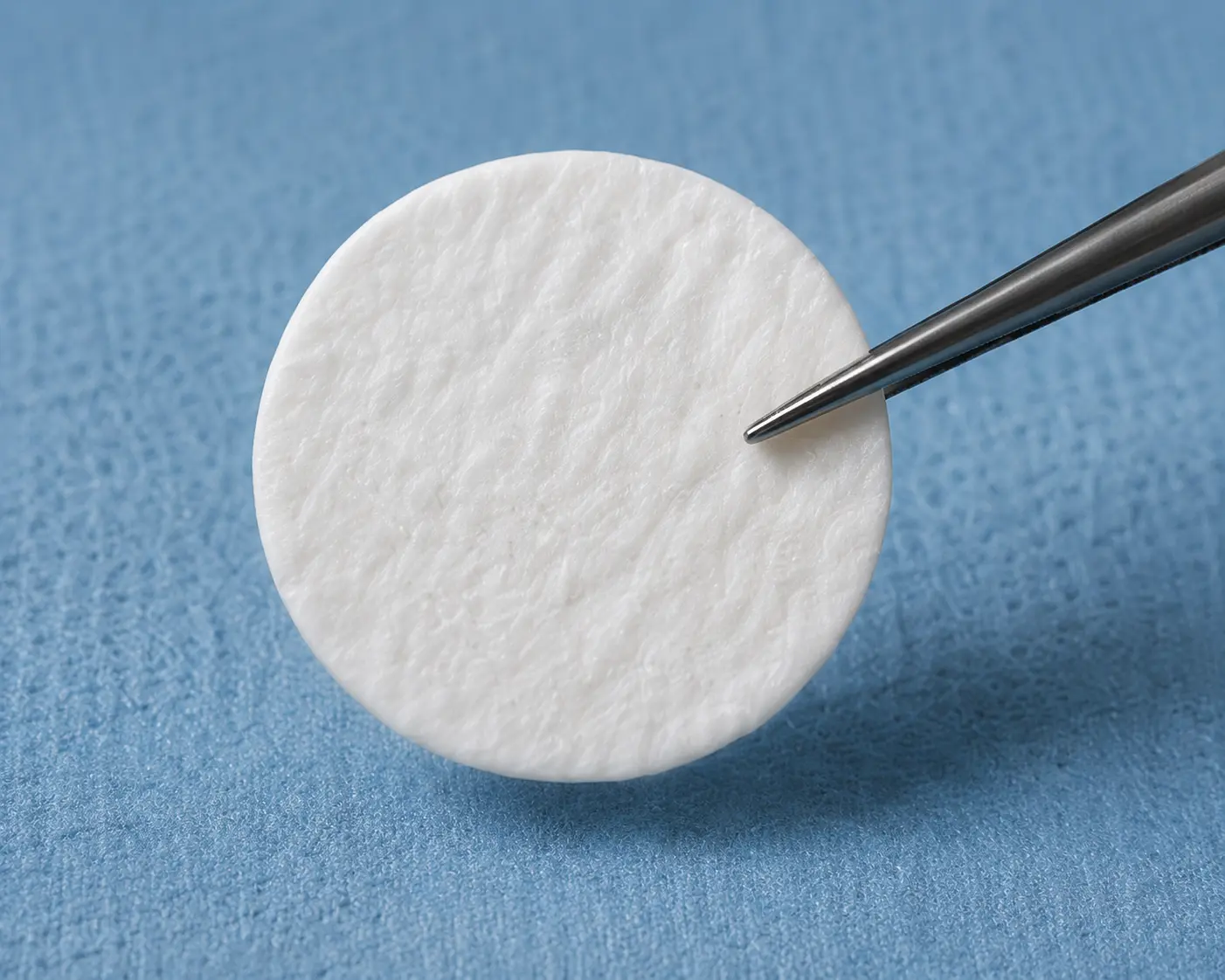
A biocompatible scaffold is prepared to support the growth and attachment of cultured chondrocytes. This scaffold acts as a framework for developing new cartilage tissue before implantation into the damaged area.
Scaffold Preparation
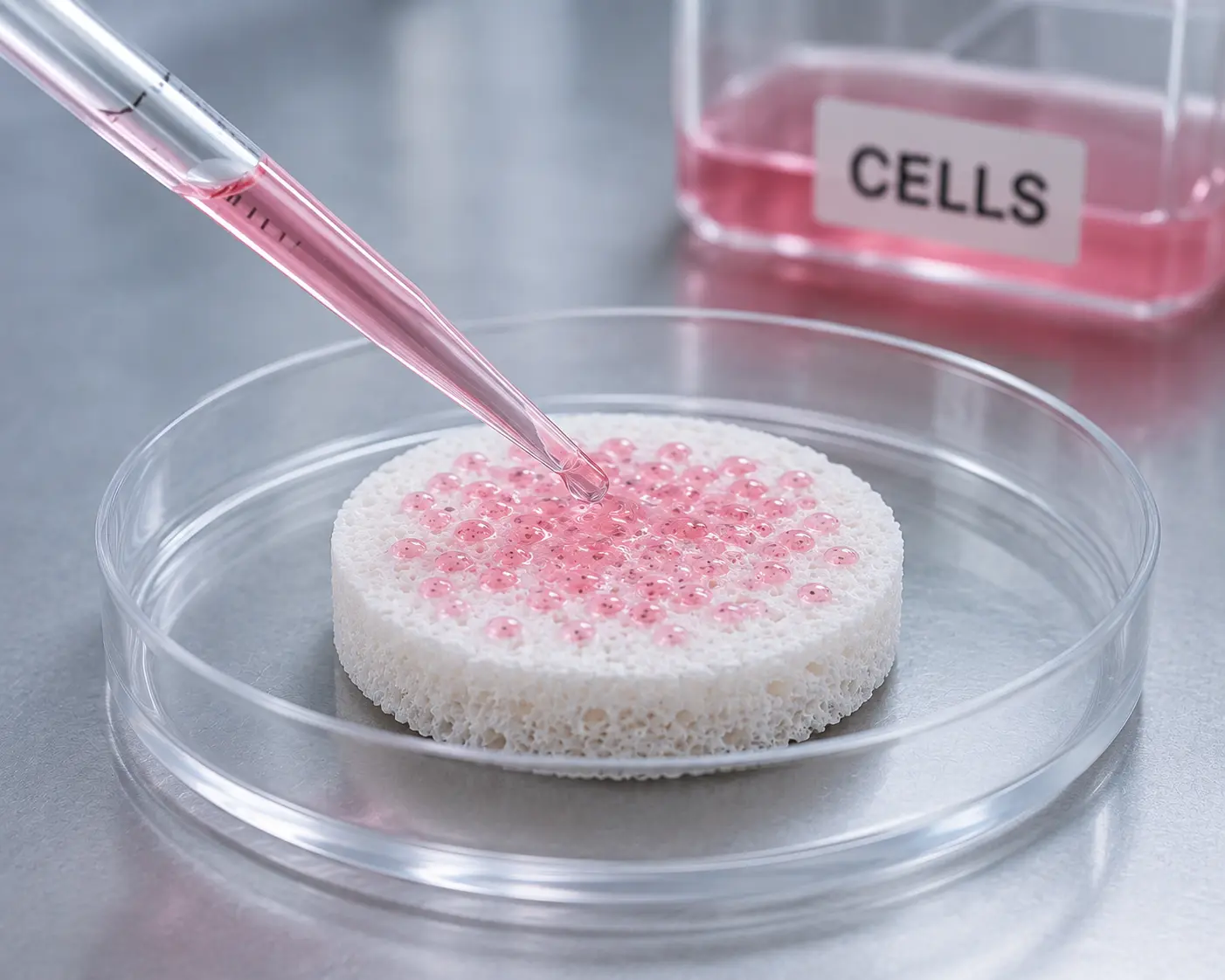
During cell seeding, the cultured chondrocytes are carefully placed onto the prepared scaffold. The cells attach, grow, and begin forming new cartilage tissue, creating a living implant ready for transplantation into the damaged joint area.
Cell Seeding
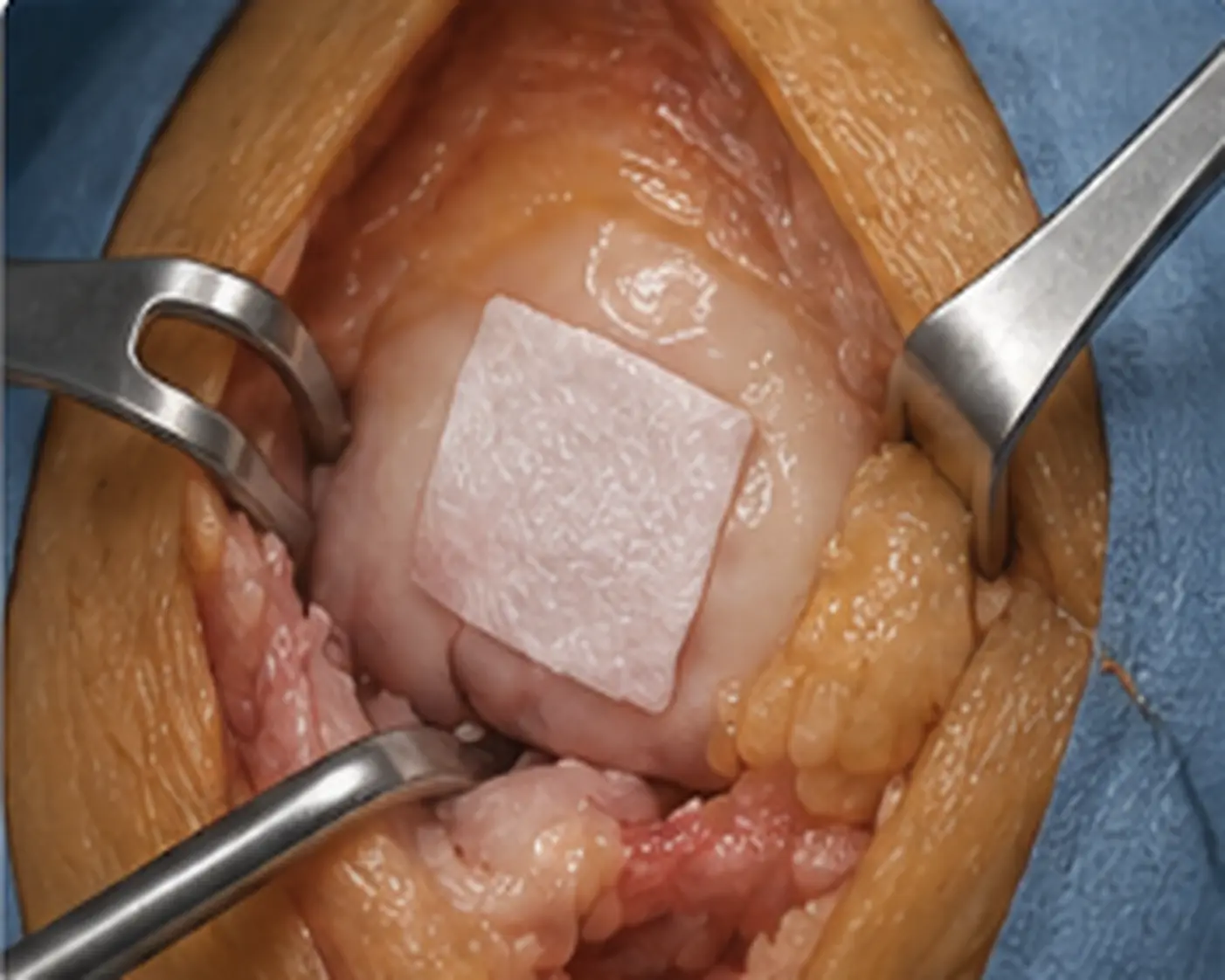
During implantation, the cell-seeded scaffold is carefully placed into the damaged cartilage area of the joint. The implant is secured in position, allowing the chondrocytes to integrate with the surrounding tissue and begin regenerating healthy cartilage.
Implantation
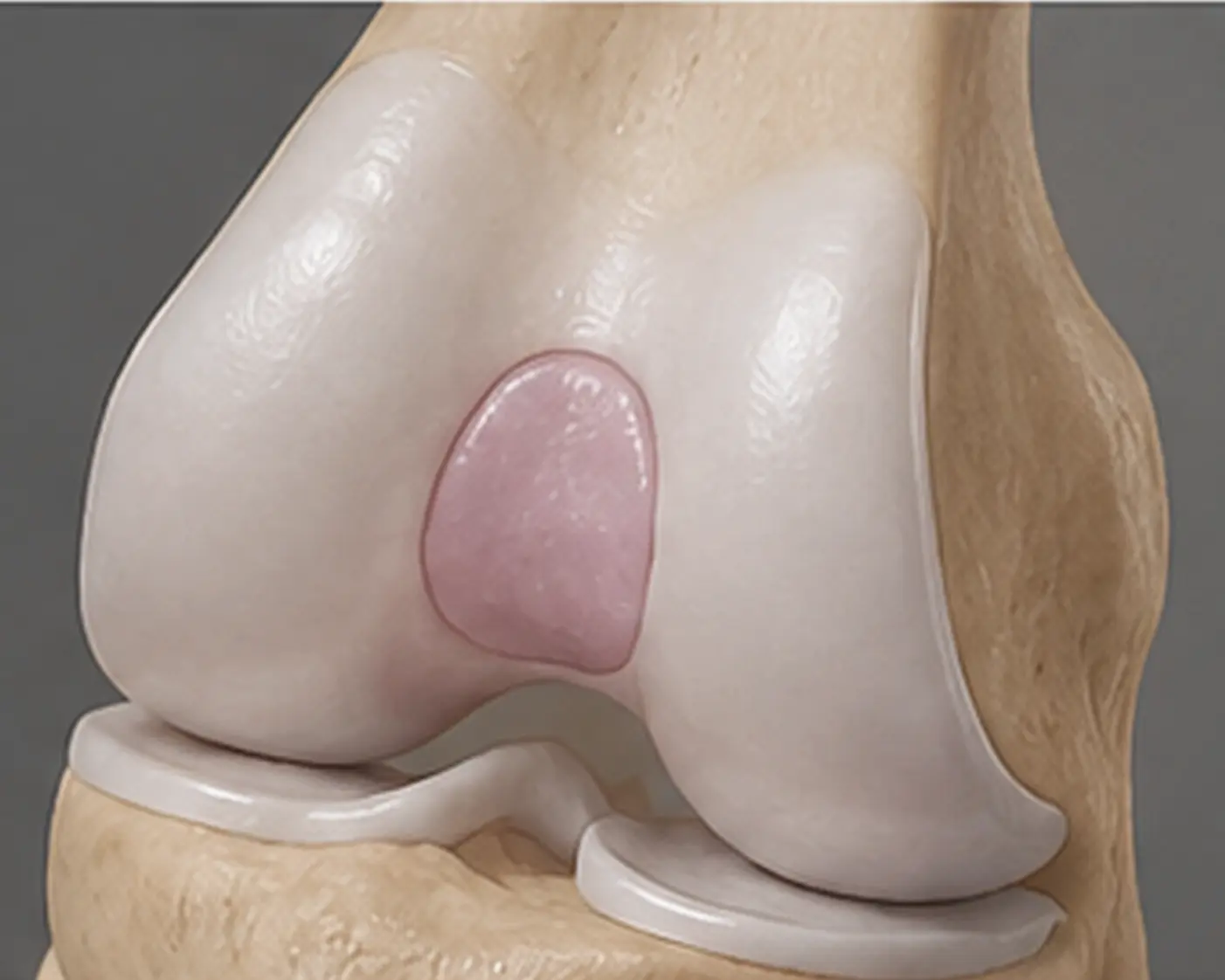
After implantation, the seeded chondrocytes begin producing new cartilage tissue within the damaged area. Over time, the implant integrates with the surrounding cartilage, promoting healing, regeneration, and improved joint function.
Healing & Regeneration

Recovery involves a structured rehabilitation program designed to restore knee strength, flexibility, and mobility. Through physiotherapy and gradual return to activity, patients regain joint function while supporting the healing and maturation of newly formed cartilage over several months.
