

Relieve Shoulder Pain & Restore Mobility
Recover from shoulder impingement with expert physiotherapy treatments designed to reduce pain, improve flexibility, strengthen supporting muscles, and help you return to your daily activities with confidence.
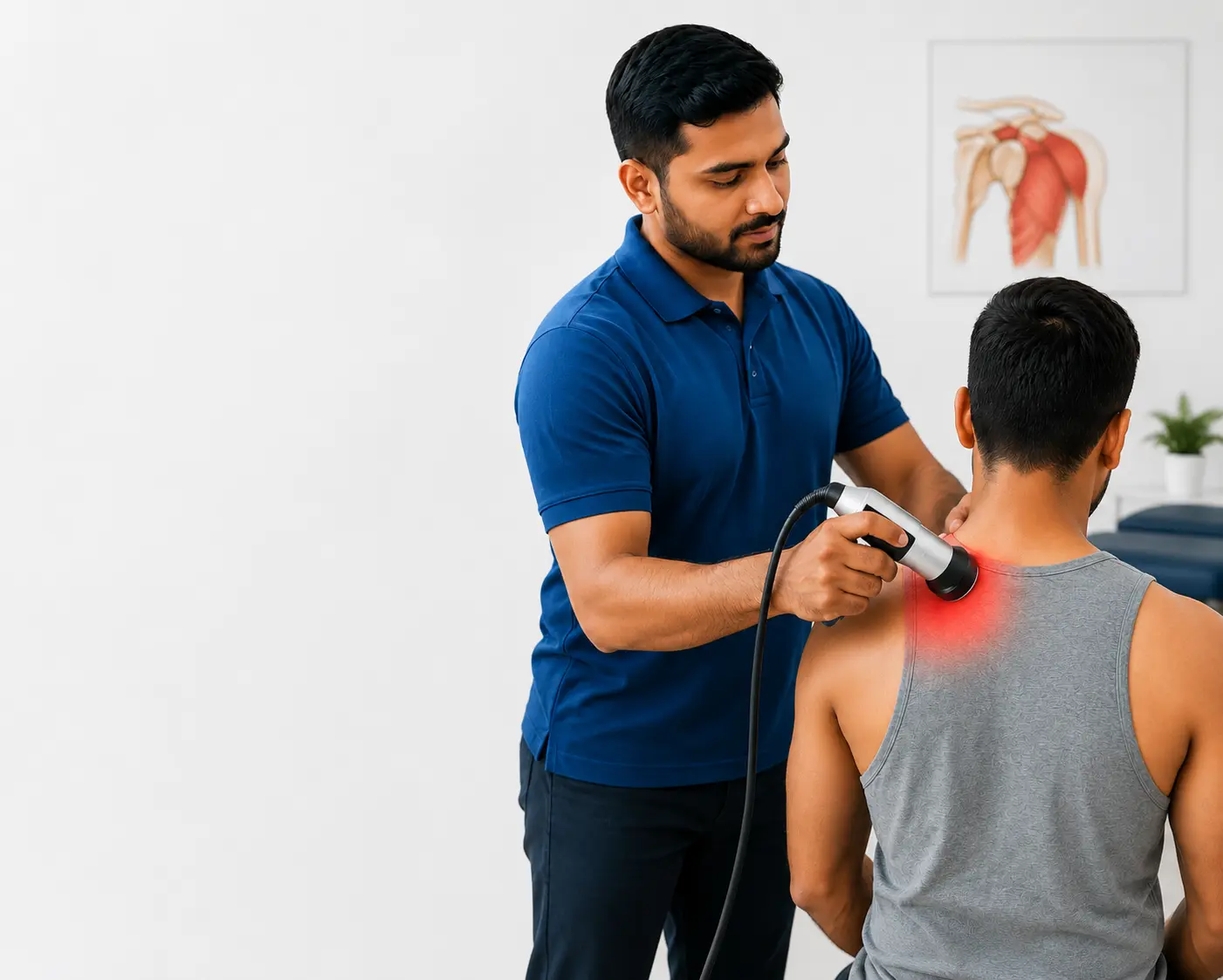
Pain relief and inflammation control are the first steps in treating shoulder impingement. Physiotherapy helps reduce swelling, ease discomfort, and promote healing of the affected shoulder tissues.
PAIN RELIEF & INFLAMMATION CONTROL
Helps reduce pain and inflammation
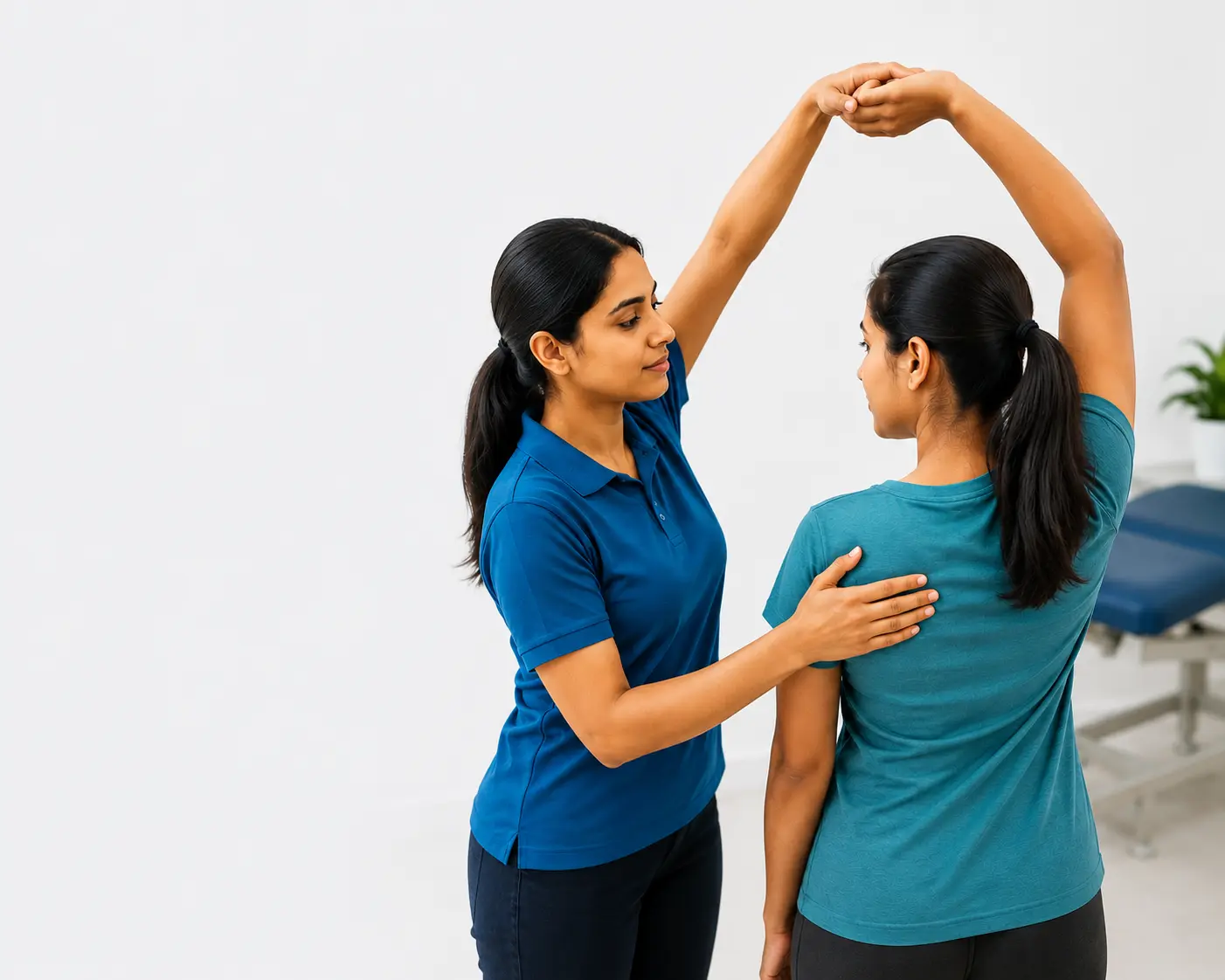
Improving mobility and flexibility is essential for recovering from shoulder impingement. Physiotherapy focuses on gentle stretching and range-of-motion exercises to reduce stiffness, restore normal shoulder movement, and improve joint flexibility.
IMPROVE MOBILITY & FLEXIBILITY
Improves range of motion and reduces stiffness
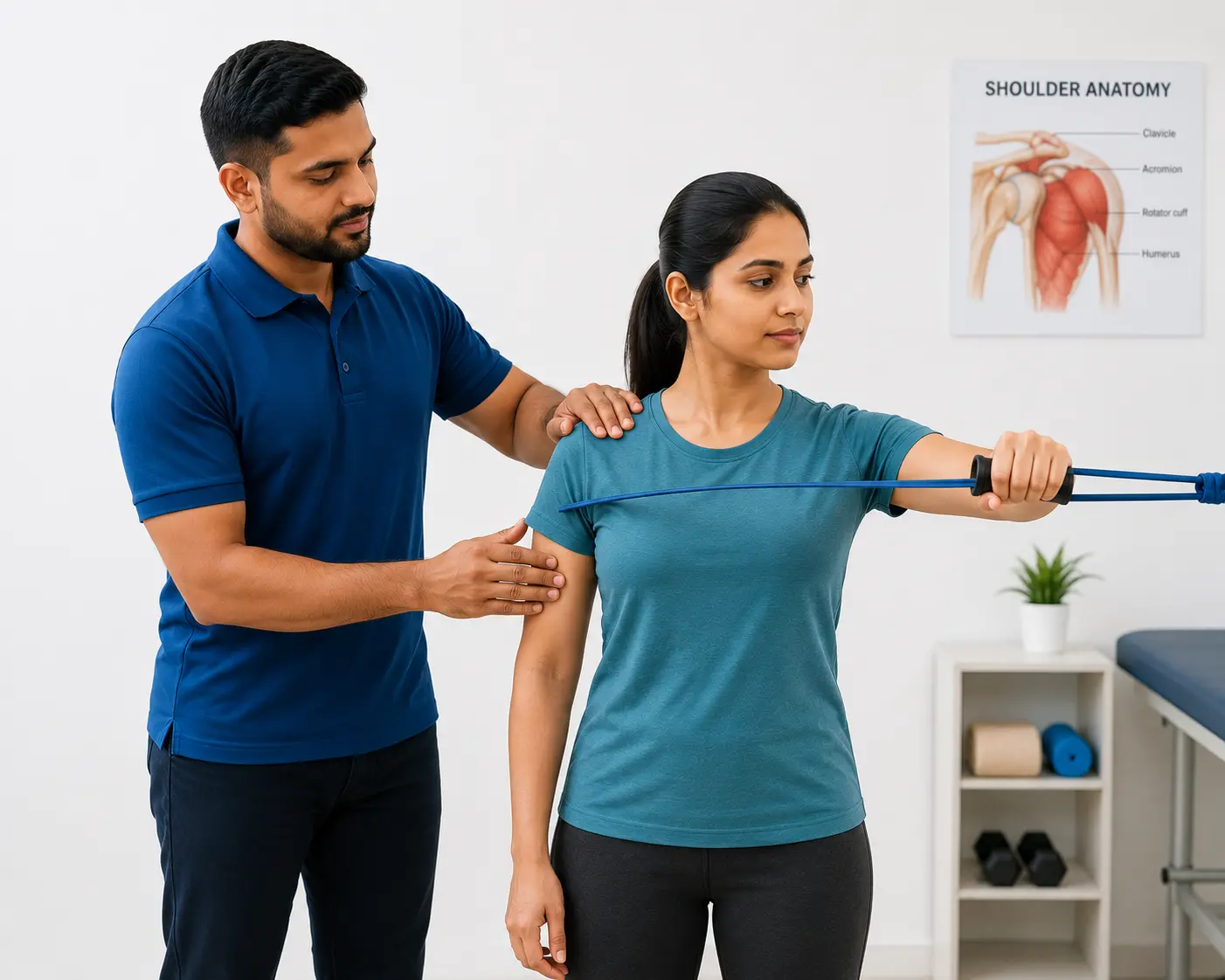
Strengthening exercises play a vital role in the recovery of shoulder impingement by improving the stability and function of the shoulder joint. Physiotherapy focuses on strengthening the rotator cuff muscles, shoulder stabilizers, and upper back muscles to support proper movement and reduce stress on the affected tissues.
STRENGTHENING EXERCISES
Improves shoulder function and prevents recurrence
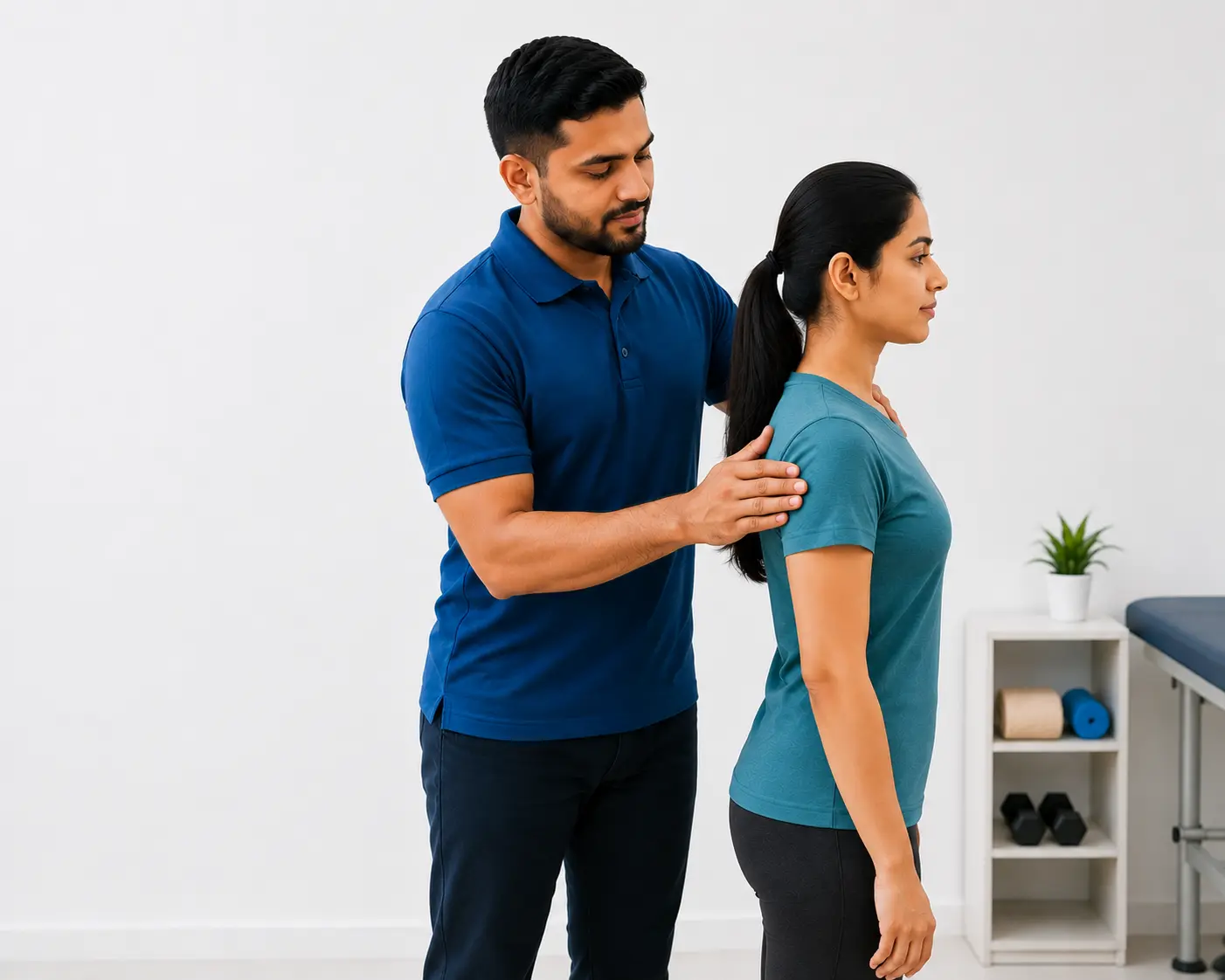
Posture and movement correction are key components of shoulder impingement rehabilitation. Poor posture, improper lifting techniques, and repetitive movement patterns can place excessive stress on the shoulder, leading to pain and reduced function.
POSTURE & MOVEMENT CORRECTION
Reduces stress on the shoulder joint.

Activity modification and ergonomics play an important role in managing and preventing shoulder impingement. Physiotherapists help identify activities, work habits, and movements that may be contributing to shoulder pain and provide practical strategies to reduce stress on the joint.
ACTIVITY MODIFICATION & ERGONOMICS
Prevents aggravation and supports.
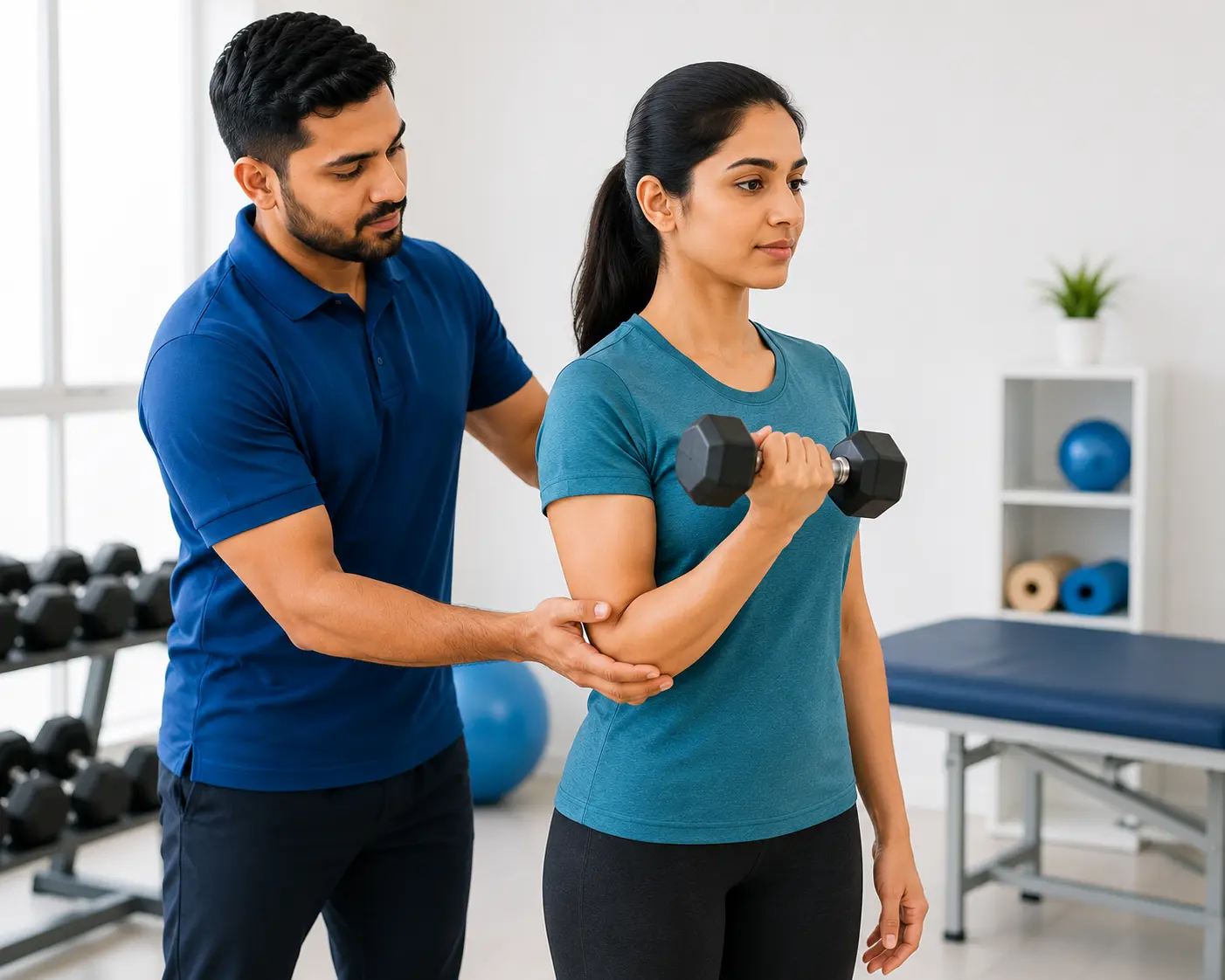
A gradual return to activity and sports is the final stage of shoulder impingement rehabilitation. Once pain has decreased and strength, flexibility, and shoulder function have improved, physiotherapists guide patients through a structured progression of exercises and sport-specific movements.
GRADUAL RETURN TO ACTIVITY/SPORT
Safe return to sports, work and daily activities.
