

Relieve Back Pain & Restore Mobility
Recover from discomfort with expert physiotherapy treatments designed to reduce discomfort, improve flexibility, strengthen supporting muscles, and help you return to your daily activities with confidence. Back pain affects millions of people worldwide; understanding its causes and treatments is essential for effective recovery. Many individuals experience back pain due to lifestyle choices, such as poor posture, lack of exercise, or even stress. Physiotherapy offers various techniques, including manual therapy, stretching, and targeted exercises that can alleviate pain and enhance mobility. For instance, a study published in the Journal of Orthopaedic & Sports Physical Therapy demonstrated the effectiveness of physiotherapy in reducing chronic back pain, highlighting the importance of professional guidance in recovery.
For example, a common technique used in physiotherapy is the McKenzie method, which focuses on specific exercises to improve spinal alignment and reduce discomfort. Patients often report significant improvements in their condition after just a few sessions. Additionally, incorporating ergonomic adjustments in daily activities, such as using proper desk setups or lifting techniques, can greatly minimize the risk of back pain recurrence.
Moreover, incorporating educational components into physiotherapy sessions allows patients to understand their condition better and take proactive measures in their recovery process. It’s not just about treating discomfort but also empowering individuals with knowledge about maintaining a healthy back in the long term. Many physiotherapy clinics also offer group classes that focus on strengthening core muscles, which are crucial for supporting the spine. Engaging in these classes can foster a sense of community and provide motivation for individuals on their path to recovery.
In summary, tackling back pain requires a multifaceted approach that includes physiotherapy interventions, lifestyle changes, and ongoing education. By addressing both the physical and educational needs of patients, we can enable them to manage their discomfort effectively and improve their overall quality of life. If you are struggling with back pain, consider reaching out to a professional physiotherapy clinic that can provide tailored treatment plans to suit your needs. Remember, taking the first step towards recovery is vital in overcoming back pain and regaining your active lifestyle. Additionally, staying informed about the latest research and developments in back pain treatment will empower you to make better choices for your health.
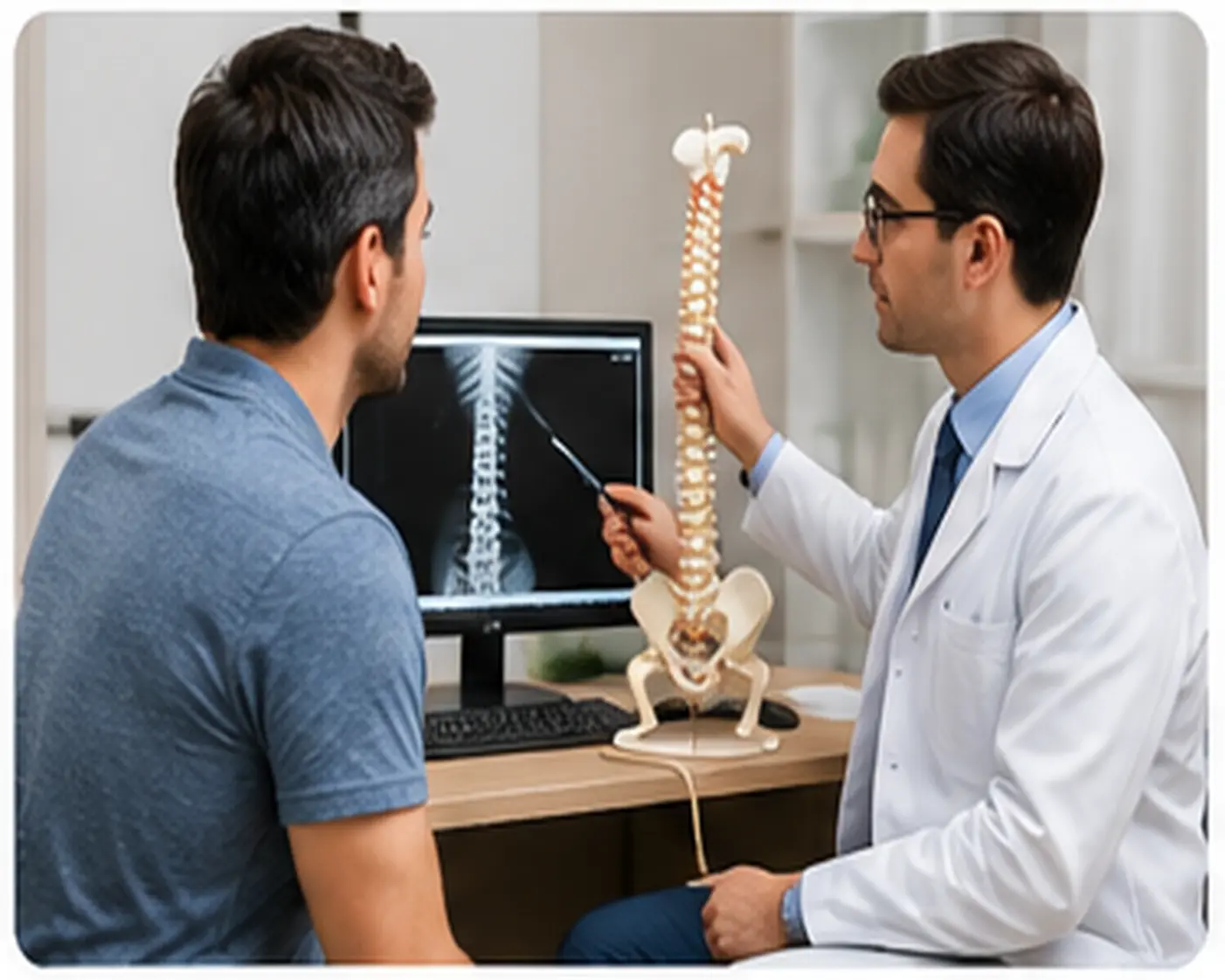
The first step in back pain treatment is a thorough consultation and diagnosis. A physiotherapist evaluates your symptoms, medical history, posture, and movement patterns to identify the underlying cause of pain and create a personalized treatment plan.
CONSULTATION & DIAGNOSIS

Pain relief focuses on reducing discomfort and inflammation through targeted therapies, manual techniques, heat or cold therapy, and guided exercises. This helps improve mobility and prepares the body for effective rehabilitation.
PAIN RELIEF
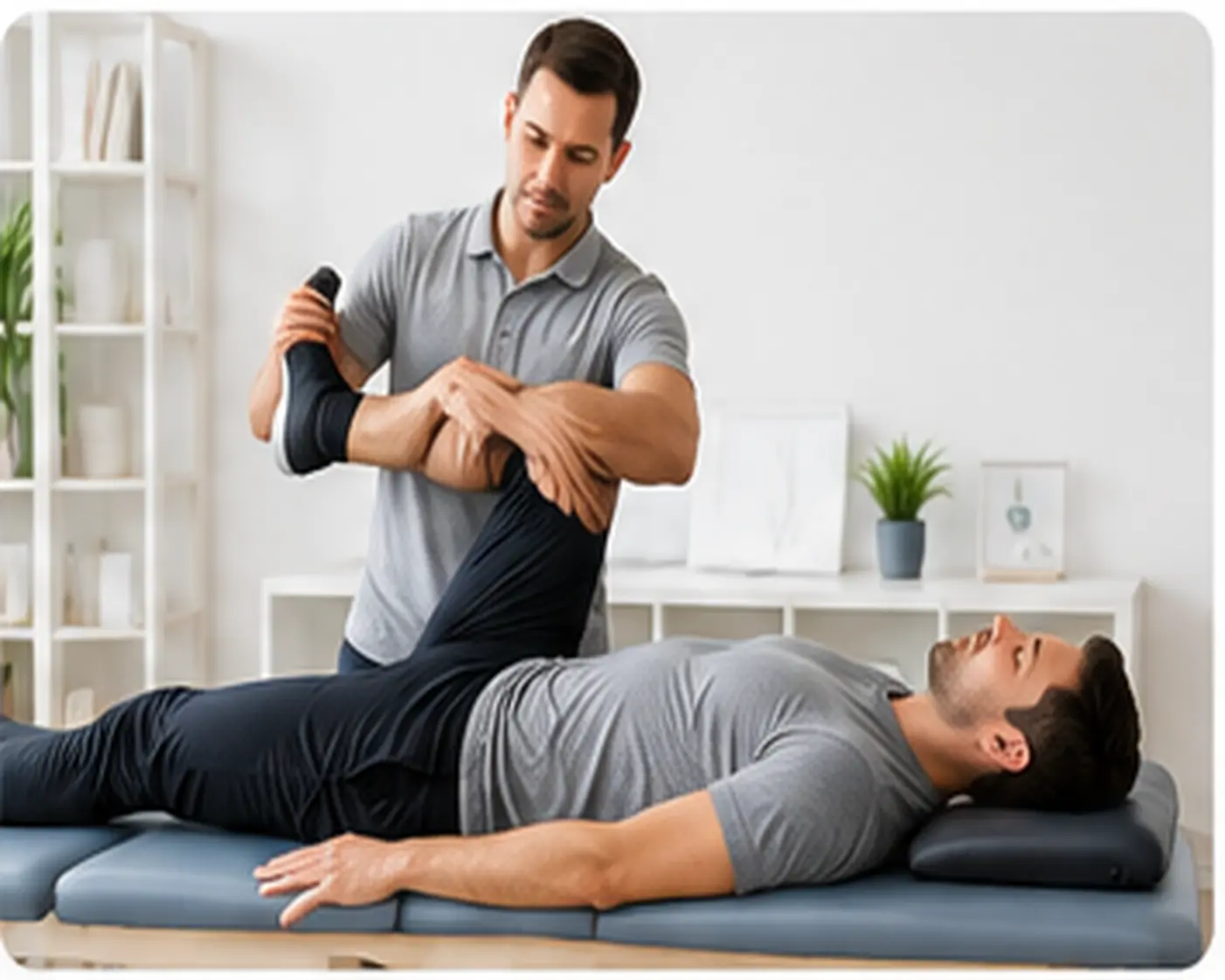
Physical therapy helps restore strength, flexibility, and mobility through personalized exercises and hands-on treatment techniques. It reduces pain, improves posture, and supports long-term recovery by addressing the root cause of back pain.
PHYSICAL THERAPY
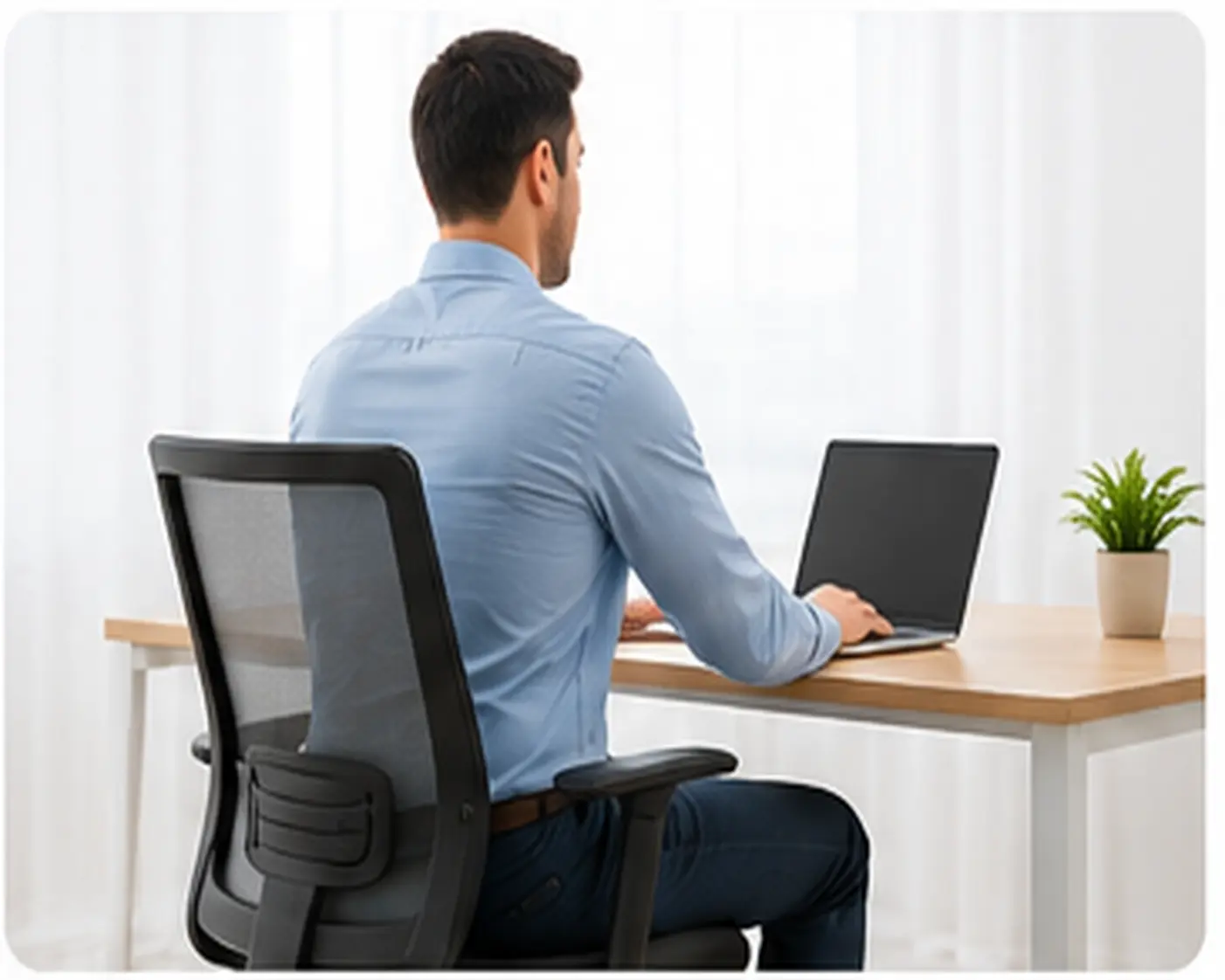
Posture correction focuses on improving body alignment during sitting, standing, and daily activities. Proper posture reduces stress on the spine, relieves back pain, prevents further injury, and promotes long-term musculoskeletal health.
POSTURE CORRECTION

Strengthening exercises focus on building the muscles that support the spine, core, and lower back. These targeted exercises improve stability, enhance flexibility, reduce pain, and help prevent future back injuries.
STRENGTHENING EXERCISES

Advanced therapies use specialized treatment techniques such as electrotherapy, dry needling, ultrasound therapy, shockwave therapy, and other modern rehabilitation methods to reduce pain, accelerate healing, and improve overall function and mobility.
ADVANCED THERAPIES

Lifestyle and stress management focus on healthy habits, proper ergonomics, regular physical activity, and stress-reduction techniques. These strategies help reduce muscle tension, prevent recurring back pain, and support overall physical and mental well-being.
LIFESTYLE & STRESS MANAGEMENT

Return to activity is the final stage of recovery, where patients gradually resume their daily routines, work, sports, and recreational activities. A guided rehabilitation program ensures a safe return while maintaining strength, flexibility, and long-term spinal health.
RETURN TO ACTIVITY
Understanding Back Pain and Its Causes
Many individuals are affected by back pain, which can significantly impact their daily lives.
Another effective technique in physiotherapy is the use of ultrasound therapy, which helps reduce inflammation and promote healing in affected areas. Additionally, the integration of heat and cold therapy can provide immediate relief and support long-term recovery. Patients should also be aware of the role nutrition plays in recovery. Consuming anti-inflammatory foods, such as fatty fish rich in omega-3 fatty acids and incorporating plenty of fruits and vegetables, can enhance the healing process while also preventing future episodes of back pain.
Furthermore, maintaining an active lifestyle is crucial. Activities such as swimming, yoga, and pilates are excellent for back health, promoting flexibility and strength without putting too much strain on the spine. A comprehensive approach to physiotherapy should also consider mental health, as stress and anxiety can exacerbate the perception of pain. Techniques such as mindfulness and relaxation exercises can be integrated into therapy sessions, providing a holistic pathway to recovery.
Strategies for Preventing Back Pain
Preventing back pain is equally as important as treating it. Individuals should prioritize proper ergonomics in their workspaces, including the use of chairs that support the lower back and desks that promote good posture. Regular breaks during prolonged sitting can also mitigate the risk of discomfort. Furthermore, individuals should engage in regular physical activity, focusing on exercises that strengthen the core, as a strong core supports the spine and reduces strain. Stretching before and after workouts, as well as daily activities, can also enhance flexibility and prevent injuries.
Incorporating practices such as Pilates or Tai Chi can further enhance body awareness and promote proper alignment, which is key in preventing back pain. It’s also beneficial to pay attention to body mechanics during activities like lifting; bending at the knees and using the legs to lift heavy items can prevent unnecessary strain on the back. Additionally, developing a regular routine that includes both strength training and flexibility exercises can help maintain a balanced body, significantly lowering the risk of future back pain occurrences. Remember, a proactive approach to back health is essential for long-term well-being.
