

Hip Pain Physiotherapy in Gurugram

Identifying hip pain symptoms such as discomfort while walking, sitting, standing, or climbing stairs. Early recognition helps prevent further complications and supports timely treatment.
PAIN & SYMPTOM IDENTIFICATION

A comprehensive evaluation of hip mobility, posture, muscle strength, and movement patterns to determine the underlying cause of pain and create a personalized treatment plan.
PHYSIOTHERAPY ASSESSMENT
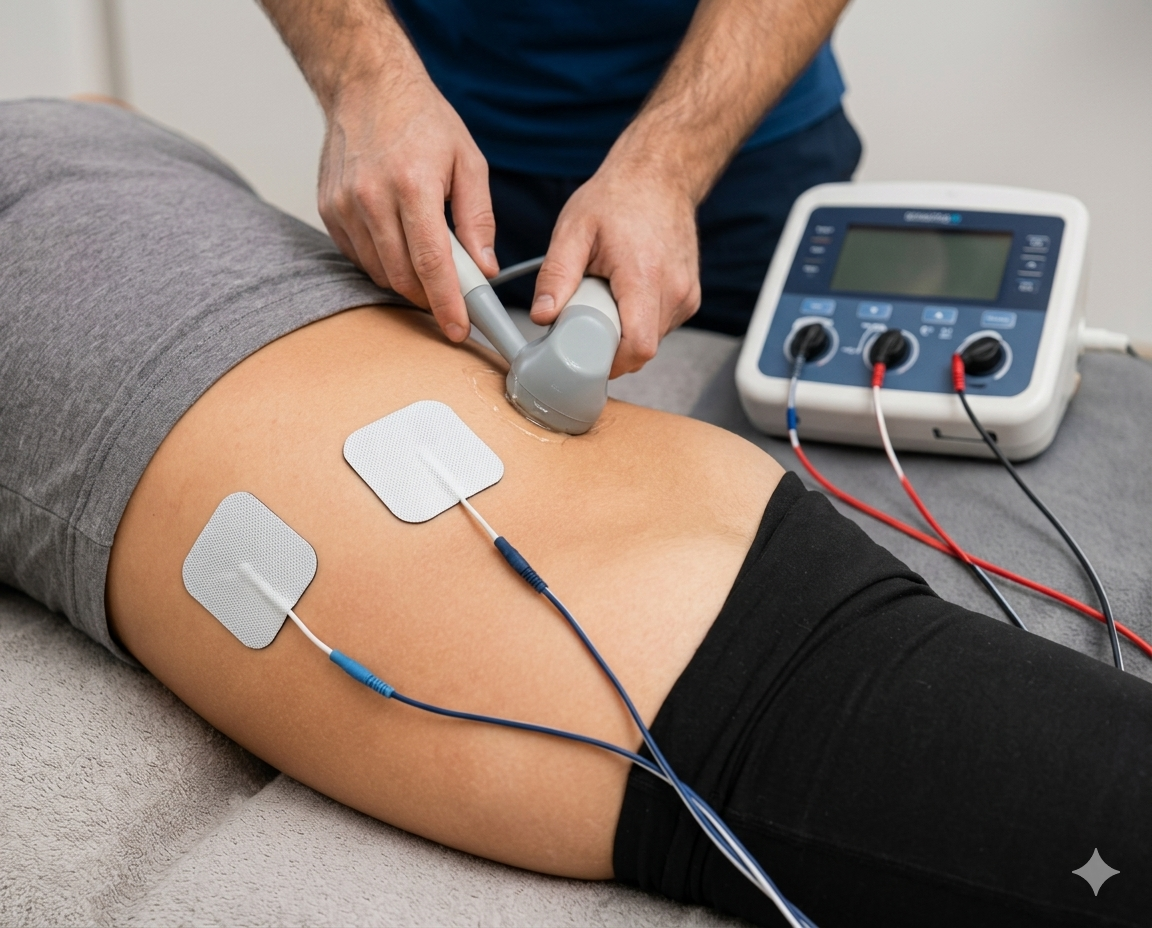
Advanced modalities such as electrotherapy, ultrasound therapy, and pain management techniques help reduce inflammation, relieve discomfort, and promote healing
PAIN RELIEF THERAPY
Ultrasound Therapy
Electrical Stimulation (TENS/IFT)
Inflammation reduction techniques.
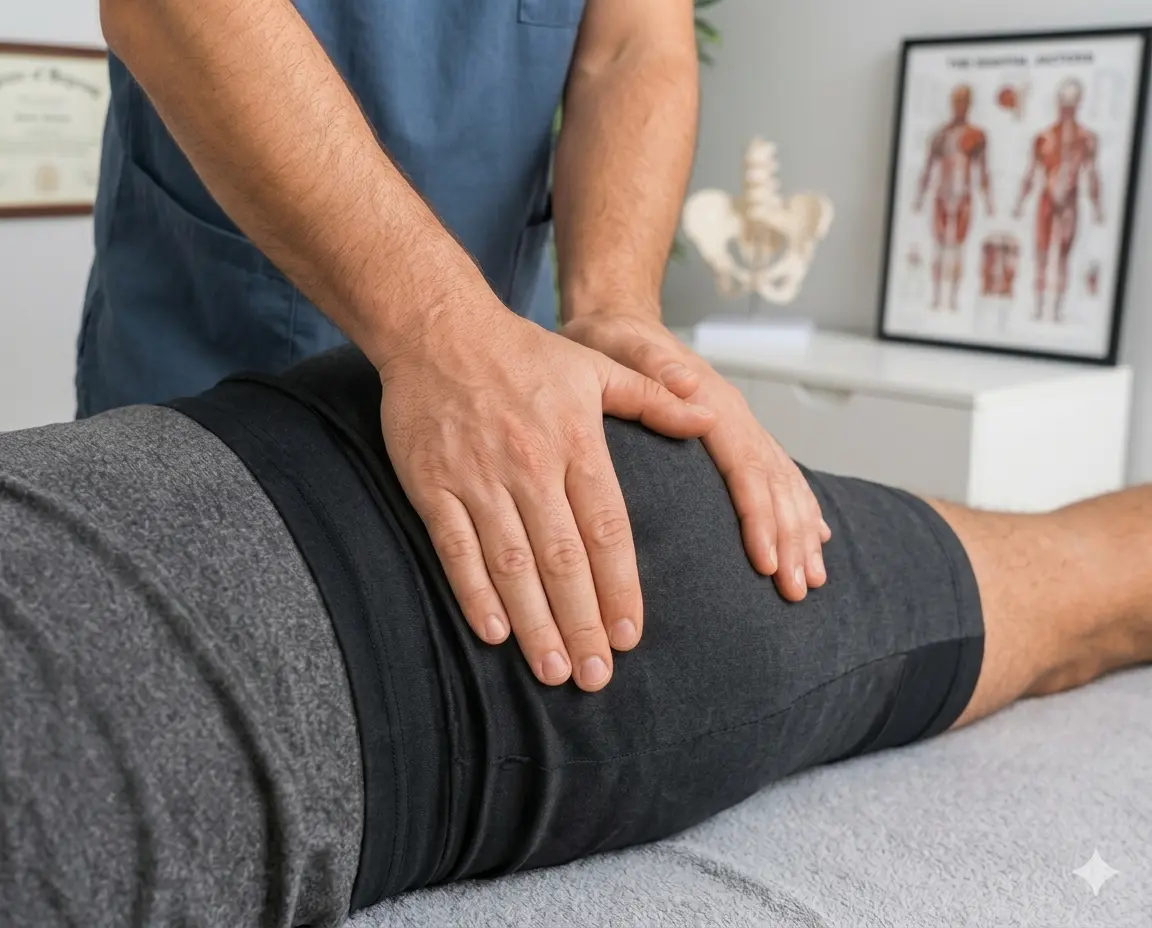
Hands-on therapy techniques target tight muscles and soft tissues around the hip, improving circulation, reducing tension, and enhancing mobility.
SOFT TISSUE RELEASE
Trigger point therapy
Improved blood circulation

Gentle stretching and mobility exercises improve hip flexibility, reduce stiffness, and restore a healthy range of motion.
HIP MOBILITY EXERCISES
Piriformis stretches.
Hamstring stretches

Targeted strengthening exercises for the glutes, hip stabilizers, and core muscles improve joint support, stability, and overall function.
HIP STRENGTHENING
Clamshell exercises
Side leg raises
Core strengthening
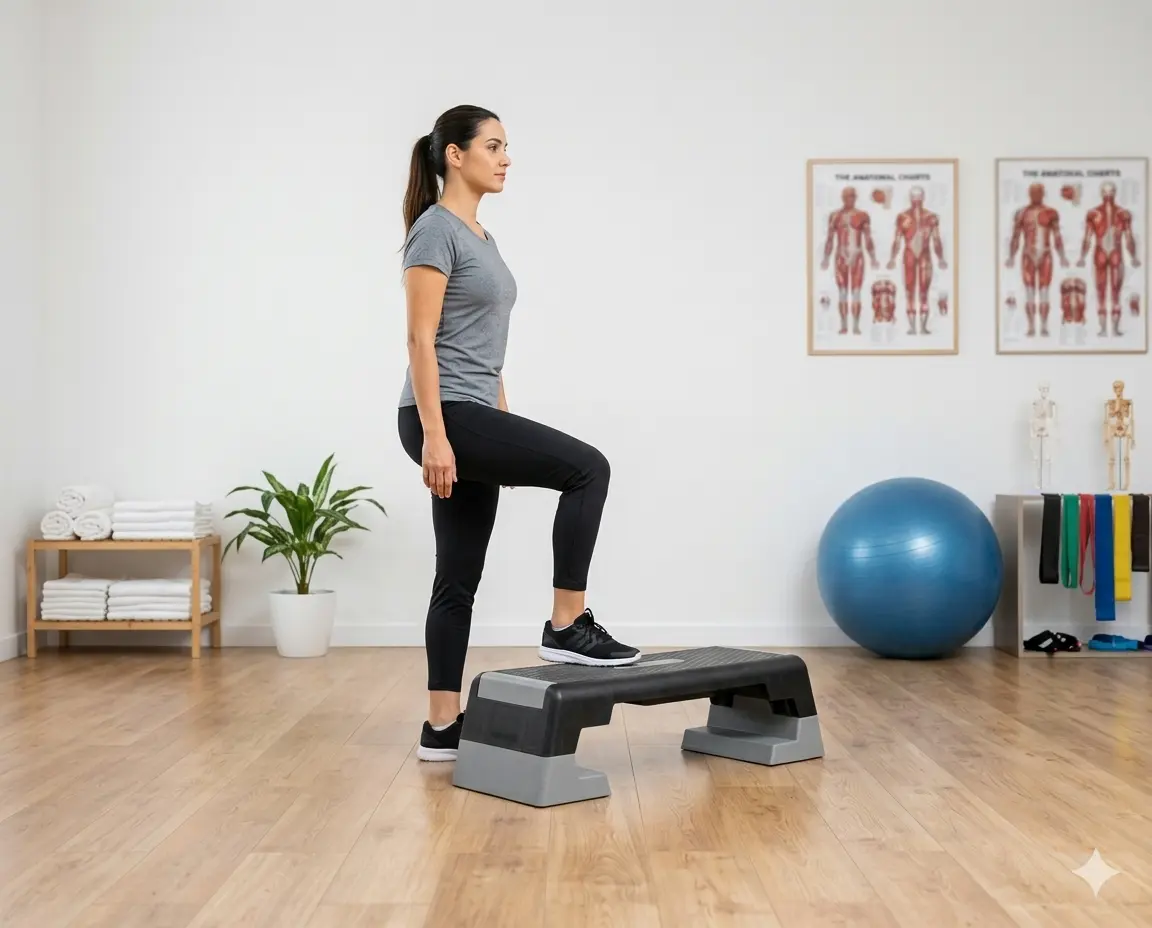
Movement-based training helps restore balance, coordination, and daily functional activities, enabling a safe return to normal routines.
FUNCTIONAL REHABILITATION
Stair climbing practice Return-to-sport exercises
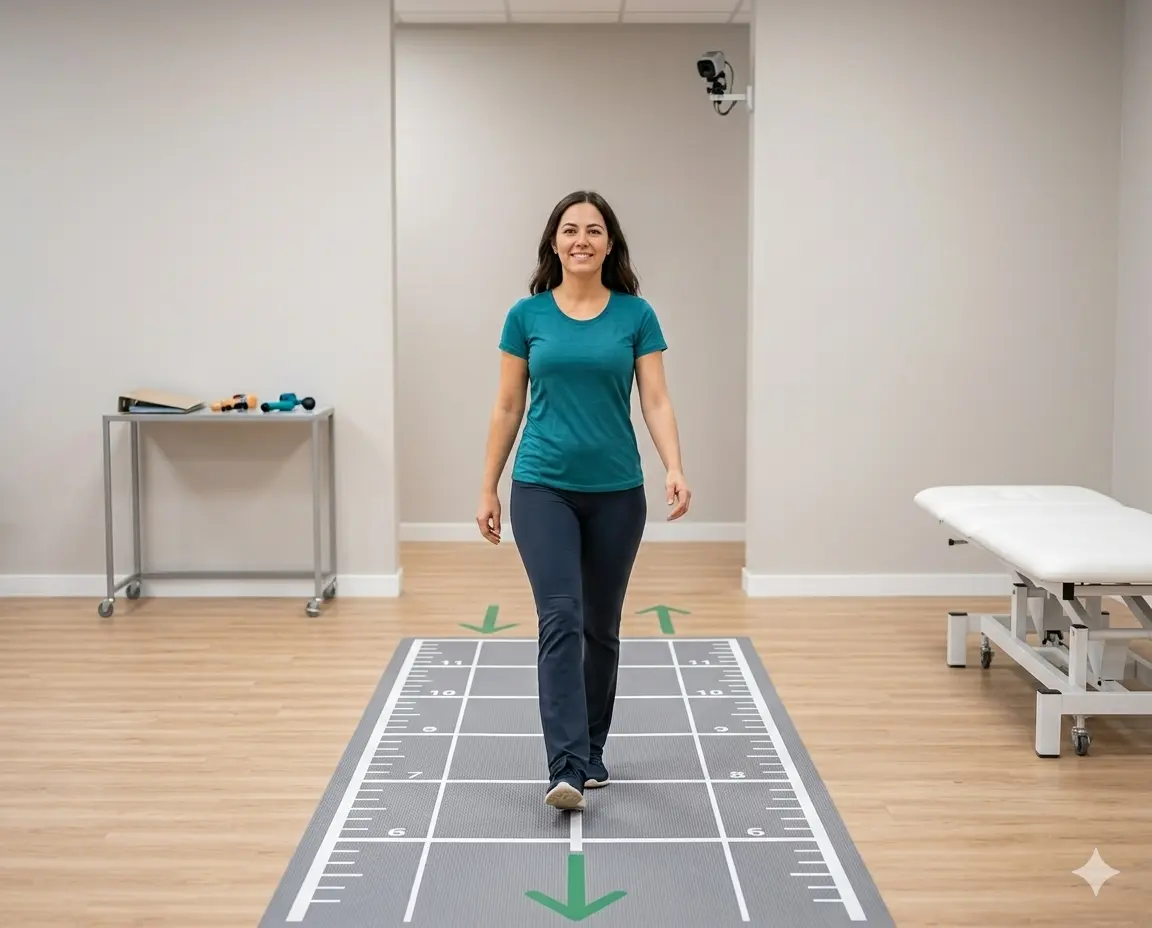
Long-term rehabilitation focuses on maintaining mobility, preventing recurrence, and supporting an active, pain-free lifestyle.
FULL RECOVERY & PREVENTION
Proper posture education Home exercise program.
Table of Contents
Hip Pain Physiotherapy in Gurugram
Hip pain can affect your ability to walk, climb stairs, exercise, sit comfortably, and perform everyday activities. The discomfort may develop gradually or occur suddenly after an injury. Stiffness, weakness, and restricted movement can also affect your quality of life.
At Revive Physio Clinics, we provide professional Hip Pain Physiotherapy in Gurugram to help patients manage pain, improve mobility, strengthen supporting muscles, and restore functional movement. Our physiotherapists perform a detailed assessment to understand your symptoms and create a personalised rehabilitation programme based on your individual needs.
What Causes Hip Pain?
Hip pain can occur for several reasons. The hip joint is involved in many daily movements, including walking, running, sitting, standing, and climbing stairs. Problems affecting the muscles, joints, tendons, or surrounding tissues can lead to pain and restricted movement.
Common causes of hip pain may include:
- Muscle strains and injuries
- Joint stiffness
- Sports-related injuries
- Overuse of the hip muscles
- Weak hip and core muscles
- Poor posture and movement patterns
- Tendon-related conditions
- Arthritis and age-related joint changes
- Pain referred from the lower back
- Reduced hip mobility
A proper physiotherapy assessment can help identify movement limitations and determine the most suitable treatment approach.
Common Symptoms of Hip Pain
Hip pain can feel different for each person. Some people experience sharp pain, while others may notice stiffness, weakness, or a constant ache around the hip area.
Common symptoms include:
- Pain while walking
- Difficulty climbing stairs
- Hip stiffness
- Reduced range of motion
- Pain while sitting or standing for long periods
- Discomfort while sleeping
- Weakness around the hip
- Difficulty exercising
- Pain during daily activities
- Tightness around the hip and thigh
If your symptoms continue or affect your daily routine, seeking professional Hip Pain Physiotherapy in Gurugram can help you understand the problem and begin appropriate rehabilitation.
How Does Hip Pain Physiotherapy Help?
Hip Pain Physiotherapy in Gurugram focuses on improving movement, strength, flexibility, and overall function. The treatment programme is designed according to the cause of your pain, your physical condition, and your individual rehabilitation goals.
Our approach to Hip Pain Physiotherapy in Gurugram may include several treatment techniques to support recovery and improve daily movement.
1. Detailed Assessment
The first step is understanding your condition. Your physiotherapist may assess your hip movement, posture, muscle strength, walking pattern, flexibility, and functional limitations.
This helps create a personalised treatment plan based on your specific needs.
2. Pain Management
Appropriate physiotherapy techniques can help manage discomfort and make movement more comfortable. The treatment approach depends on your symptoms and the underlying cause of your hip pain.
3. Manual Therapy
Manual therapy techniques may be used to improve joint mobility and reduce stiffness. These techniques can support better movement when combined with appropriate therapeutic exercises.
4. Mobility and Stretching Exercises
Reduced hip mobility can affect walking and other everyday activities. Specific mobility and stretching exercises may help improve flexibility and movement around the hip joint.
Your physiotherapist can recommend exercises that are suitable for your individual condition.
5. Strengthening Exercises
Strong hip muscles are important for stability and movement. A physiotherapy programme may include exercises to strengthen the hip, thigh, gluteal, and core muscles.
Improving muscle strength can help support the hip during everyday activities and physical exercise.
6. Functional Rehabilitation
Functional rehabilitation focuses on improving movements used in daily life. This may include training for walking, climbing stairs, sitting, standing, and returning to regular activities.
The goal is to help you move with greater confidence and comfort.
Why Choose Hip Pain Physiotherapy in Gurugram?
Every person’s hip pain is different. A personalised Hip Pain Physiotherapy in Gurugram programme allows treatment to focus on your specific symptoms, movement limitations, and recovery goals.
At Revive Physio Clinics, our rehabilitation approach focuses on:
- Personalised physiotherapy assessment
- Understanding the cause of movement limitations
- Improving hip mobility
- Managing pain and stiffness
- Strengthening supporting muscles
- Improving functional movement
- Guided therapeutic exercises
- Personalised home exercise programmes
Our goal is to help patients improve movement and return to their regular activities safely and confidently.
When Should You Consult a Physiotherapist for Hip Pain?
You should consider a physiotherapy assessment if hip pain continues for several days, becomes worse, or affects your ability to perform normal activities.
Professional guidance may be helpful if you experience:
- Persistent hip pain
- Increasing stiffness
- Difficulty walking
- Reduced hip movement
- Pain while exercising
- Difficulty climbing stairs
- Weakness around the hip
Early assessment can help identify movement problems and provide guidance on the most appropriate rehabilitation approach.
