

Restore Strength & Stability to Your Ankle
Recover from ankle sprains with expert physiotherapy treatments designed to reduce pain, improve mobility, strengthen the joint, and help you return to your active lifestyle safely. Managing an ankle sprain effectively is crucial for a quick recovery.
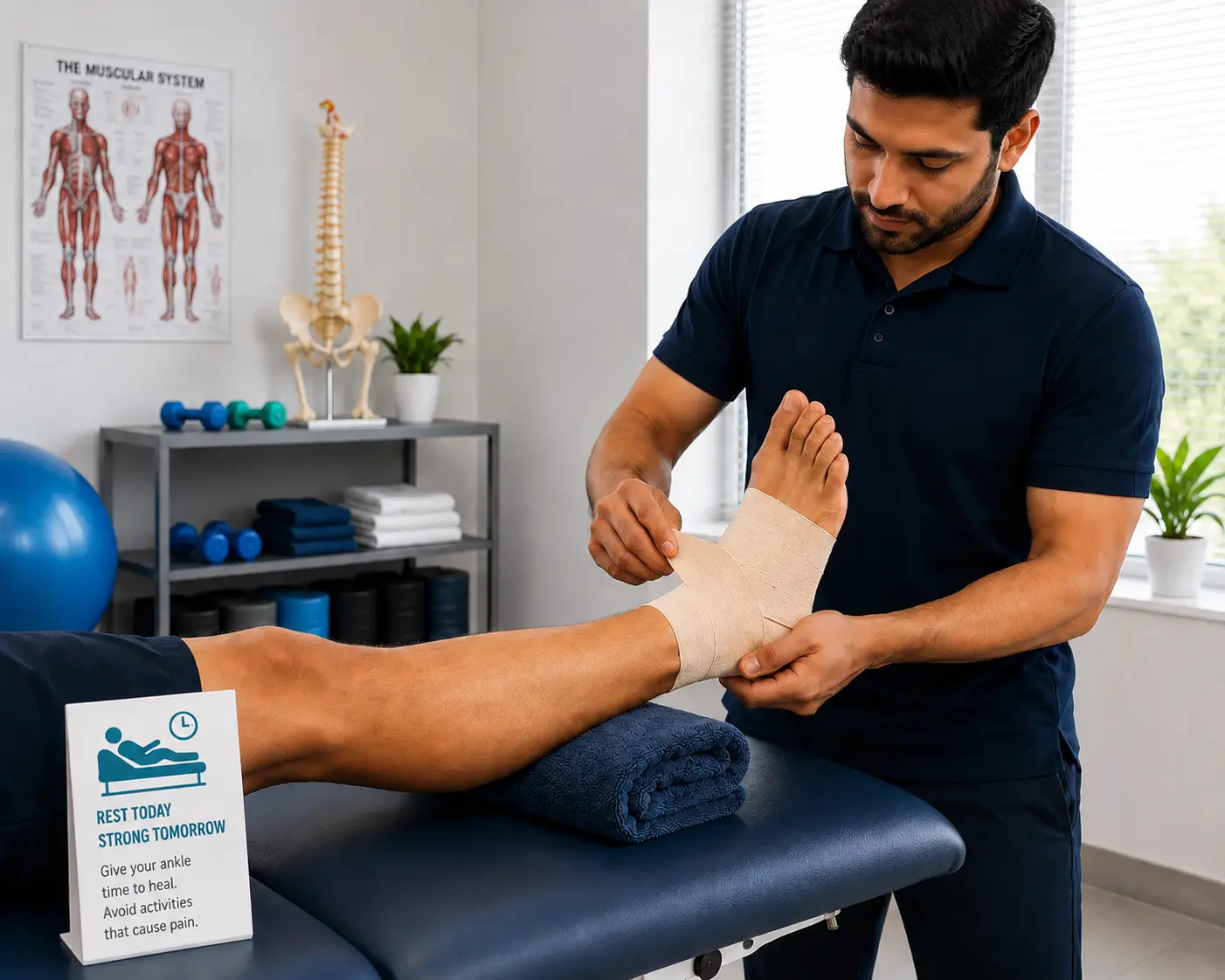
Rest allows the injured ankle to heal by avoiding activities that cause pain or strain. It helps reduce swelling, prevents further injury, and supports faster recovery.
REST
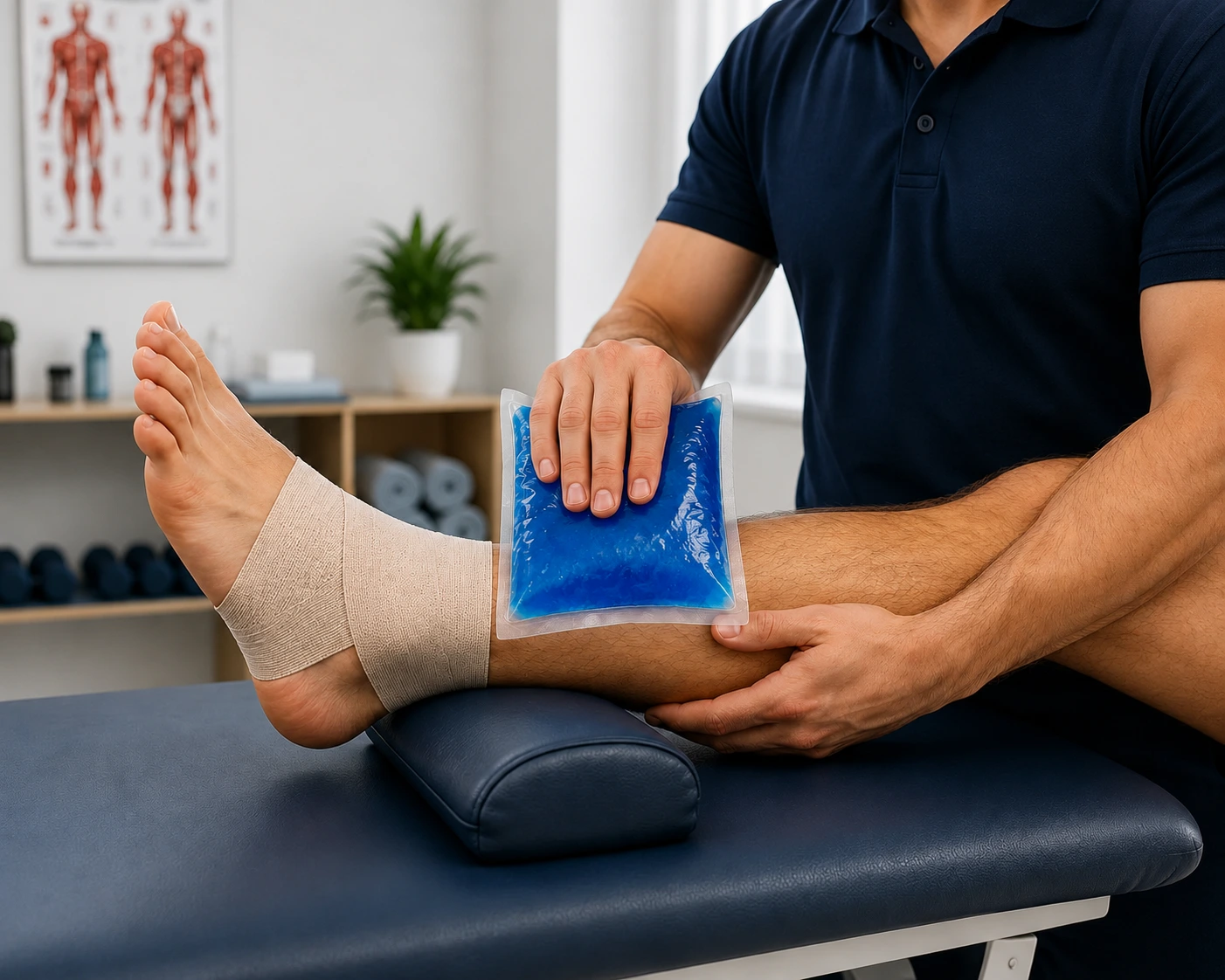
Applying ice to the injured ankle helps reduce pain, swelling, and inflammation. It provides relief during the early stages of recovery and promotes faster healing.
ICE
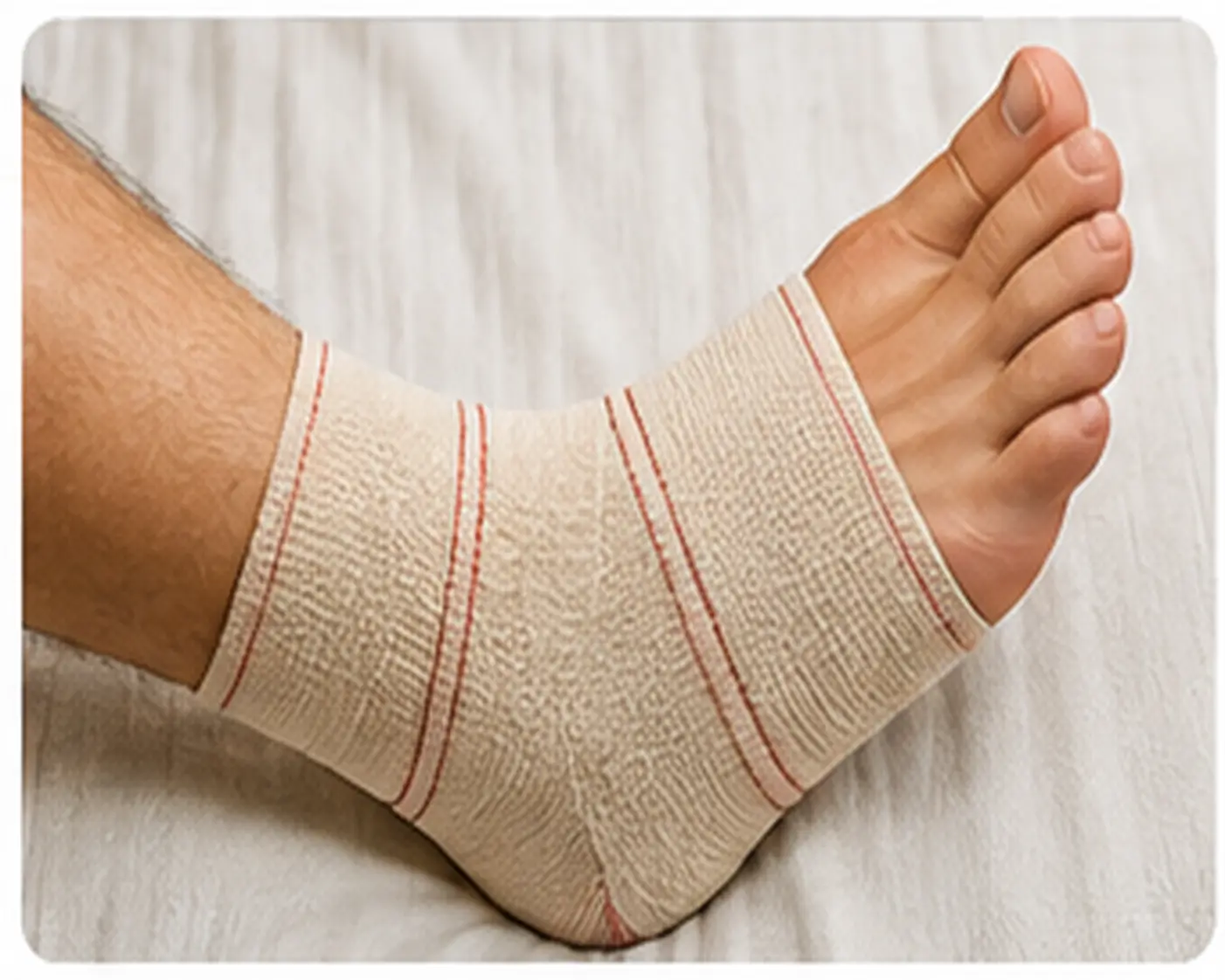
Using a compression bandage helps reduce swelling, provides support to the injured ankle, and improves stability during the healing process.
COMPRESSION
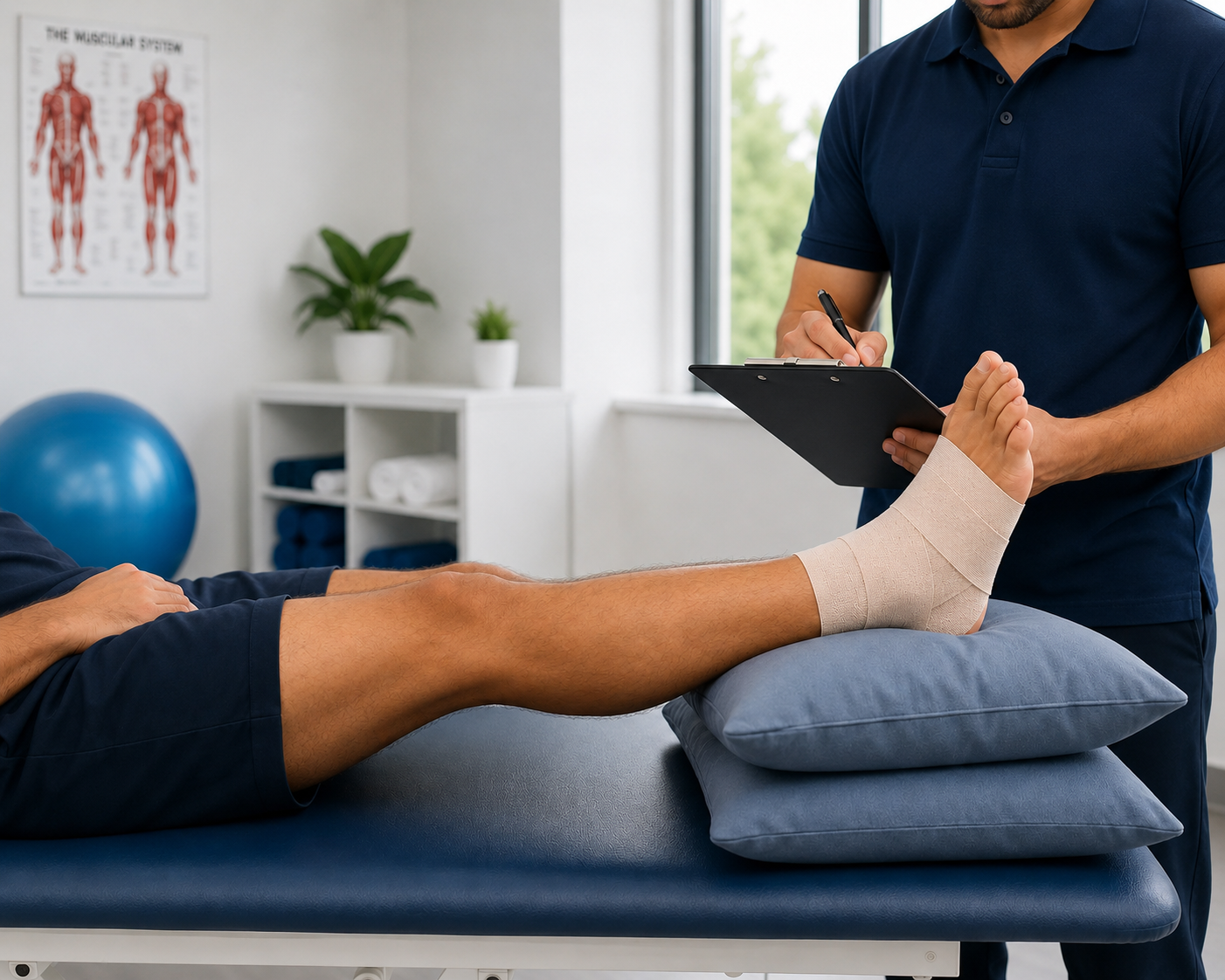
Keeping the ankle raised above heart level helps reduce swelling, improve blood circulation, and speed up the healing process.
ELEVATION
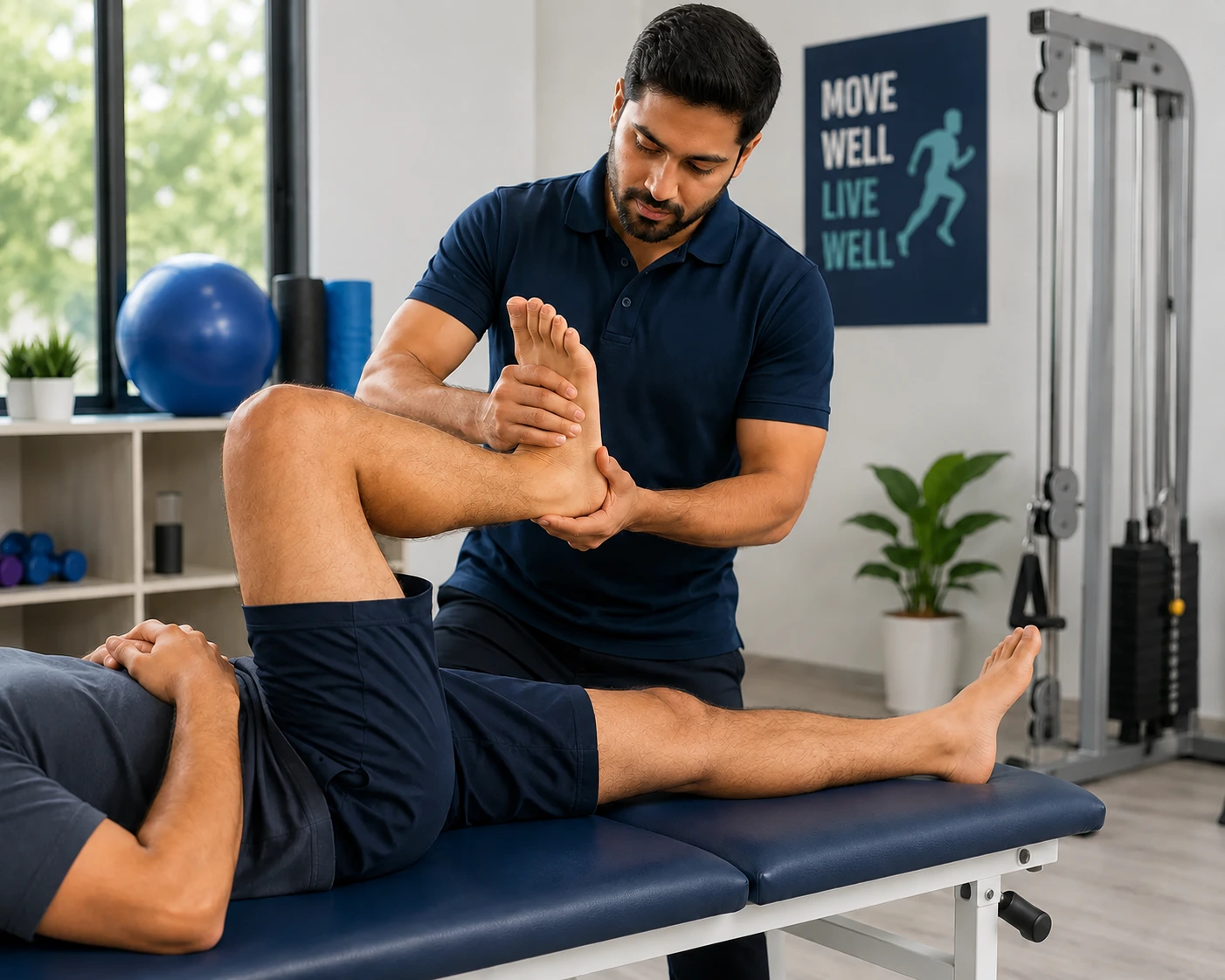
Physical therapy helps restore ankle strength, flexibility, and mobility through targeted exercises and hands-on treatment, supporting a safe and effective recovery.
PHYSICAL THERAPY
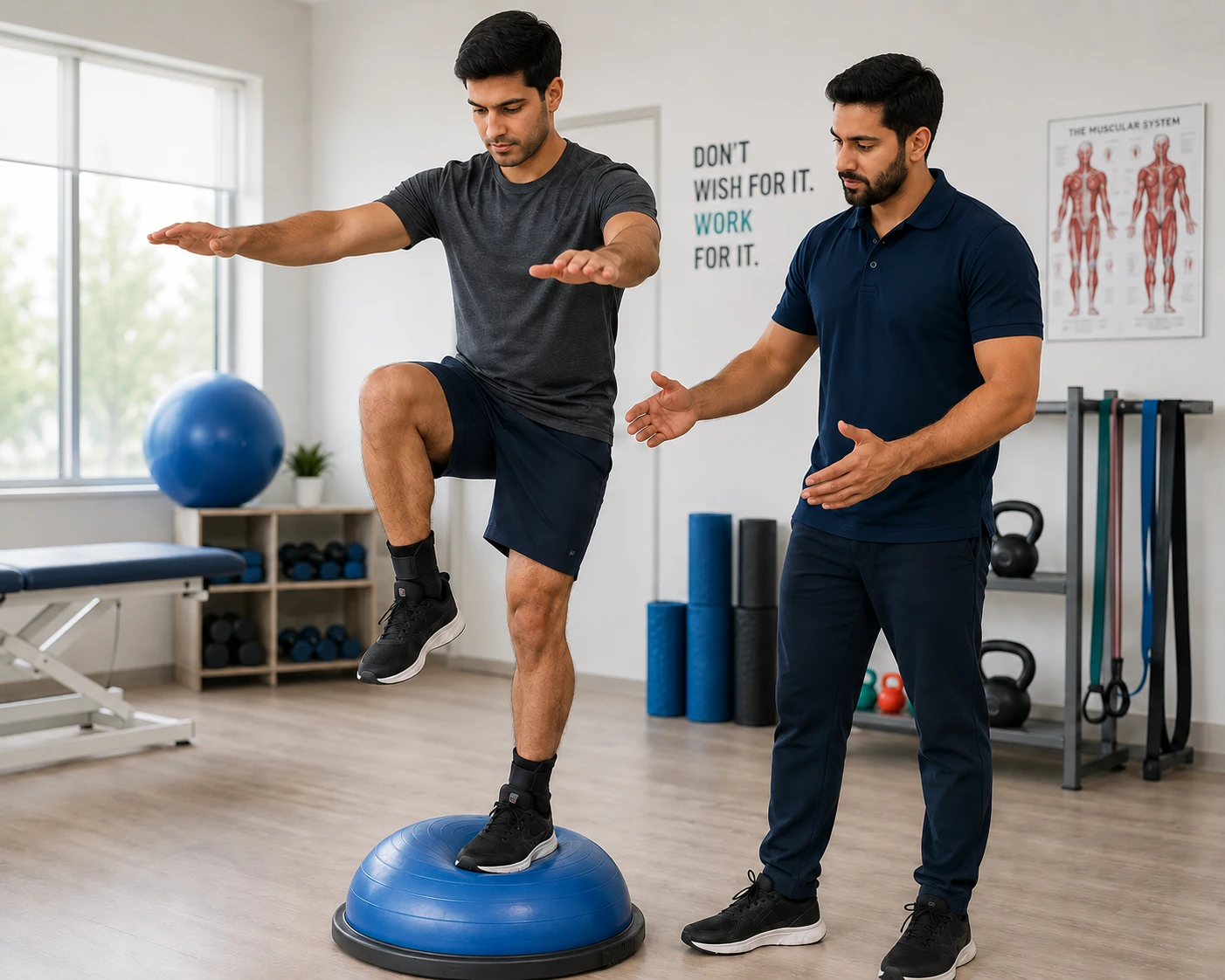
Strengthening exercises and balance training help improve ankle stability, restore function, and reduce the risk of future sprains.
STRENGTH & BALANCE TRAINING
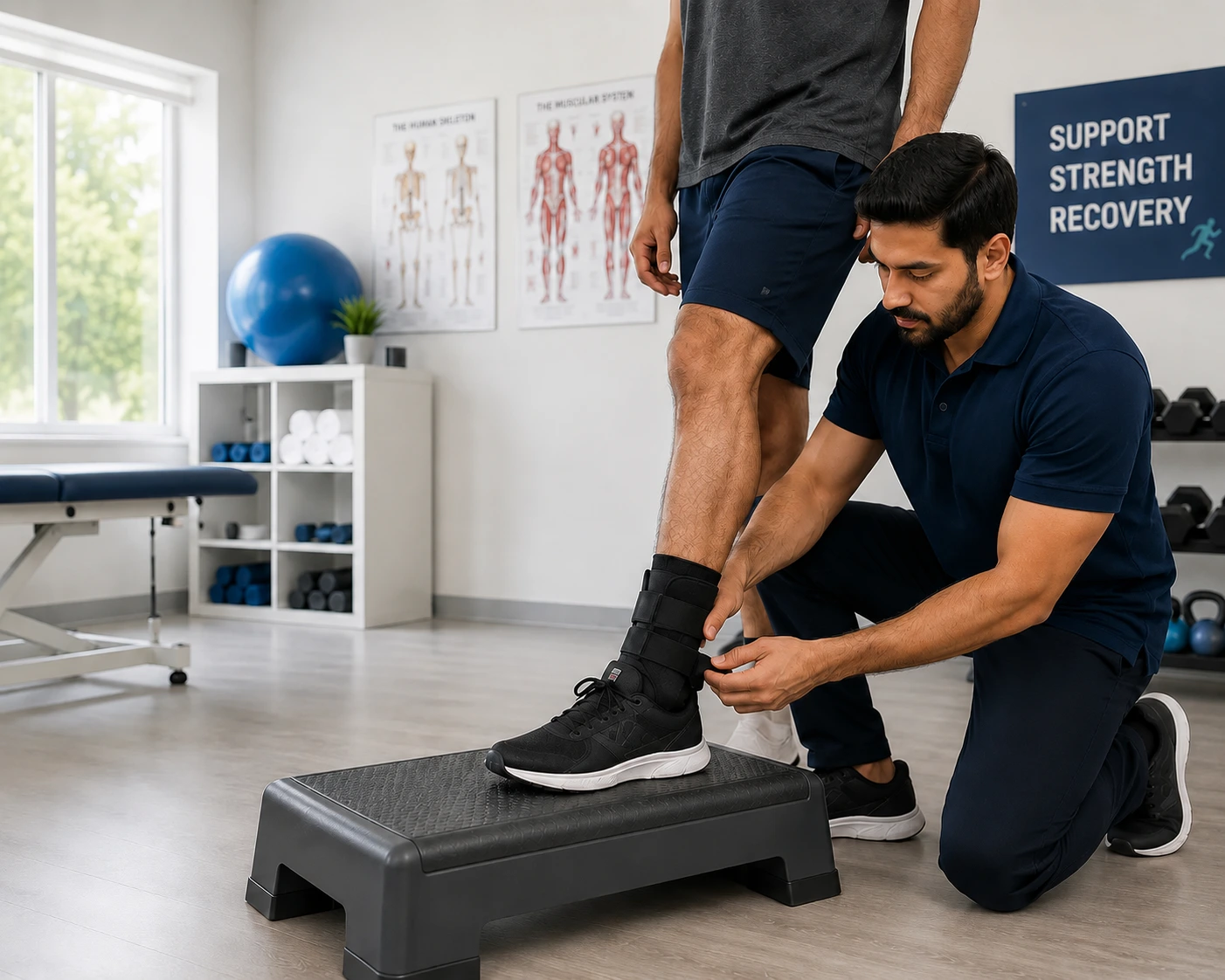
Support & Bracing: Ankle braces and support devices help stabilize the joint, protect it from further injury, and provide comfort during recovery and daily activities.
SUPPORT & BRACING
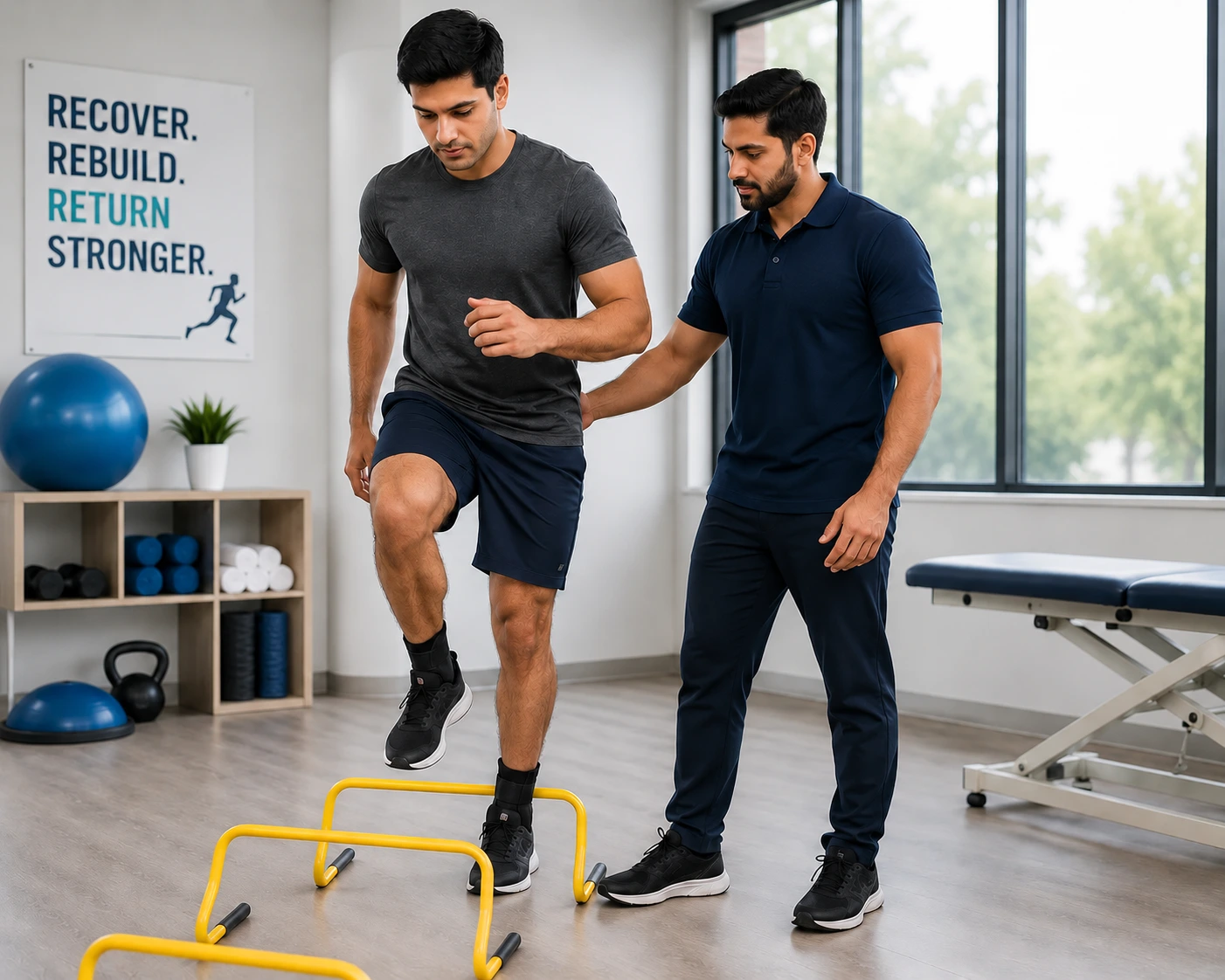
Gradually return to daily activities and sports as pain decreases and ankle strength improves, ensuring a safe and complete recovery.
RETURN TO ACTIVITY
Understanding Ankle Sprain Recovery
It is important to understand the symptoms that accompany an ankle sprain, as early detection can lead to better outcomes. In this guide, we will explore best practices for dealing with a sprain, including rehabilitation exercises and preventive measures. Whether you are an athlete or a casual walker, knowing how to treat a sprain can help you recover faster. Consulting with a physiotherapist can provide personalized strategies to manage effectively.
Ultimately, knowing how to prevent a sprain is just as important as learning how to treat one. Implementing proper techniques is essential for all levels of activity. Understanding the nature of a sprain can empower you to take the right steps in your rehabilitation journey. By following these guidelines, you can effectively manage your recovery from a sprain. Always consult with a professional for advice on how to avoid injuries in the future.
Implementing proper techniques is essential for all levels of activity. Understanding the nature of a sprain can empower you to take the right steps in your rehabilitation journey. By following these guidelines, you can effectively manage your recovery from a sprain. Always consult with a professional for advice on how to avoid injuries in the future. In addition, understanding the common risks associated with a sprain can help you take preventive measures.
Learning about how to deal with a sprain can make a significant difference in your recovery speed. Moreover, being proactive in understanding a sprain will aid your long-term joint health. By incorporating strategies to effectively manage a sprain, individuals can enhance their recovery process.
In Gurugram, it’s essential to seek the right physiotherapy treatments tailored specifically for your condition. For instance, many clinics offer a combination of manual therapy, electrotherapy, and specific exercises aimed at enhancing the healing process. Understanding the underlying cause of a sprain can significantly improve your treatment plan. Physiotherapists often emphasize the importance of individualized care, which can include detailed assessments of your movement patterns.
Recovery from a sprain is a multifaceted journey that varies from person to person. For example, a professional athlete may require a different rehabilitation strategy compared to someone with a sedentary lifestyle. Early stages of recovery often involve rest and ice application. However, as healing progresses, strength and mobility exercises become crucial. It is beneficial to maintain a dialogue with your physiotherapist to adjust your recovery plan as needed.
Common symptoms of a sprain include swelling, bruising, and limited range of motion. Recognizing these symptoms early can lead to timely interventions, such as ice therapy and compression techniques to manage swelling. Additionally, understanding the grading system of sprains—grade 1 being mild and grade 3 being severe—can help determine the appropriate treatment plan. Resources like physiotherapy clinics in Gurugram often provide educational materials to help patients recognize these symptoms effectively.
Preventing future sprains involves strengthening the muscles around the joint and improving balance. Exercises such as heel raises, ankle circles, and resistance band workouts can significantly alleviate the risk of re-injury. Additionally, wearing suitable footwear that provides adequate support during activities is crucial. Engaging in pre-activity warm-up routines can also enhance joint stability and flexibility.
To further support your rehabilitation, consider incorporating nutrition that promotes healing. Proteins, vitamins C and D, and omega-3 fatty acids play a vital role in tissue repair. Consulting with a nutritionist can help you create a balanced diet that supports your recovery goals. Staying hydrated is equally important, as proper hydration aids in digestion and nutrient absorption, further contributing to the healing process.
Engaging in supportive therapies such as acupuncture or massage can also enhance your recovery journey. These therapies can alleviate pain and improve circulation around the injured area. It’s always advisable to discuss these options with your physiotherapist to ensure they align with your overall treatment plan. Additionally, maintaining a positive mindset and focusing on gradual progress can significantly impact your recovery experience.
Finally, it’s vital to educate yourself about mechanics and how they relate to injuries. Understanding your body’s mechanics can empower you to make more informed choices during rehabilitation and physical activities. Workshops or seminars on injury prevention can be invaluable resources for learning more about proper techniques and strategies to keep your joints healthy and strong. Recognizing the effects of a sprain on your daily activities is essential.
Being proactive about a sprain can lead to better management and recovery.
Always remember that a sprain can affect individuals differently.
It’s important to stay informed about the best practices for a sprain. Proper care and attention are key when dealing with a sprain.
The right approach to a sprain can significantly impact your recovery. Stay proactive in learning about a sprain to ensure a smoother recovery process.
I
