

Restore Your Neck Health & Mobility
Find lasting relief from Cervical Spondylosis Physiotherapy in Gurugram with expert physiotherapy treatments designed to reduce neck pain, improve mobility, relieve nerve compression, and strengthen supporting muscles.
Cervical Spondylosis Physiotherapy in Gurugram
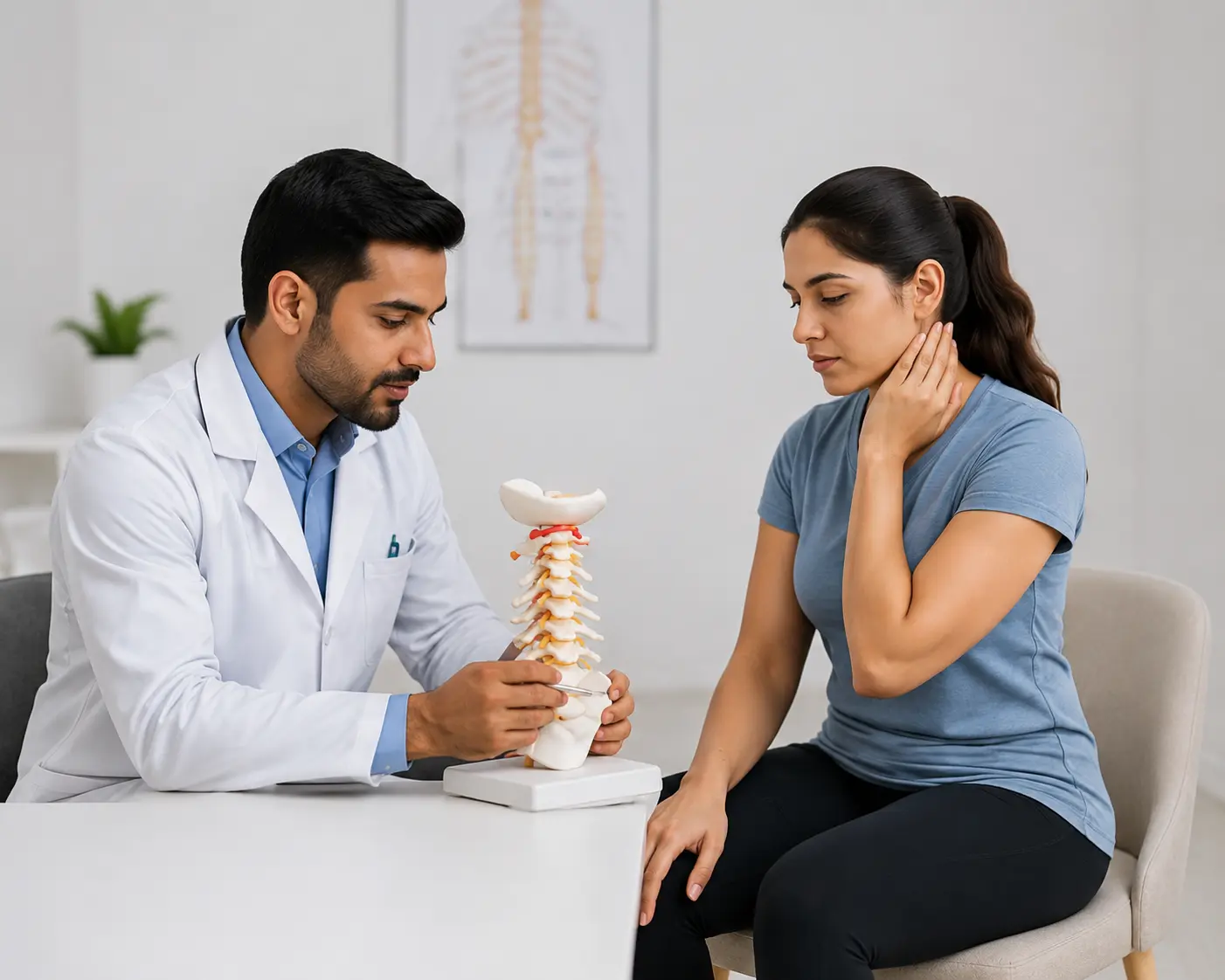
Detailed evaluation of neck pain, posture, mobility, and nerve symptoms to create a personalized treatment plan.
ASSESSMENT & EVALUATION
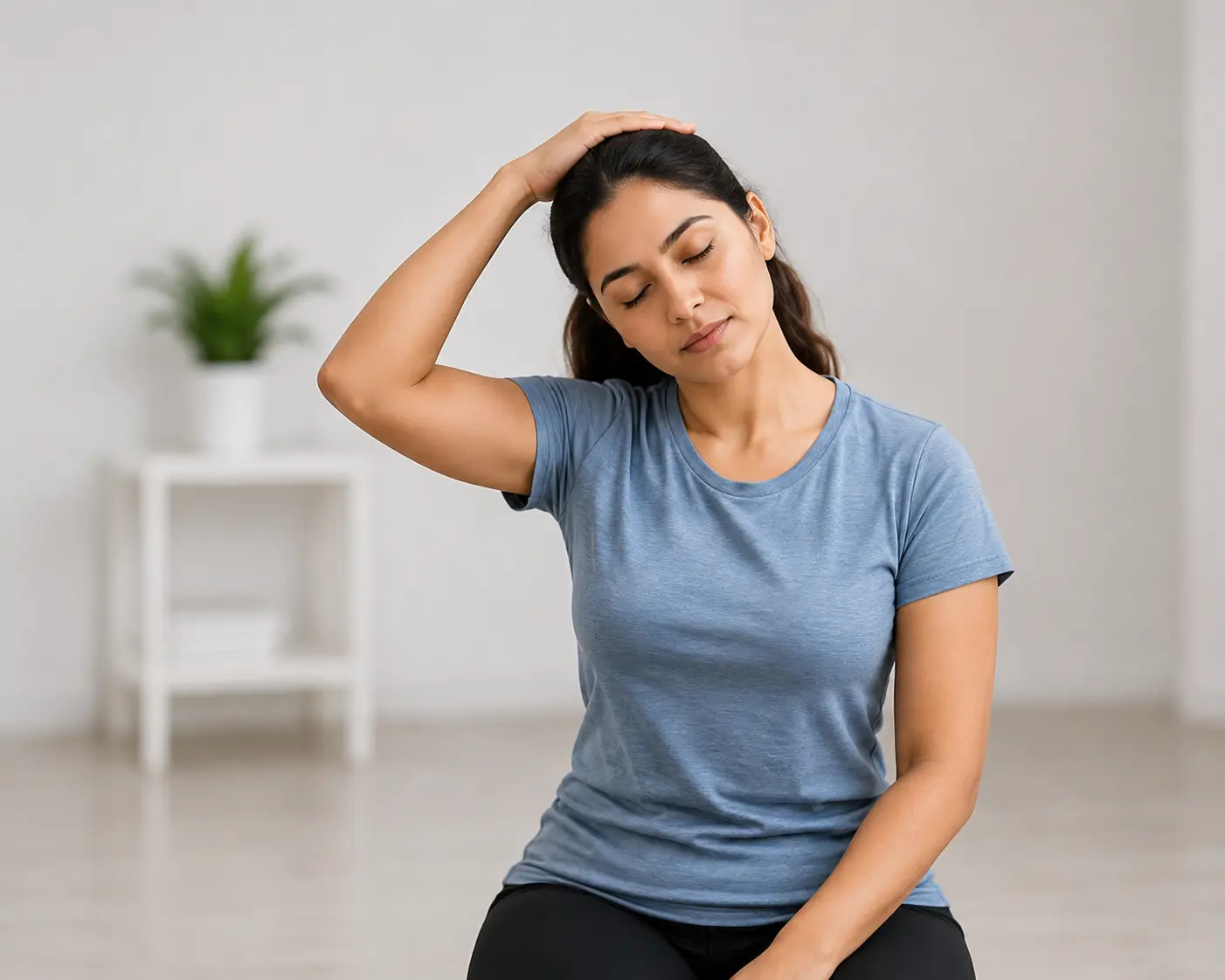
Gentle stretching exercises help improve neck flexibility, reduce muscle tightness, relieve stiffness, and enhance overall neck mobility.
NECK STRETCHING EXERCISES
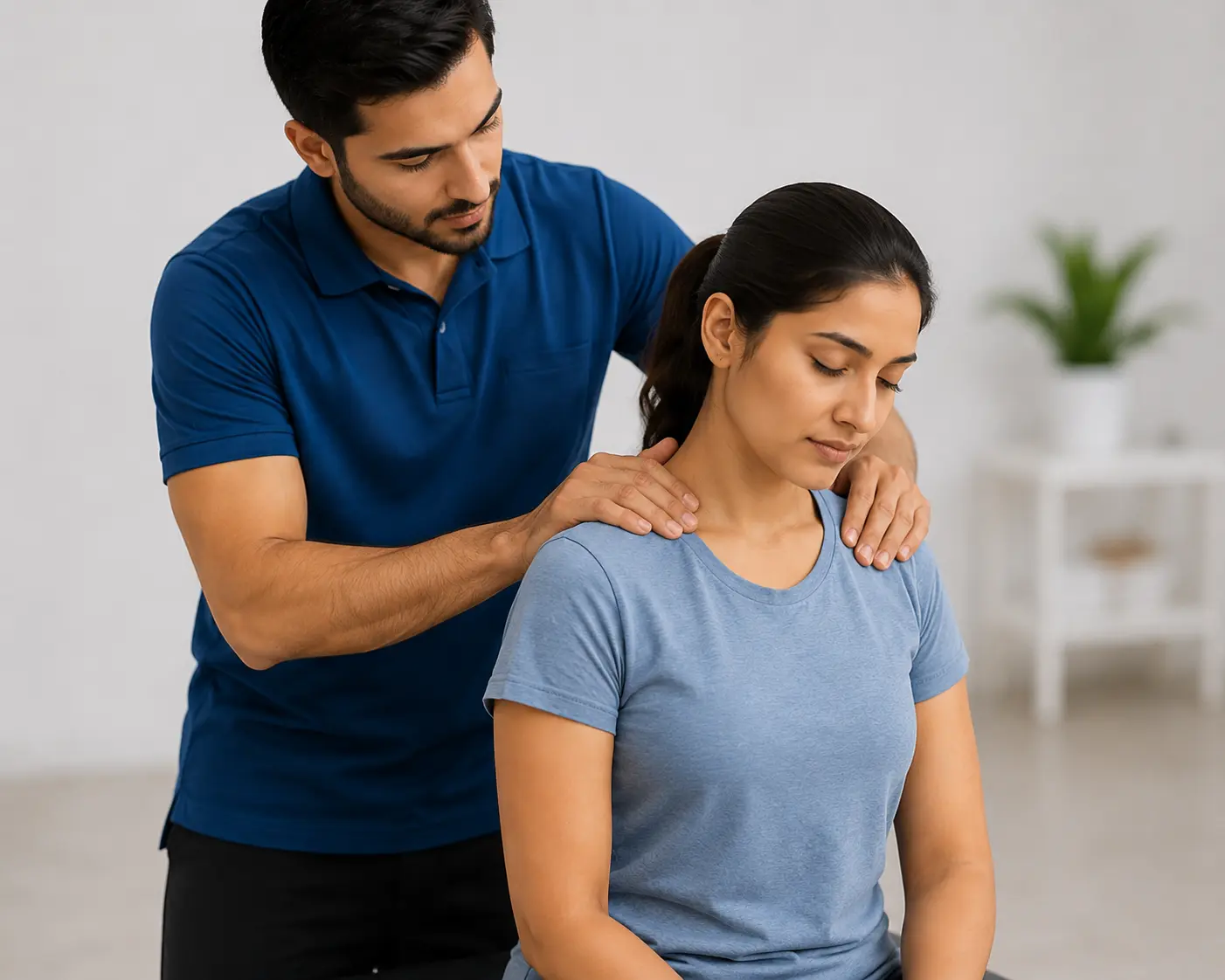
Hands-on techniques are used to reduce pain, relieve muscle tension, improve joint mobility, and restore normal neck movement.
MANUAL THERAPY
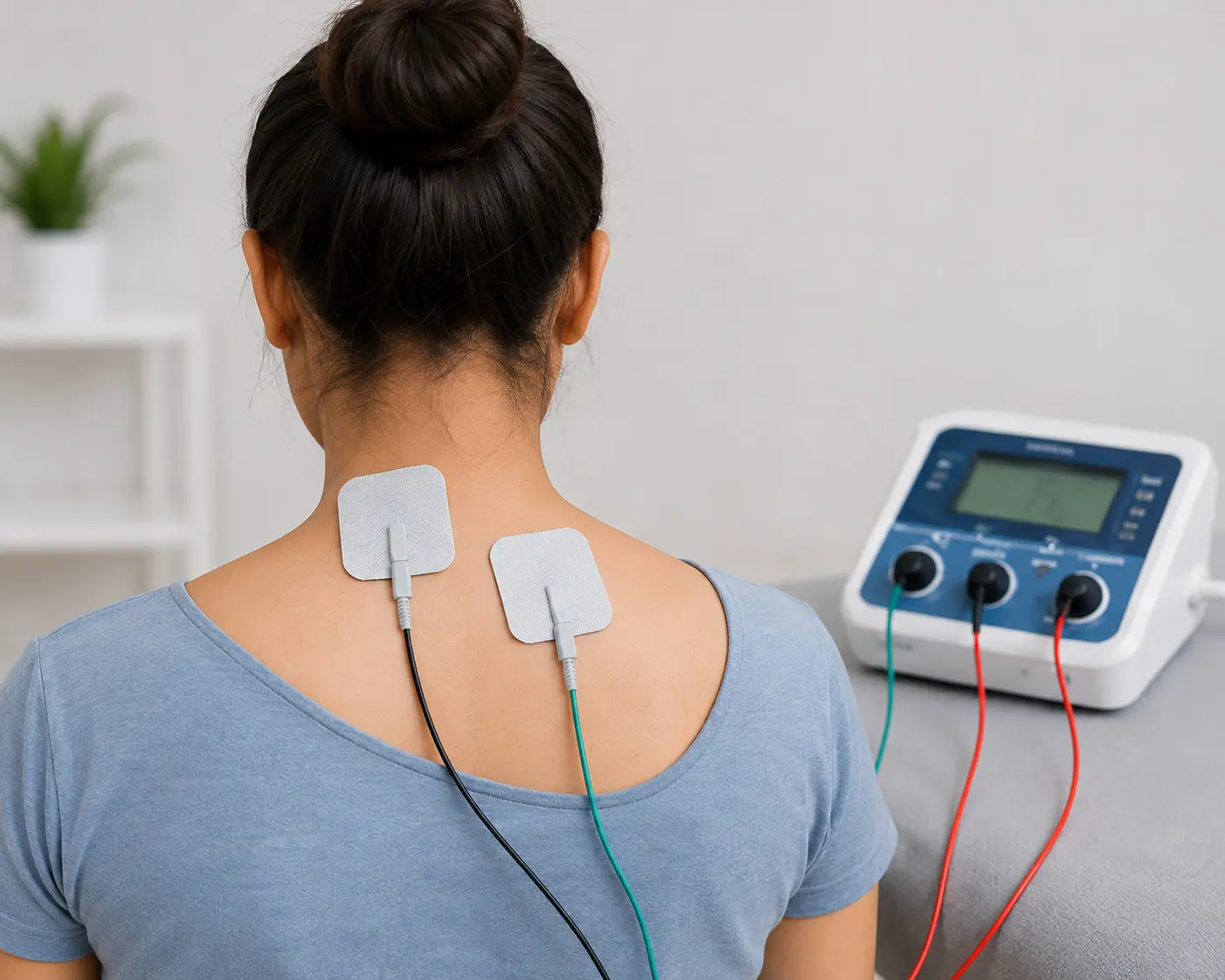
Therapeutic modalities such as heat therapy, ultrasound, and electrical stimulation help reduce pain, muscle spasm, and inflammation while promoting healing.
MODALITIES (PAIN RELIEF)
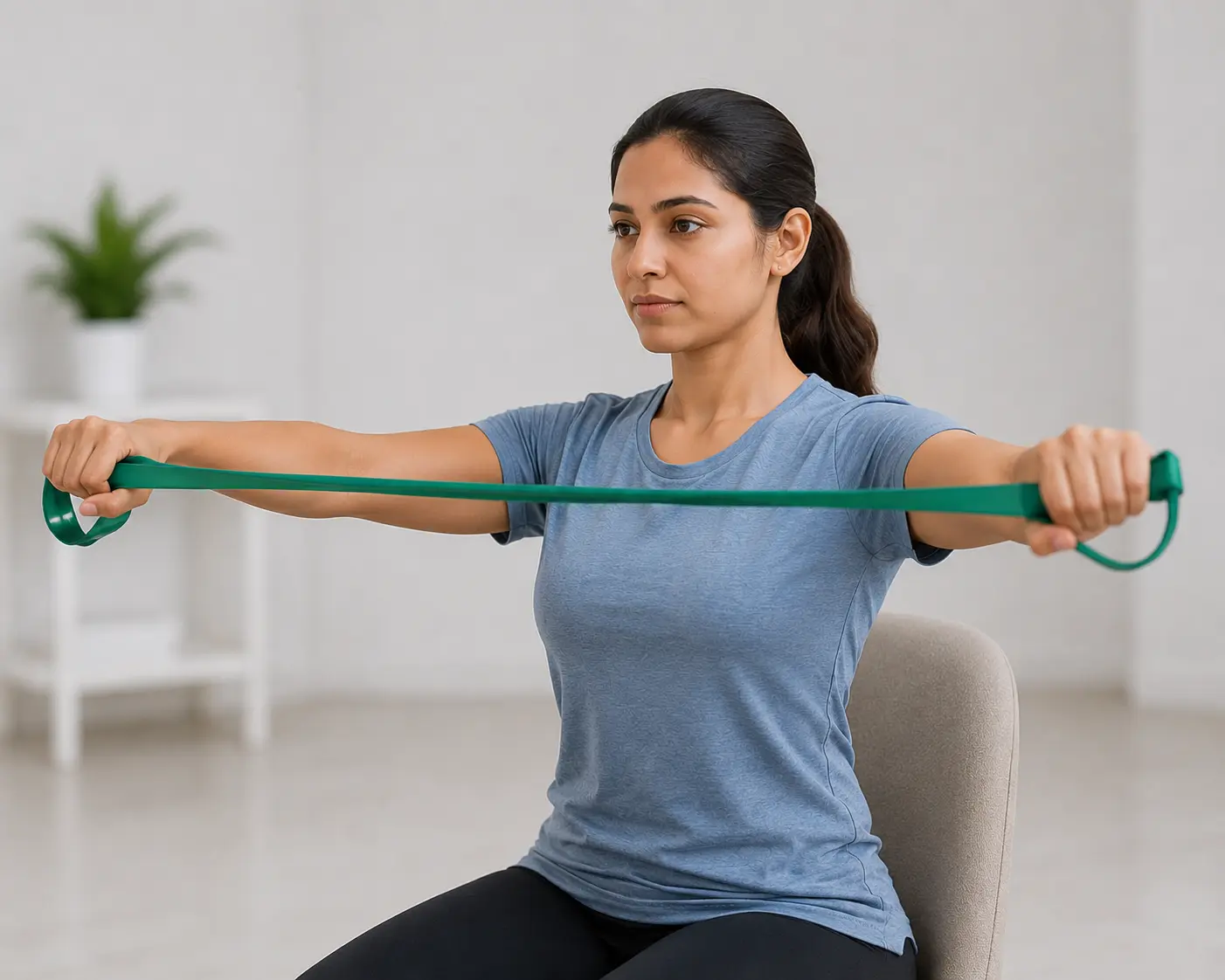
Targeted exercises help improve posture, strengthen neck and shoulder muscles, reduce strain on the cervical spine, and prevent recurring symptoms.
POSTURE CORRECTION & STRENGTHENING
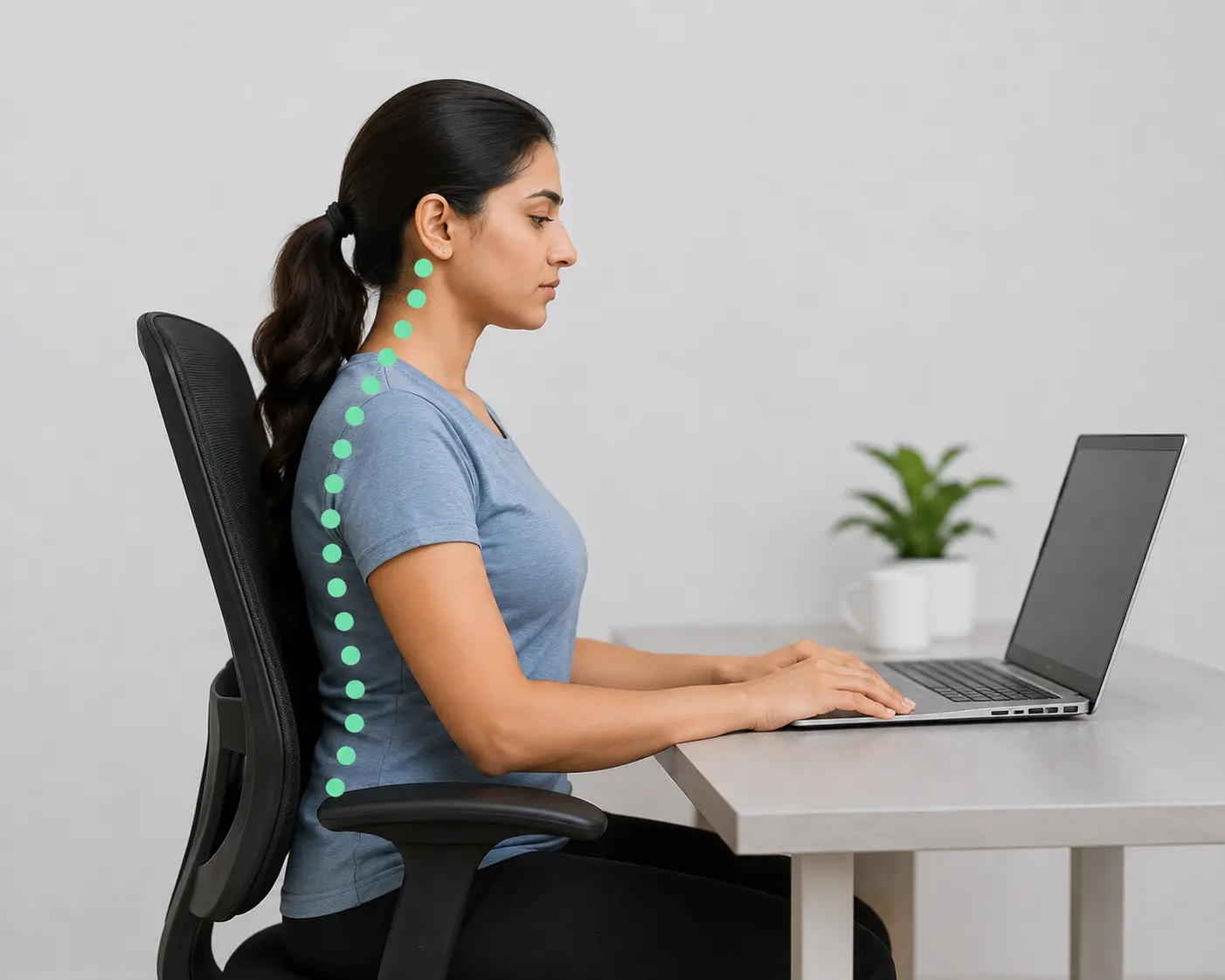
Guidance on proper posture, workstation setup, and daily activities to reduce neck strain, prevent discomfort, and support long-term spinal health.
ERGONOMIC ADVICE
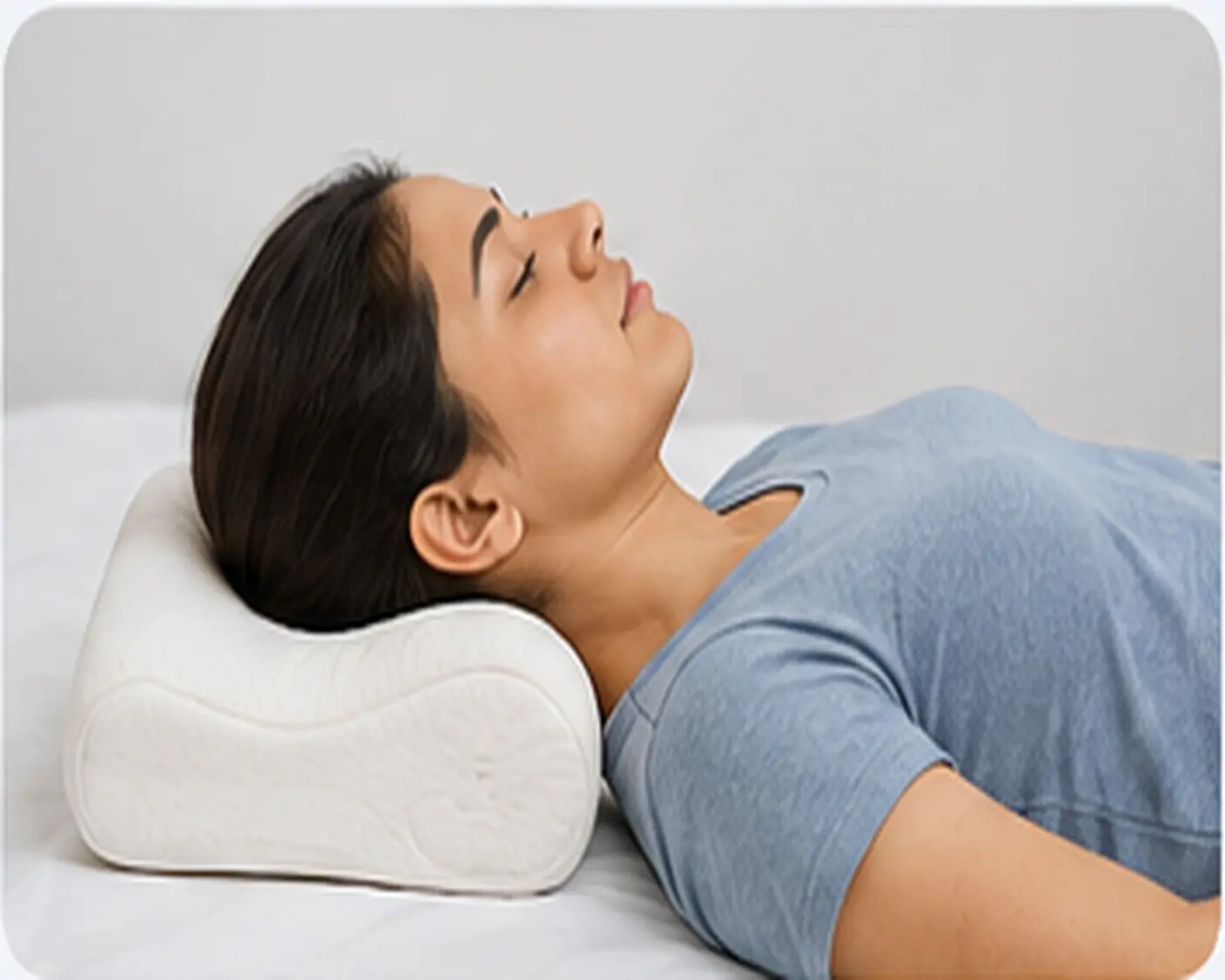
Simple lifestyle changes, including regular exercise, proper posture, stress management, and healthy habits, help reduce neck pain and improve overall spinal health.
LIFESTYLE MODIFICATION

A customized home exercise program and preventive strategies help maintain neck mobility, reduce pain, and prevent future episodes of cervical discomfort.
HOME PROGRAM & PREVENTION
Detailed evaluation of neck pain, posture, mobility, and nerve symptoms to create a personalized treatment plan.
ASSESSMENT & EVALUATION
Gentle stretching exercises help improve neck flexibility, reduce muscle tightness, relieve stiffness, and enhance overall neck mobility.
NECK STRETCHING EXERCISES
Hands-on techniques are used to reduce pain, relieve muscle tension, improve joint mobility, and restore normal neck movement.
MANUAL THERAPY
Therapeutic modalities such as heat therapy, ultrasound, and electrical stimulation help reduce pain, muscle spasm, and inflammation while promoting healing.
MODALITIES (PAIN RELIEF)
Targeted exercises help improve posture, strengthen neck and shoulder muscles, reduce strain on the cervical spine, and prevent recurring symptoms.
POSTURE CORRECTION & STRENGTHENING
Guidance on proper posture, workstation setup, and daily activities to reduce neck strain, prevent discomfort, and support long-term spinal health.
ERGONOMIC ADVICE
Simple lifestyle changes, including regular exercise, proper posture, stress management, and healthy habits, help reduce neck pain and improve overall spinal health.
LIFESTYLE MODIFICATION
A customized home exercise program and preventive strategies help maintain neck mobility, reduce pain, and prevent future episodes of cervical discomfort.
HOME PROGRAM & PREVENTION
Cervical Spondylosis Physiotherapy in Gurugram can cause neck pain, stiffness, reduced mobility, and discomfort during daily activities. Physiotherapy can help manage these symptoms through personalized exercises, mobility work, posture correction, and strengthening techniques.
Table of Contents
Cervical Spondylosis Physiotherapy in Gurugram
Cervical spondylosis can lead to neck pain, stiffness, reduced mobility, headaches, and discomfort that may affect daily activities. At Revive Physio Clinic in Gurugram, physiotherapy focuses on understanding your symptoms and creating an individualized treatment plan. Depending on your assessment, treatment may include gentle neck mobility exercises, stretching, strengthening of supporting muscles, posture correction, manual therapy, and guidance for managing activities at home and work. The goal is to improve neck movement, support muscle function, and help you manage symptoms safely. A qualified physiotherapist can assess your condition and recommend an appropriate rehabilitation program based on your individual needs.
What Is Cervical Spondylosis?
Cervical spondylosis is a common age-related condition that affects the bones, discs, and joints of the neck. Gradual wear and tear in the cervical spine can lead to changes in the discs and joints, which may cause pain, stiffness, or reduced neck movement. Poor posture, prolonged sitting, repetitive neck movements, and age-related spinal changes may contribute to symptoms. Some people may have cervical spondylosis without experiencing noticeable symptoms, while others may develop persistent neck discomfort or symptoms related to nerve irritation. A proper assessment by a qualified healthcare professional can help identify the cause of your symptoms and determine an appropriate treatment approach.
Common Symptoms of Cervical Spondylosis
Cervical spondylosis can cause different symptoms depending on the structures affected. Common symptoms include:
- Neck pain that may become worse with certain activities
- Neck stiffness, particularly after prolonged sitting or sleeping
- Reduced neck movement or difficulty turning the head
- Shoulder and upper-back discomfort
- Headaches, which may occur along with neck discomfort
- Tingling or numbness in the arm or hand when a nerve is affected
Symptoms can vary from person to person. If you experience in Cervical Spondylosis Physiotherapy in Gurugram significant weakness, worsening numbness, problems with balance, or other concerning neurological symptoms, seek medical evaluation promptly.
How Physiotherapy Helps
Physiotherapy can be an important part of managing neck pain and movement difficulties associated with Cervical Spondylosis Physiotherapy in Gurugram. Treatment begins with an assessment of your symptoms, posture, neck movement, muscle strength, and functional limitations. Based on the assessment, your physiotherapist can develop an individualized treatment plan.
Treatment may include gentle mobility exercises, stretching, strengthening exercises, posture education, and movement retraining. These approaches can help improve flexibility, support the muscles around the neck and upper back, and make everyday movements more comfortable. Your physiotherapist may also provide guidance on workstation setup, sleeping positions, and activity modification where appropriate. The treatment plan should be adjusted according to your symptoms, progress, and individual needs.
Cervical Spondylosis Exercises
Exercises for cervical spondylosis should be selected according to your symptoms and physical assessment. Depending on your condition, a physiotherapist may recommend gentle neck mobility exercises, stretching, upper-back movements, and strengthening exercises for the neck and shoulder-supporting muscles.
Exercises should be performed with controlled movements and without forcing the neck into painful positions. Your physiotherapist can show you the correct technique, repetitions, and frequency based on your individual condition. If an exercise causes significant pain, dizziness, increasing numbness, or other unusual symptoms, stop the exercise and seek professional advice.
Benefits of Cervical Spondylosis Physiotherapy in Gurugram
A structured physiotherapy program may help people with cervical spondylosis manage symptoms and improve physical function. Depending on the individual’s condition, potential benefits may include:
Improved neck mobility
Better posture and movement habits
Increased strength in supporting muscles
Reduced stiffness
Improved ability to perform everyday activities
Better understanding of exercises and self-management strategies
Physiotherapy is individualized, so the treatment approach and expected results can differ from one person to another. Your physiotherapist will monitor your progress and modify the program when necessary.
Personalized Physiotherapy Treatment
During the initial assessment, the physiotherapist evaluates your neck movement, posture, muscle strength, pain levels, and any symptoms affecting the shoulders or arms. Based on these findings, a personalized rehabilitation plan can be developed. The aim is to improve mobility, strengthen the muscles supporting the neck and upper back, and help you perform everyday activities more comfortably.
