

Regenerating Healthy Cartilage Naturally
Restore damaged knee cartilage with a proven regenerative treatment designed to reduce pain, improve mobility, and help you return to an active lifestyle at our clinic. Our clinic offers state-of-the-art technology and personalized care plans that cater to the specific needs of each patient. For instance, we utilize advanced imaging techniques to assess the extent of cartilage damage, allowing for precise treatment targeting. Additionally, our team of experienced professionals employs a combination of therapeutic exercises and innovative procedures, such as platelet-rich plasma (PRP) therapy, to enhance healing and promote regeneration of the cartilage. This individualized approach not only addresses the immediate symptoms but also targets the underlying issues contributing to cartilage degradation, thereby facilitating a more comprehensive recovery process.
Moreover, our clinic fosters a supportive environment where patients are encouraged to ask questions and engage in their recovery processes. We believe in educating our patients about their conditions and the various treatment options available. This empowerment helps patients make informed decisions about their health, which can lead to better outcomes. For example, we often conduct workshops and informational sessions that detail the nature of knee injuries, the healing process, and the lifestyle changes that can support recovery. In these workshops, we demonstrate exercises tailored to strengthen the knee joint and improve flexibility, further enhancing recovery and reducing the risk of future injuries.
To enhance your experience at our clinic, we also provide access to various resources, including rehabilitation programs, nutritional counseling, and follow-up consultations to monitor your progress. Our goal is to ensure that every patient not only recovers but also is equipped with the knowledge and tools to prevent future injuries. With our comprehensive approach, we strive to make your journey towards recovery as smooth and effective as possible. We also integrate nutritional advice tailored to support cartilage health, emphasizing the importance of a balanced diet rich in anti-inflammatory foods, vitamins, and minerals.
In addition to physical treatments, our clinic emphasizes the importance of mental well-being in recovery. We offer mental health support services that help patients cope with the emotional aspects of dealing with chronic pain or limited mobility. Our therapists work closely with patients to develop coping strategies and promote a positive mindset, which is equally vital in the healing process. We understand that recovery is not just a physical journey; it encompasses emotional and psychological aspects as well. Our integrated approach ensures that all facets of a patient’s health are addressed.
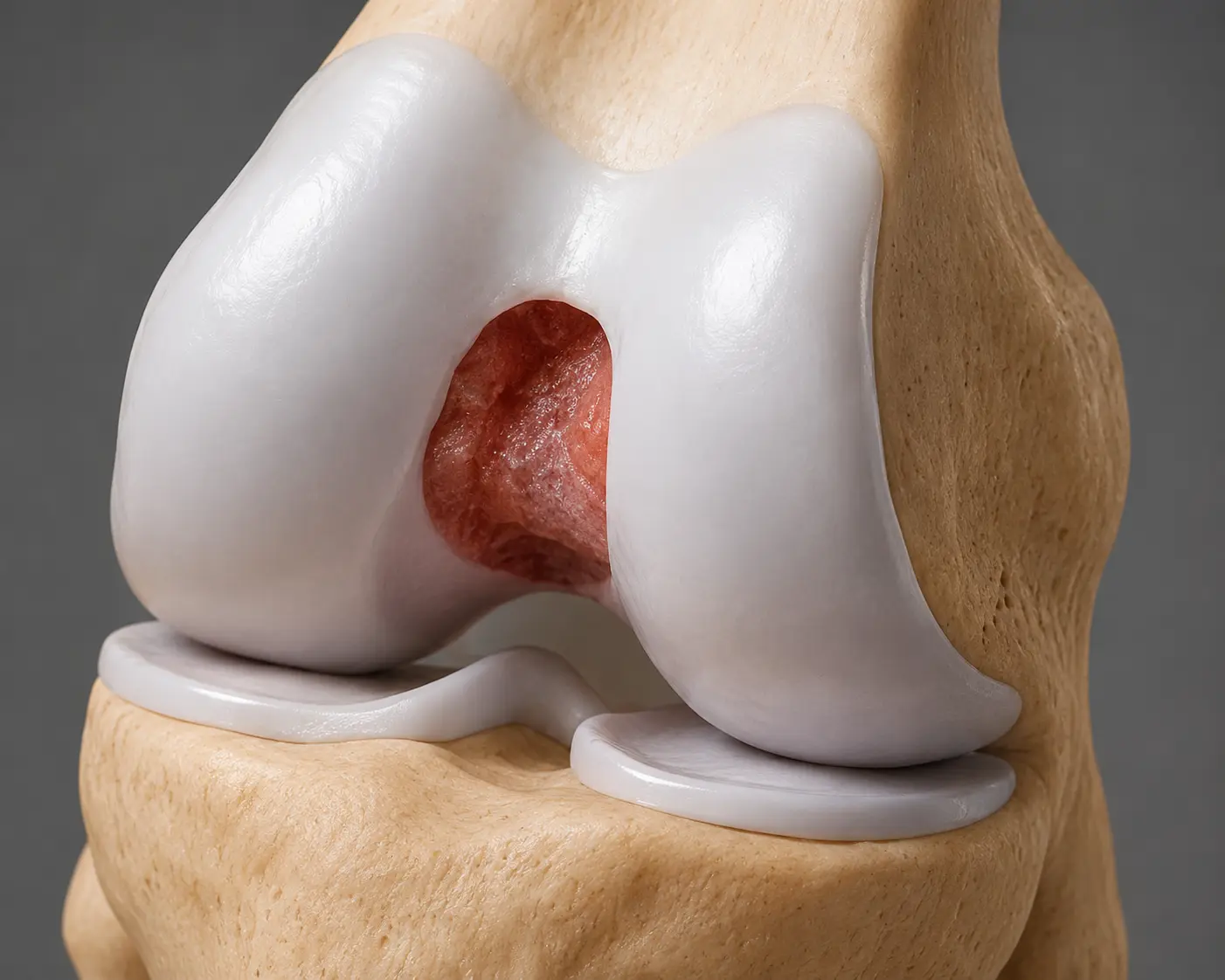
Cartilage injury treatment focuses on reducing pain, improving joint function, and restoring damaged cartilage. Mild injuries can be managed with rest, physiotherapy, medications, and injections.
Cartilage Injury
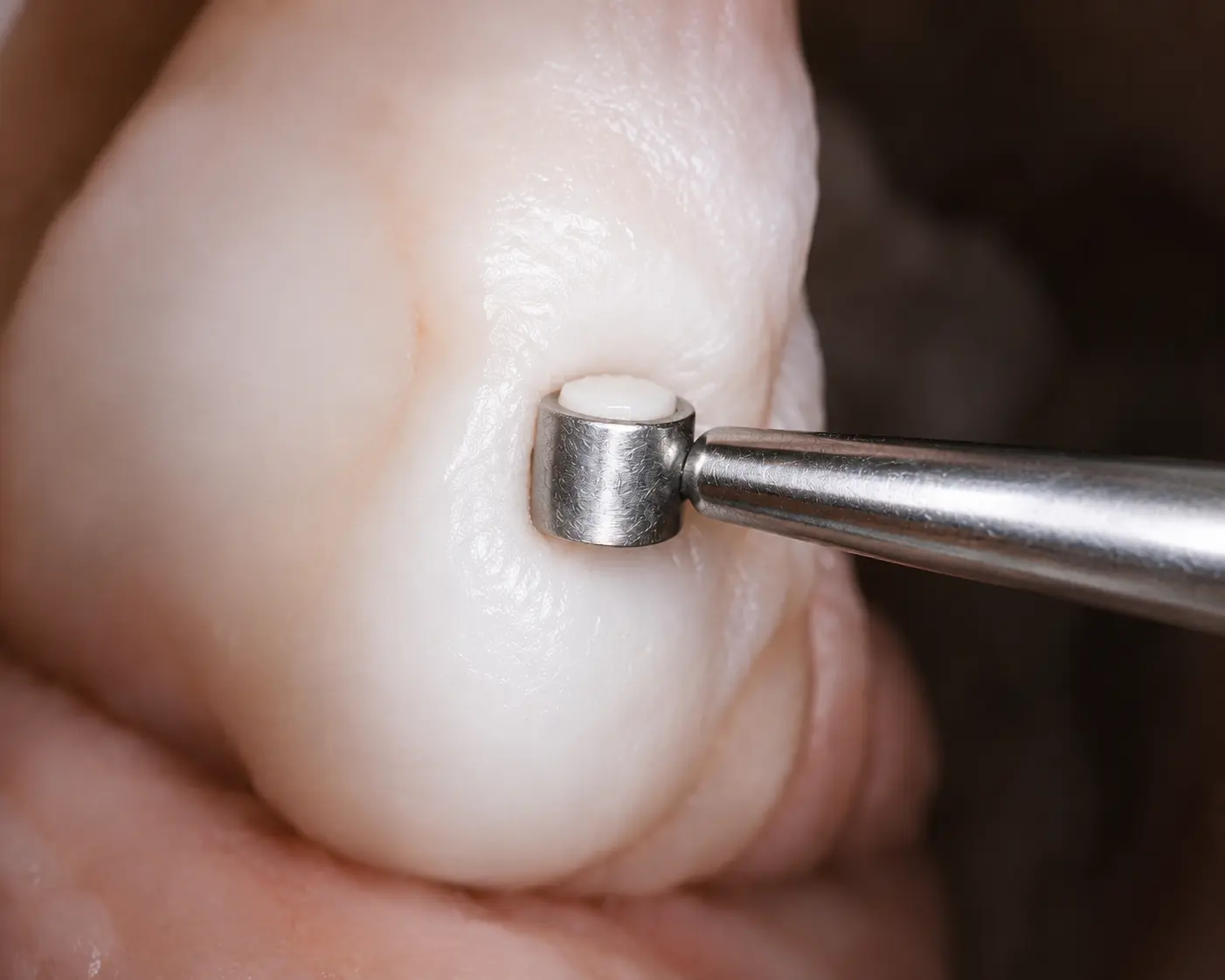
A cartilage biopsy is a minimally invasive procedure in which a small sample of healthy cartilage is collected from a non-weight-bearing area of the joint using arthroscopy.
Cartilage Biopsy
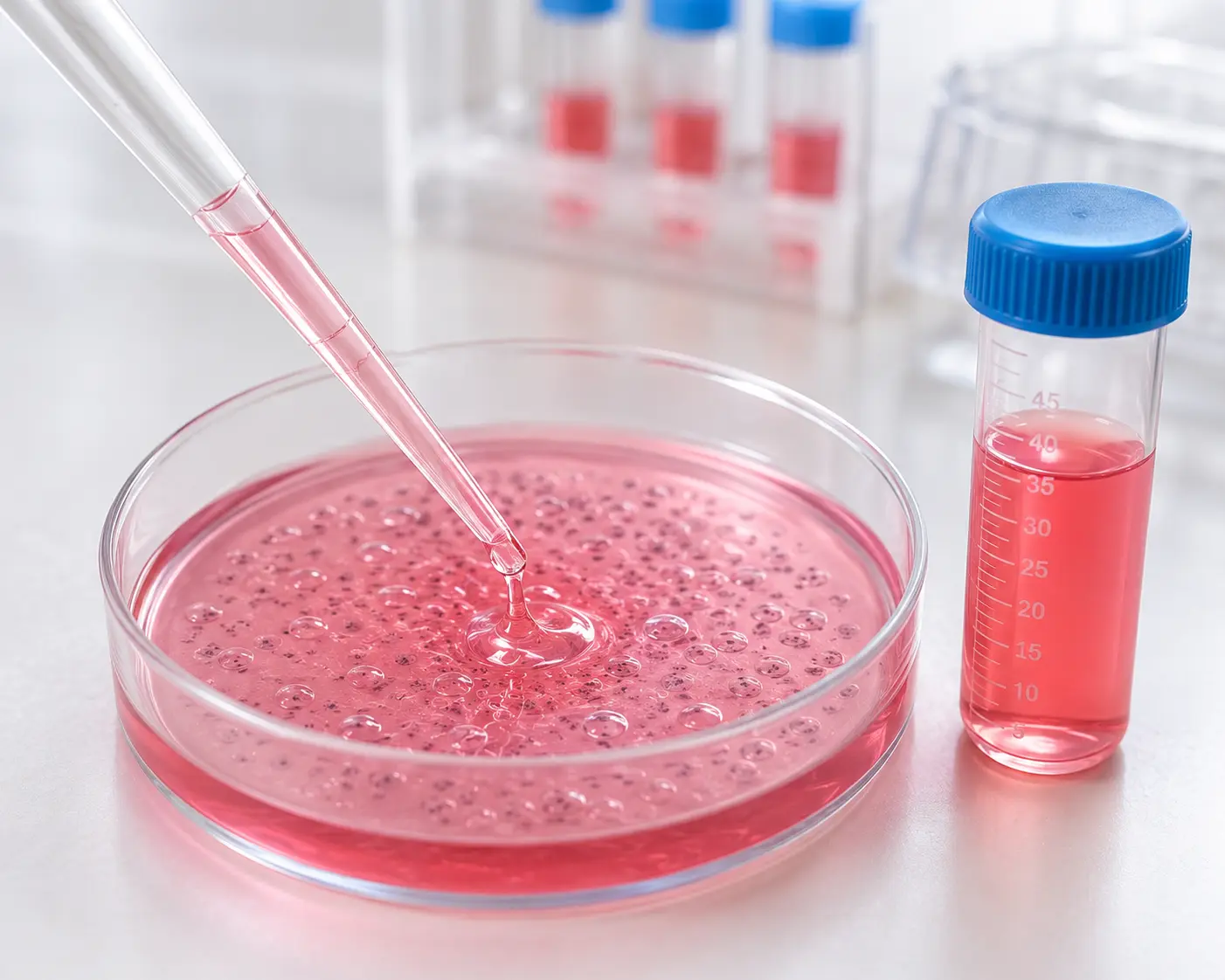
During the cell isolation and culture phase, chondrocytes (cartilage cells) are extracted from the harvested cartilage sample and processed in a specialized laboratory.
Cell Isolation & Culture
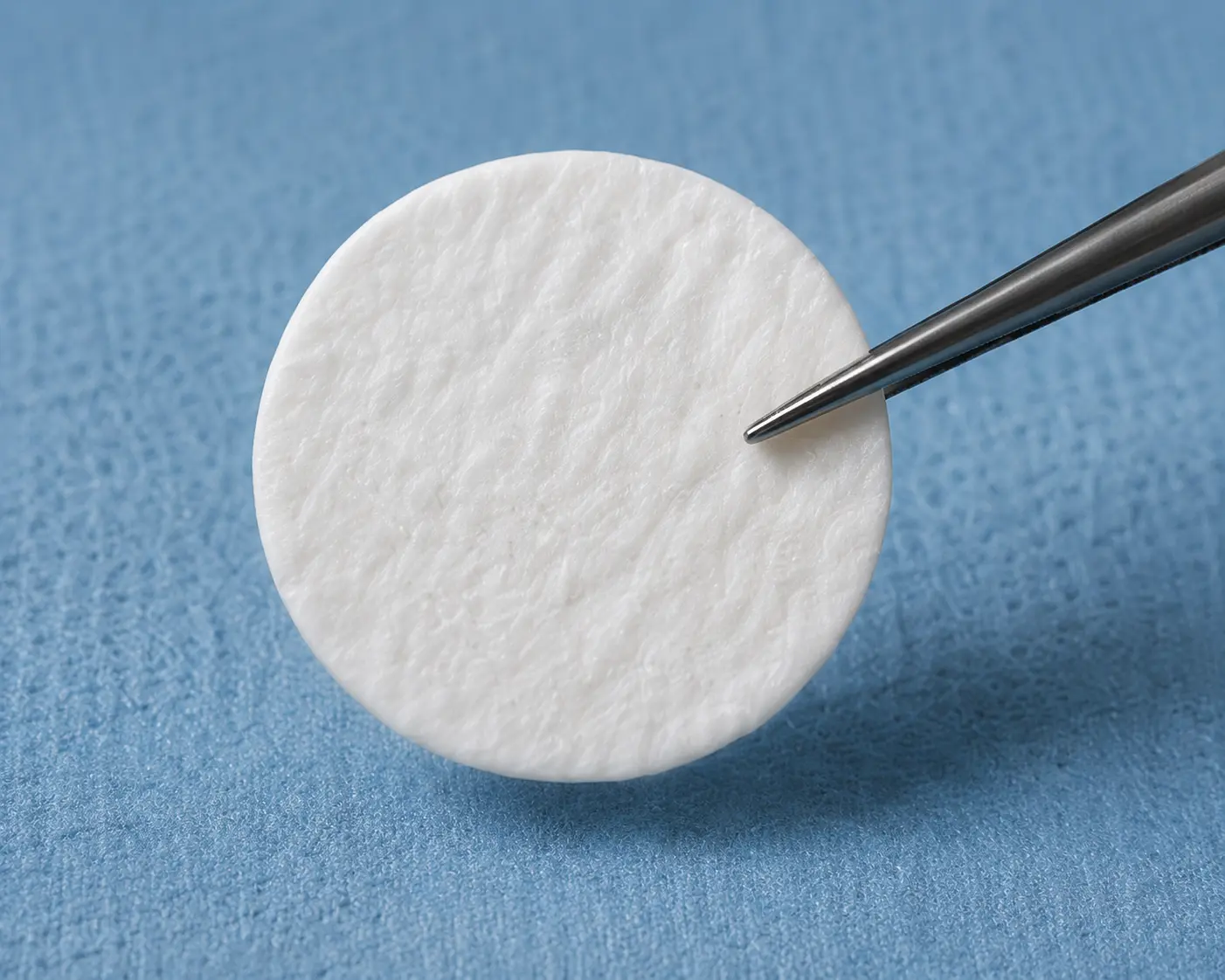
A biocompatible scaffold is prepared to support the growth and attachment of cultured chondrocytes. This scaffold acts as a framework for developing new cartilage tissue before implantation into the damaged area.
Scaffold Preparation
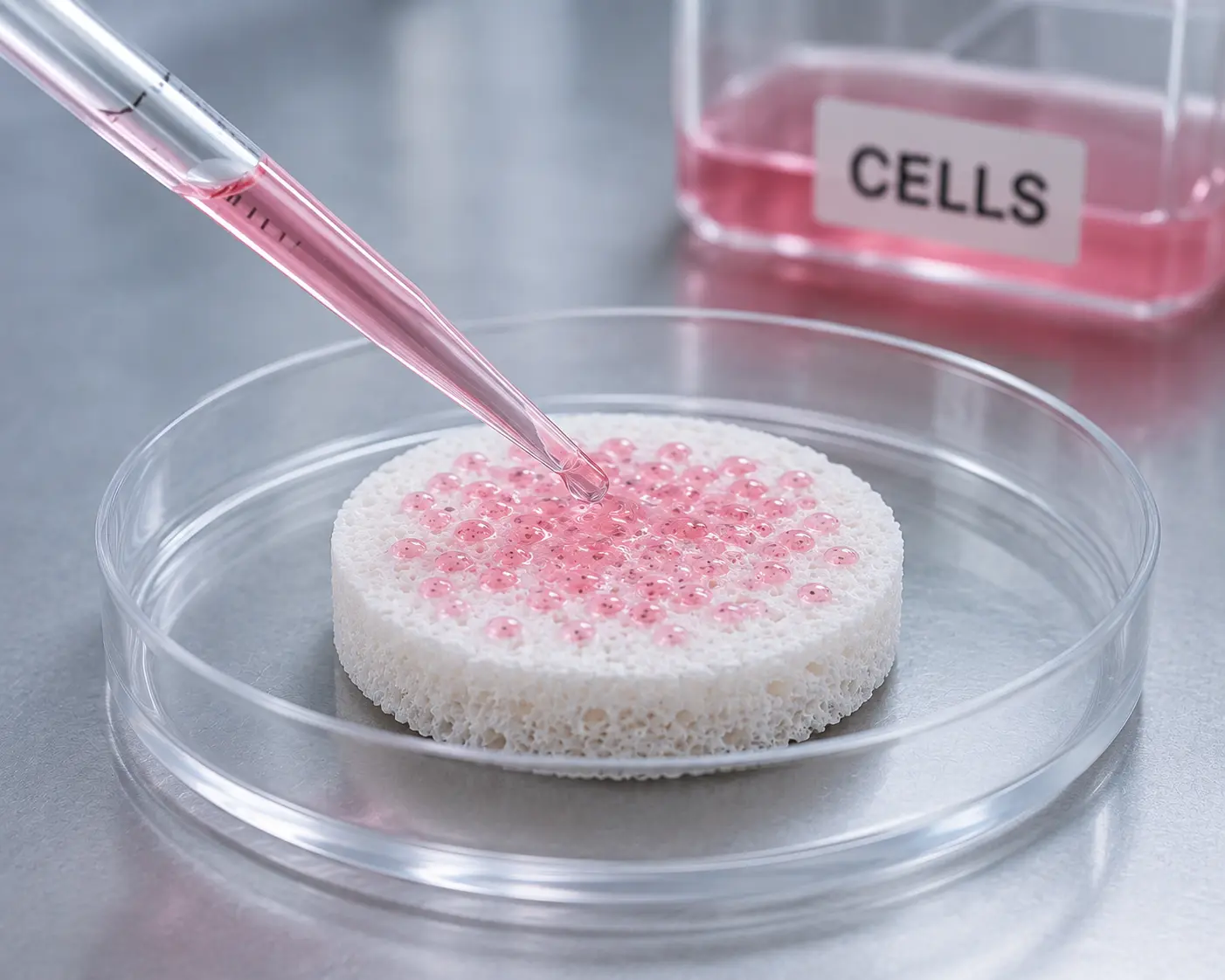
During cell seeding, the cultured chondrocytes are carefully placed onto the prepared scaffold. The cells attach, grow, and begin forming new cartilage tissue, creating a living implant ready for transplantation into the damaged joint area.
Cell Seeding
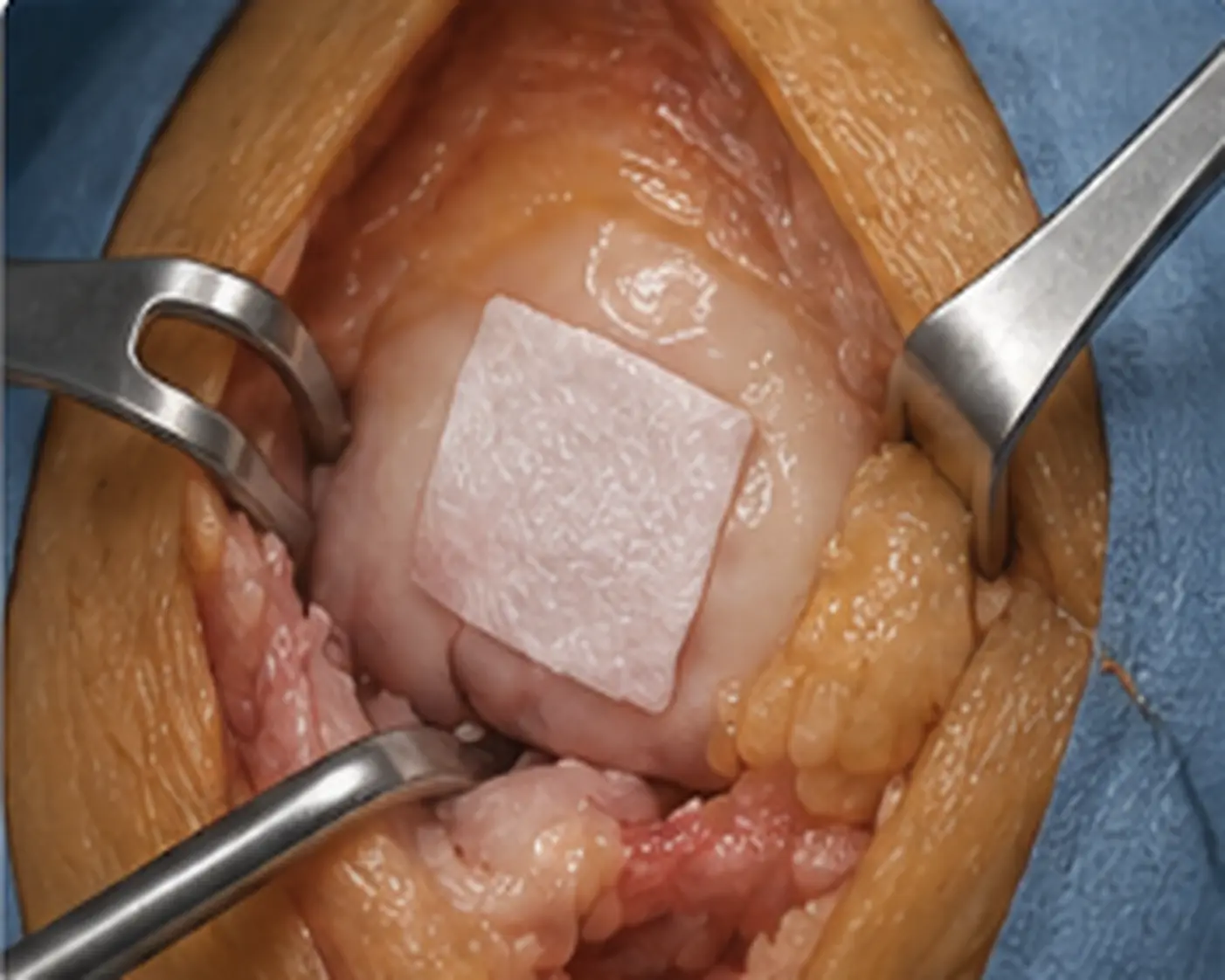
During implantation, the cell-seeded scaffold is carefully placed into the damaged cartilage area of the joint. The implant is secured in position, allowing the chondrocytes to integrate with the surrounding tissue and begin regenerating healthy cartilage.
Implantation
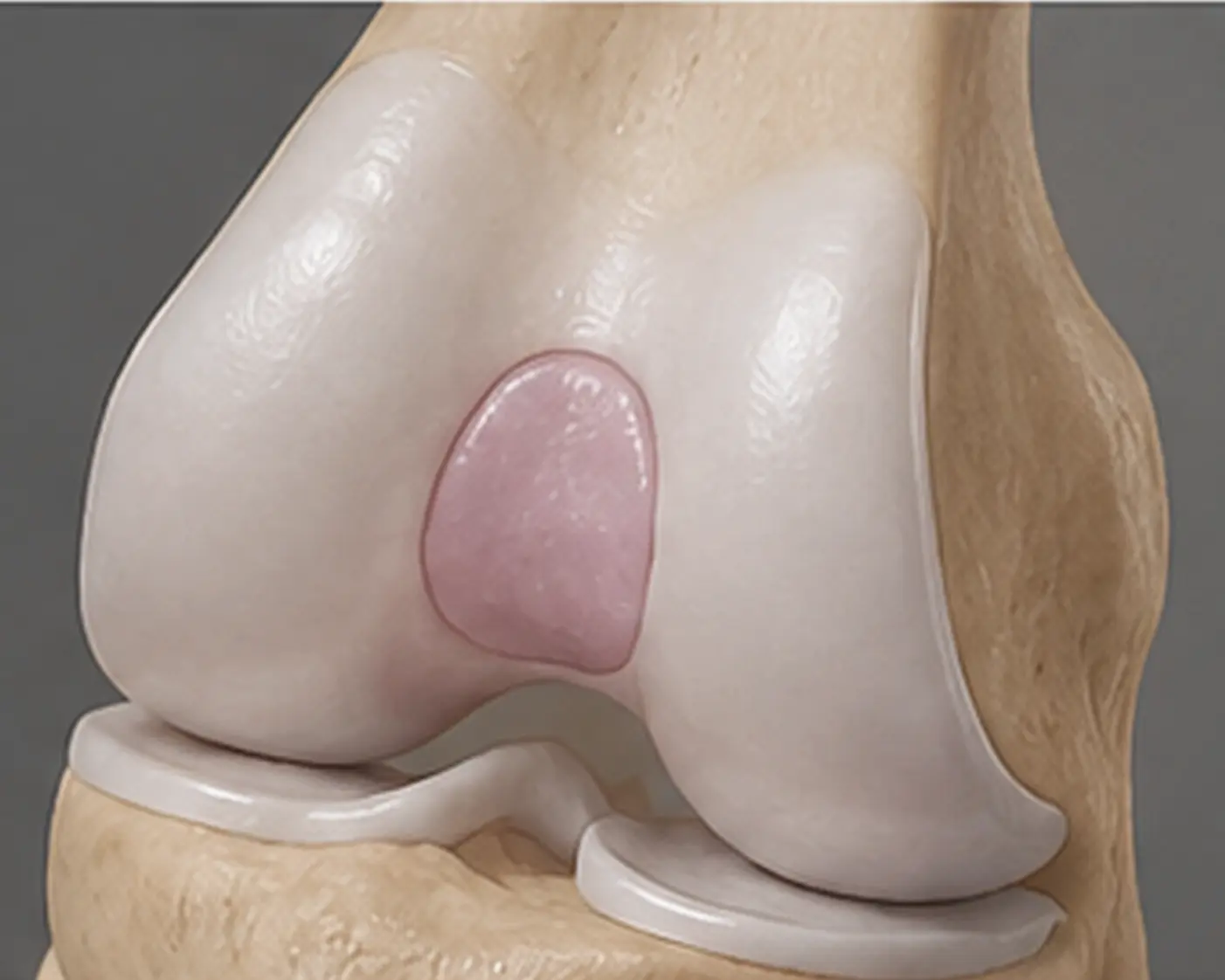
After implantation, the seeded chondrocytes begin producing new cartilage tissue within the damaged area. Over time, the implant integrates with the surrounding cartilage, promoting healing, regeneration, and improved joint function.
Healing & Regeneration

Recovery involves a structured rehabilitation program designed to restore knee strength, flexibility, and mobility. Through physiotherapy and gradual return to activity, patients regain joint function while supporting the healing and maturation of newly formed cartilage over several months.
Recovery
Why Choose Our Clinic for ACI Treatment?
Moreover, the use of technology such as ultrasound-guided injections allows for better precision in delivering treatments directly to the damaged area, minimizing discomfort and maximizing efficacy. Our team stays updated with the latest advancements in regenerative medicine, ensuring that our patients benefit from cutting-edge techniques. Furthermore, each treatment plan is regularly evaluated and adjusted based on the patient’s response, fostering a dynamic and responsive care approach.
In addition to workshops, we offer one-on-one sessions that allow patients to discuss their concerns in private. This personalized approach helps build trust and ensures that patients feel supported throughout their recovery journey. We also share success stories of previous patients who have overcome similar challenges, providing hope and motivation for those currently in treatment.
Additionally, our rehabilitation programs include aquatic therapy, which has been shown to be particularly beneficial for individuals with knee injuries. The buoyancy of water reduces strain on joints while allowing for a full range of motion, promoting faster healing. Regular assessments help us track your improvement and make necessary adjustments to your rehabilitation plan, ensuring you receive the best care possible.
Furthermore, we organize group therapy sessions where patients can share their experiences and support one another. This peer support can be invaluable, fostering a sense of community and connection among individuals sharing similar challenges. Our aim is to create an environment where patients feel safe to express their feelings and learn from others, enhancing their recovery experience.
