

Restore Your Smile & Facial Function
Recovering from Bell’s Palsy can be a challenging journey, but with expert physiotherapy treatments, you can significantly improve your quality of life.
, making the journey a shared experience filled with understanding and support.
Understanding Bell’s Palsy and Its Impact on Daily Life
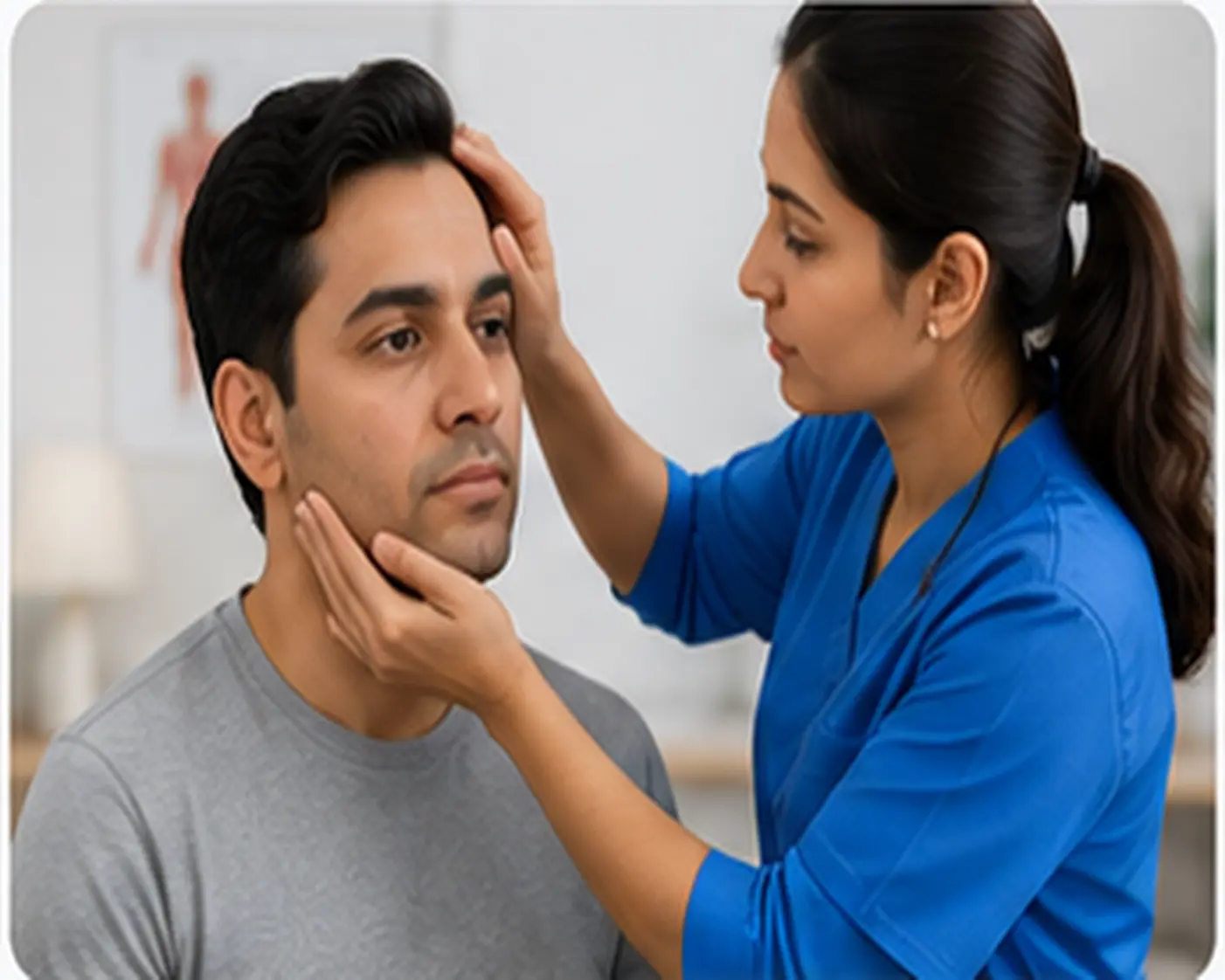
A thorough assessment is performed to evaluate facial muscle weakness, nerve function, and facial symmetry, helping create a personalized treatment plan.
ASSESSMENT & EVALUATION

Facial muscle exercises help strengthen weakened facial muscles, improve coordination, restore facial expressions, and support nerve recovery during the healing process.
FACIAL MUSCLE EXERCISES
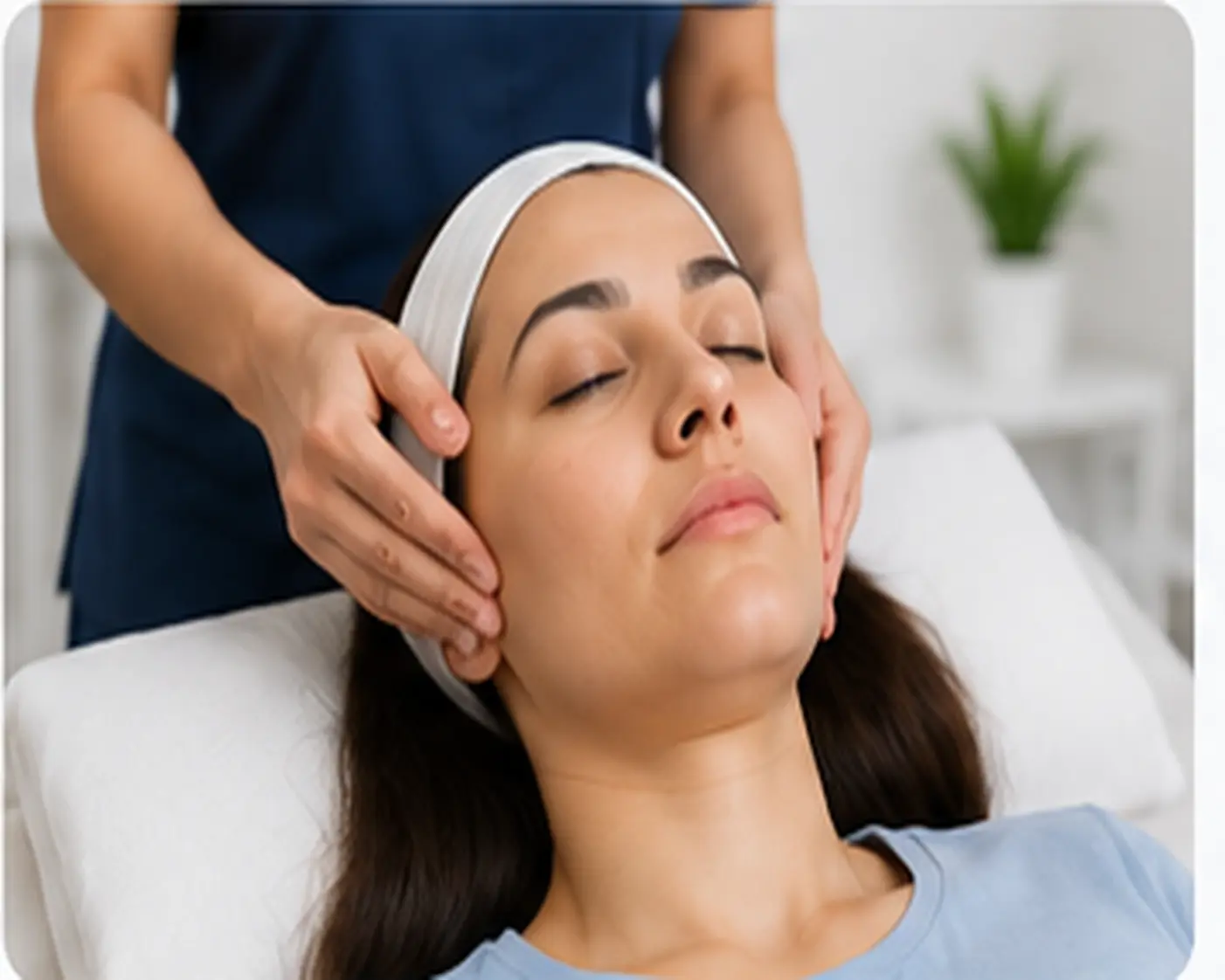
Facial massage helps improve blood circulation, reduce muscle stiffness, promote relaxation, and support the recovery of facial muscles affected by Bell’s Palsy.
FACIAL MASSAGE
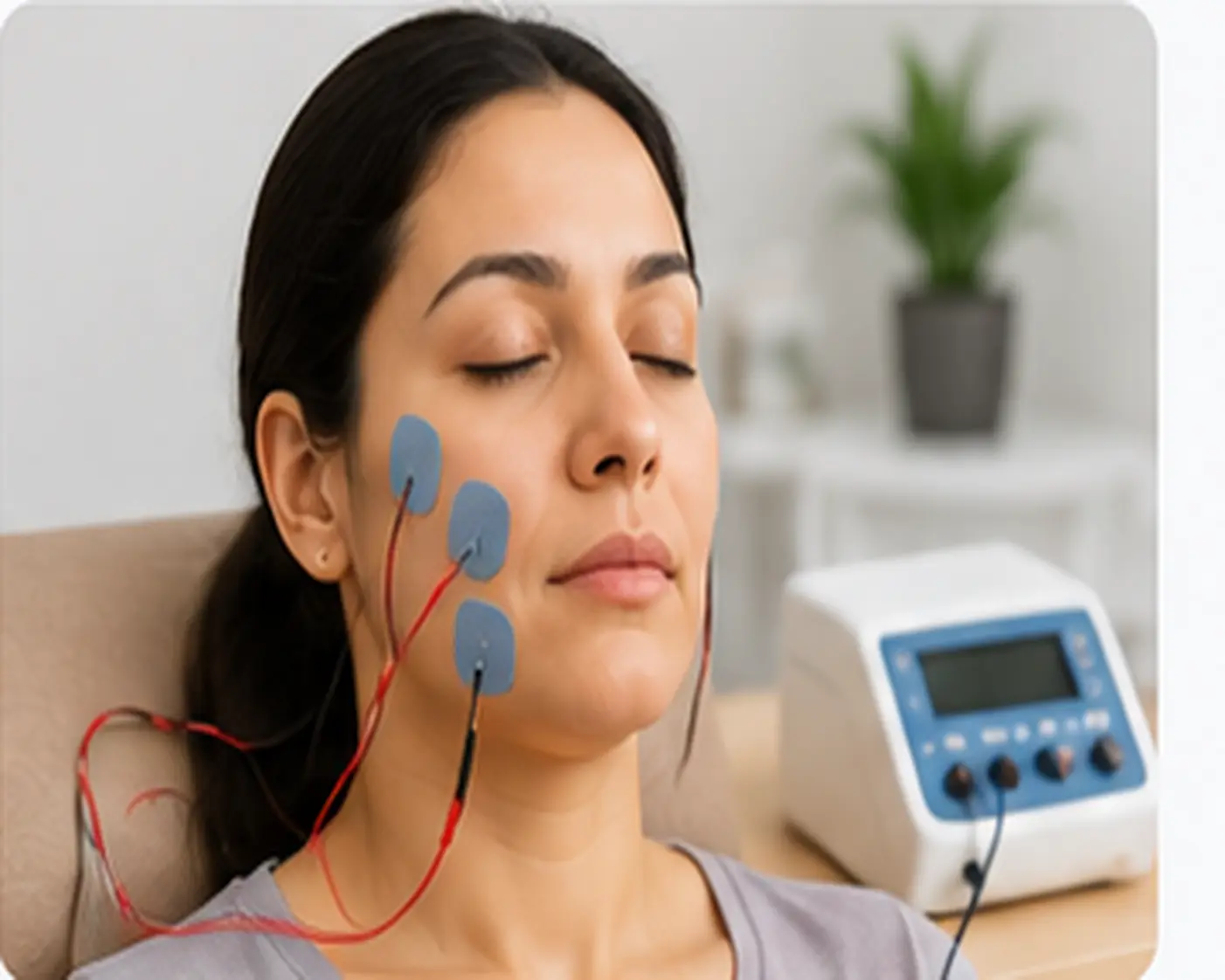
Electrical stimulation uses gentle electrical impulses to activate weakened facial muscles, improve muscle function, and support nerve recovery during the rehabilitation process.
ELECTRICAL STIMULATION
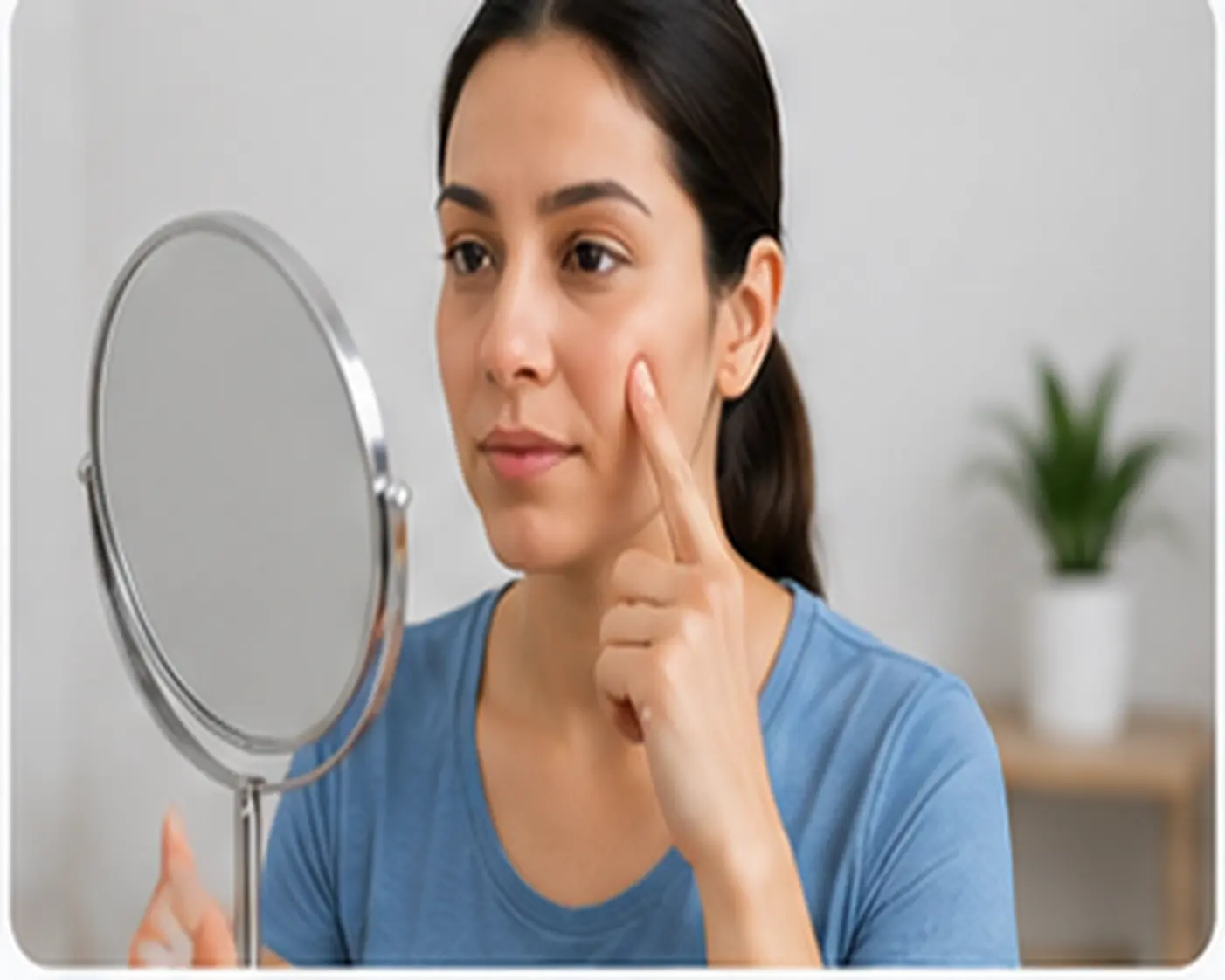
Mirror therapy helps improve facial muscle control and coordination by providing visual feedback, encouraging the brain to relearn normal facial movements and restore facial symmetry.
MIRROR THERAPY

Neuromuscular re-education helps retrain facial muscles and nerves to work together effectively, improving facial movements, coordination, symmetry, and overall muscle control.
NEUROMUSCULAR RE-EDUCATION

Relaxation and stress management techniques help reduce muscle tension, improve emotional well-being, and support the recovery process by promoting overall nerve and muscle health.
RELAXATION & STRESS MANAGEMENT

Functional recovery and home care focus on restoring normal facial movements, improving daily function, and maintaining progress through regular exercises and self-care techniques at home.
FUNCTIONAL RECOVERY & HOME CARE
Table of Contents
Bell’s Palsy: Symptoms, Causes, Treatment & Physiotherapy
Bell’s Palsy is a temporary condition that causes sudden weakness or paralysis of the muscles on one side of the face. It occurs when the facial nerve, also known as the seventh cranial nerve, becomes inflamed or compressed. Because this nerve controls many facial movements,it can affect smiling, closing the eye, eating, drinking, and other everyday activities.
Although Bell’s Palsy can develop suddenly and may initially be frightening, many people experience significant improvement with appropriate medical care and rehabilitation. Physiotherapy can play an important role in supporting facial muscle function, improving movement control, and reducing complications during recovery.
What Is Bell’s Palsy?
Bell’s Palsy is a form of facial nerve weakness that usually affects one side of the face. It can develop over several hours or become noticeable when a person wakes up.
Common changes may include difficulty smiling, an uneven appearance of the face, difficulty closing one eye, or reduced movement around the mouth and forehead.
The severity and recovery period can vary from person to person. Early assessment is important because sudden facial weakness can sometimes be caused by other neurological conditions that require urgent medical attention.
Symptoms of Bell’s Palsy
The symptoms is can range from mild facial weakness to significant paralysis. Common symptoms include:
- Sudden weakness or drooping on one side of the face
- Difficulty smiling or making facial expressions
- Difficulty closing one eye completely
- Drooping of the corner of the mouth
- Difficulty drinking without liquid leaking from the mouth
- Difficulty eating or chewing
- Changes in taste
- Increased sensitivity to sound in one ear
- Dryness or excessive watering of the affected eye
- Facial discomfort or pain around the ear or jaw
- Difficulty controlling facial movements
Symptoms may appear suddenly and can become more noticeable during the first few days.
What Causes Bell’s Palsy?
The exact cause of Bell’s Palsy is not always clear. It is generally associated with inflammation or swelling of the facial nerve.
Some cases may be associated with viral infections, including viruses from the herpes family. Certain factors have also been associated with an increased risk of developing.
However, facial weakness should not automatically be assumed to be Bell’s Palsy. Conditions such as stroke and other neurological disorders can produce similar symptoms. Therefore, a medical professional should evaluate sudden facial weakness.
Diagnosis of Bell’s Palsy
A healthcare professional usually evaluates facial movement, muscle strength, eye closure, and other neurological signs. The medical history and pattern of symptoms can help determine whether Bell’s Palsy is likely.
Additional investigations may sometimes be required when symptoms are unusual, severe, recurrent, or do not follow the expected recovery pattern.
If facial weakness occurs suddenly together with symptoms such as difficulty speaking, weakness or numbness in an arm or leg, confusion, severe headache, dizziness, or difficulty walking, seek emergency medical care immediately because these may be signs of a stroke.
Bell’s Palsy Treatment
Treatment depends on the severity of the condition and the individual’s symptoms. Medical treatment may include medications prescribed by a doctor, particularly when treatment is started early.
Protecting the affected eye is also important when the eyelid cannot close properly. A healthcare professional may recommend appropriate eye protection or lubricating treatment to help prevent eye complications.
Alongside medical management, rehabilitation may be recommended to support facial function and recovery.
How Physiotherapy Can Help With Bell’s Palsy
Physiotherapy can be an important part of rehabilitation for people recovering from it. A physiotherapist can assess facial movement and develop an individualized treatment plan based on the person’s condition and stage of recovery.
Depending on the assessment, physiotherapy may focus on:
1. Facial Muscle Re-education
Facial muscle re-education involves controlled and purposeful facial movements designed to help improve coordination and movement quality.
The goal is not simply to perform repeated movements but to develop better control of the affected facial muscles.
2. Gentle Facial Exercises
Specific exercises may be introduced according to the person’s recovery stage. These may include controlled movements involving the forehead, eyes, cheeks, and mouth.
Exercises should be performed carefully and under professional guidance, particularly when abnormal or unwanted facial movements develop.
3. Improving Facial Symmetry
Bell’s Palsy can create noticeable facial asymmetry. Rehabilitation can focus on improving controlled movement and facial coordination to support more balanced facial expressions.
4. Managing Muscle Tightness
During recovery, some individuals may experience tightness or unwanted movements in facial muscles. A physiotherapist can assess these changes and modify the rehabilitation program accordingly.
5. Functional Training
Facial muscles are important for everyday activities such as eating, drinking, speaking, smiling, and closing the eyes. Rehabilitation can incorporate functional movements that relate directly to daily activities.
Bell’s Palsy Recovery
Recovery from Bell’s Palsy varies significantly between individuals. Some people experience improvement relatively quickly, while others may require a longer rehabilitation period.
Factors such as the severity of facial weakness, the extent of nerve involvement, and the individual’s overall condition can influence recovery.
Consistent follow-up with the appropriate healthcare professionals is important. Physiotherapy exercises should be progressed according to the individual’s recovery rather than following the same routine for everyone.
Conclusion
Bell’s Palsy can cause sudden facial weakness and make everyday activities such as smiling, eating, drinking, speaking, and closing the eyes difficult. Although recovery varies from person to person, timely medical evaluation and appropriate rehabilitation can support the recovery process. Physiotherapy may help improve facial muscle control, coordination, symmetry, and functional movement through individualized facial exercises and muscle re-education. If you are experiencing persistent facial weakness or difficulty with facial movements, consult a qualified healthcare professional for proper assessment and treatment. With the right care and consistent rehabilitation, many individuals can work toward improving their facial function and returning to their daily activities.
When Should You See a Physiotherapist?
Consider consulting a qualified physiotherapist if you experience:
- Persistent facial weakness
- Difficulty controlling facial movements
- Problems with facial symmetry
- Difficulty eating or drinking
- Changes in facial muscle coordination
- Tightness or unwanted facial movements during recovery
- Difficulty returning to normal facial expressions
A physiotherapy assessment can help determine the appropriate rehabilitation approach based on your symptoms and recovery stage.
