

Walk Pain-Free with Every Step
Recover from plantar fasciitis with expert physiotherapy treatments designed to reduce heel pain, relieve inflammation, improve foot mobility, and help you return to your daily activities comfortably and confidently.
Plantar Fasciitis Physiotherapy Gurugram

A thorough assessment of foot posture, gait, flexibility, and pain levels helps identify the cause of plantar fasciitis and create a personalized treatment plan.
ASSESSMENT & EVALUATION

Stretching exercises help improve the flexibility of the plantar fascia, calf muscles, and Achilles tendon, reducing tension, relieving heel pain, and promoting better foot movement.
STRETCHING EXERCISES

Soft tissue massage helps reduce muscle tightness, improve blood circulation, relieve pain, and promote healing of the plantar fascia and surrounding tissues.
SOFT TISSUE MASSAGE
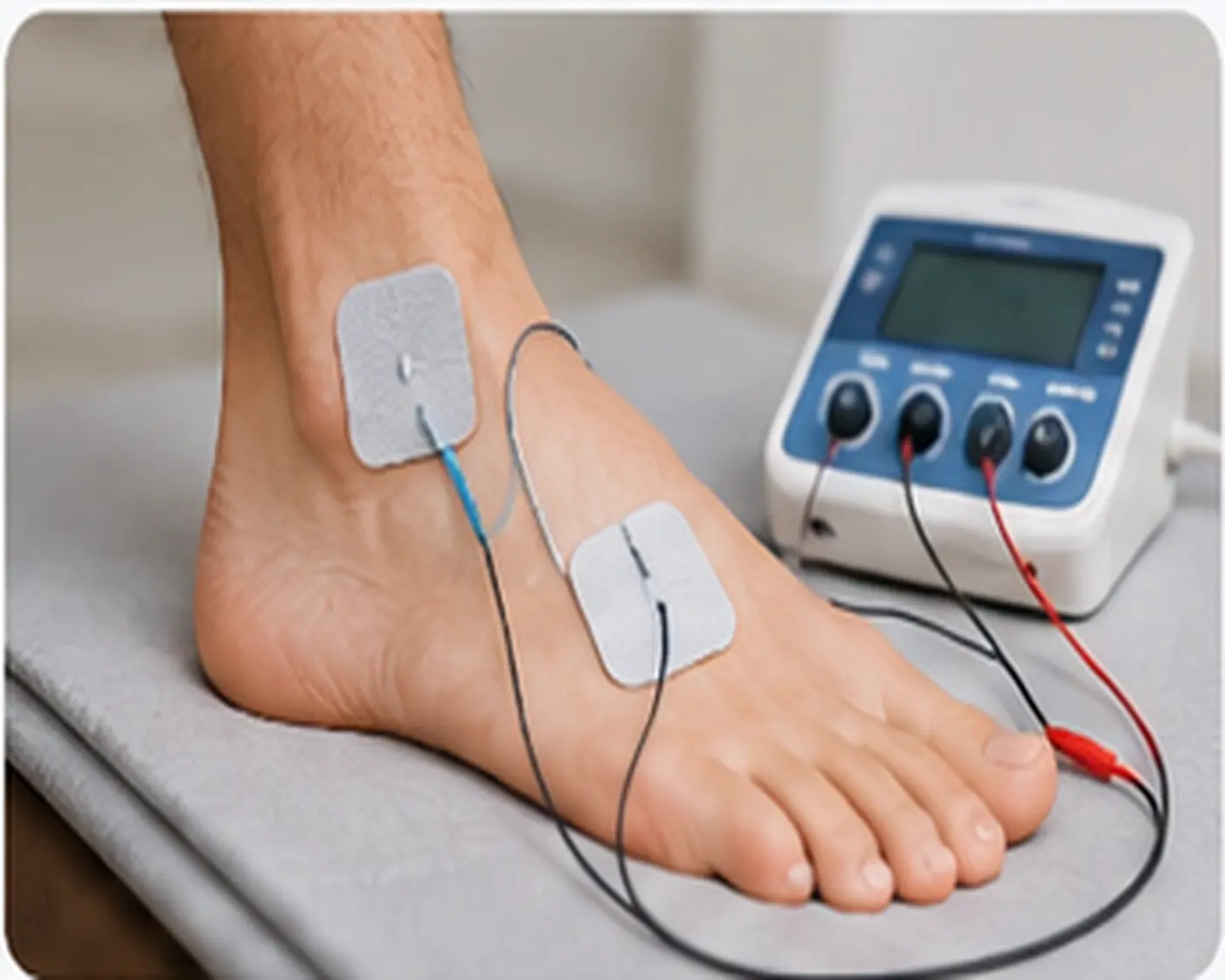
Electrical stimulation uses gentle electrical impulses to reduce pain, improve circulation, stimulate tissue healing, and support the recovery of the plantar fascia and surrounding muscles.
ELECTRICAL STIMULATION

Foot mobility and strengthening exercises improve flexibility, enhance muscle strength, increase stability, and support proper foot function, helping to reduce pain and prevent future injuries.
FOOT MOBILITY & STRENGTHENING
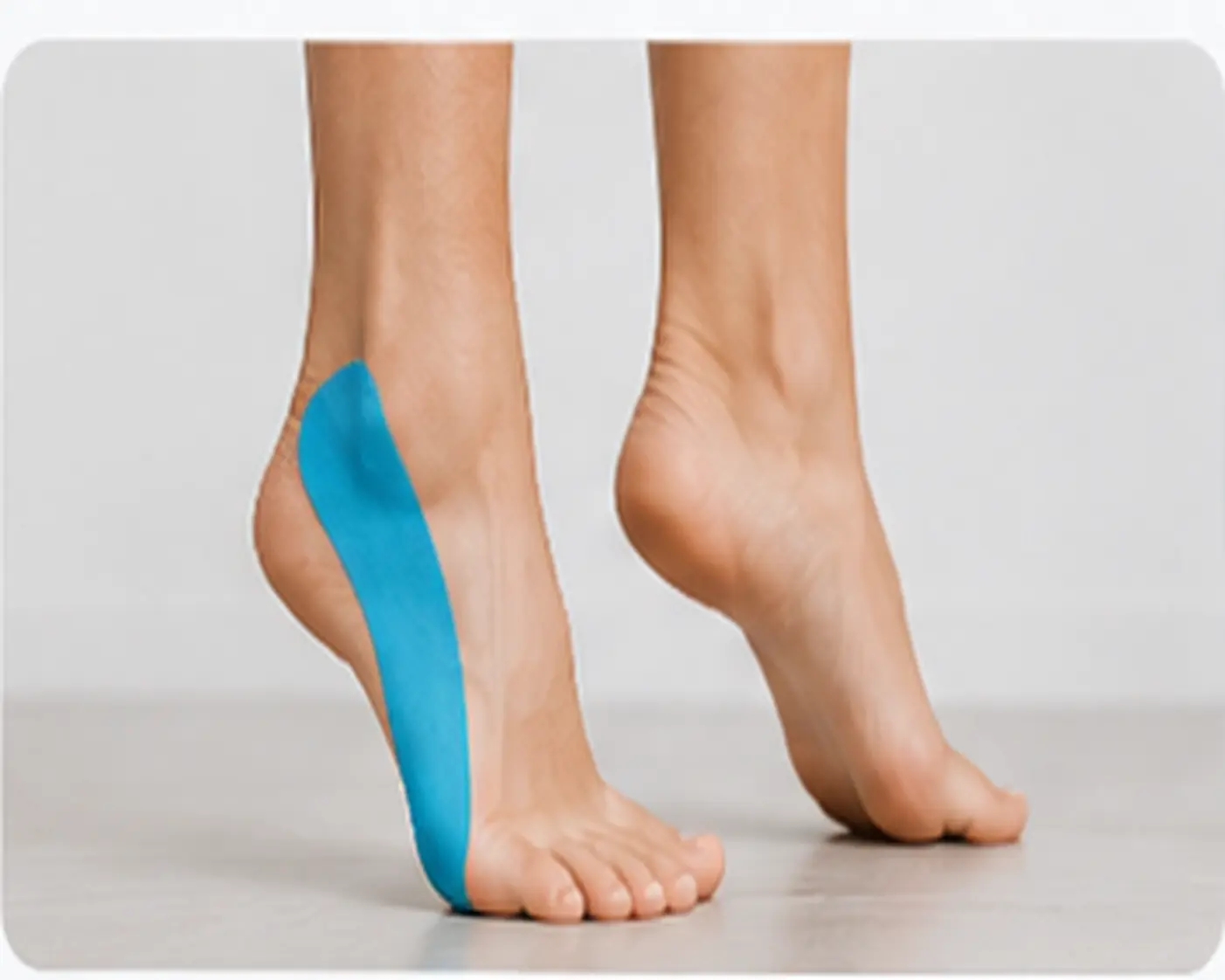
Taping and support techniques help stabilize the foot, reduce strain on the plantar fascia, improve alignment, and provide pain relief during daily activities and recovery.
TAPING & SUPPORT

Shockwave therapy uses high-energy sound waves to stimulate tissue healing, reduce chronic heel pain, improve blood circulation, and promote faster recovery of the plantar fascia.
SHOCKWAVE THERAPY

Home care and prevention focus on regular stretching, proper footwear, activity modification, and foot-strengthening exercises to reduce pain, prevent recurrence, and maintain long-term foot health.
HOME CARE & PREVENTION
Table of Contents
How Physiotherapy Can Help with Plantar Fasciitis
Physiotherapy can play an important role in managing Plantar Fasciitis Physiotherapy Gurugram and improving the strength and mobility of your feet and lower limbs. Depending on your assessment, your treatment plan may include:
- Stretching exercises for the plantar fascia and calf muscles
- Manual therapy techniques to improve mobility
- Strengthening exercises for the foot, ankle, and lower leg
- Guidance on improving walking and movement patterns
- Taping techniques when clinically appropriate
- Exercise programs for long-term foot health
- Advice on activity modification and recovery
Why Choose Plantar Fasciitis Physiotherapy Gurugram?
A structured physiotherapy program focuses on addressing contributing factors rather than only providing temporary pain relief. Regular rehabilitation may help improve flexibility, strength, mobility, and overall foot function.
Our team at Revive Physio Clinics provides personalized guidance and rehabilitation plans based on your symptoms, activity level, and individual functional goals.
Get Professional Help for Heel Pain in Gurugram
If heel pain is affecting your daily routine, walking, exercise, or work activities, professional assessment can help identify the right rehabilitation approach. Our Plantar Fasciitis Physiotherapy Gurugram focus on helping you improve movement, manage symptoms, and return to your daily activities with greater comfort.
Book a consultation with Revive Physio Clinics and take the next step towards better foot health and improved mobility.
Understanding Plantar Fasciitis
Plantar Fasciitis Physiotherapy Gurugram is one of the common causes of heel pain. The plantar fascia is a thick band of tissue that runs along the bottom of the foot and connects the heel bone to the toes. When this tissue becomes irritated or overloaded, it can lead to pain and discomfort, particularly around the heel.
Many people experience pain during their first few steps after waking up or after sitting for a long period. The discomfort may reduce after moving around but can return following prolonged standing, walking, or physical activity.
At Revive Physio Clinics, our approach to Plantar Fasciitis Physiotherapy Gurugram focuses on identifying the factors contributing to your symptoms and creating an individualized rehabilitation program.
Common Symptoms of Plantar Fasciitis
The symptoms of Plantar Fasciitis Physiotherapy Gurugram can vary from person to person. Common signs may include:
- Sharp or stabbing pain near the bottom of the heel
- Pain during the first steps in the morning
- Heel pain after prolonged sitting or resting
- Discomfort while standing for long periods
- Pain while walking or climbing stairs
- Increased discomfort after physical activity
- Tightness in the calf muscles or foot
- Difficulty performing regular daily activities comfortably
If heel pain continues or affects your mobility, a professional physiotherapy assessment can help determine the appropriate rehabilitation approach.
What Causes Plantar Fasciitis?
Several factors can contribute to increased stress on the plantar fascia. These may include:
Overuse and Repetitive Activities
Running, prolonged walking, standing for extended periods, and repetitive physical activities can place additional stress on the foot.
Tight Calf Muscles
Limited flexibility in the calf muscles and Achilles tendon can affect ankle movement and increase strain on the plantar fascia.
Poor Foot Mechanics
Changes in the way the foot moves while walking or running may contribute to excessive stress on certain areas of the foot.
Sudden Increase in Activity
Increasing exercise intensity, walking distance, or physical activity too quickly may overload the tissues of the foot.
Unsuitable Footwear
Footwear that does not provide appropriate comfort or support may contribute to foot discomfort in some individuals.
Personalized Assessment for Heel Pain
Effective rehabilitation begins with understanding your specific condition. During a physiotherapy assessment, our physiotherapists may evaluate:
- Your heel and foot symptoms
- Foot and ankle mobility
- Calf muscle flexibility
- Muscle strength
- Walking and movement patterns
- Daily activities and physical demands
- Factors that may be contributing to your heel pain
Based on this assessment, a personalized treatment and exercise plan can be developed according to your individual needs.
Physiotherapy Treatment for Plantar Fasciitis in Gurugram
Our Plantar Fasciitis Physiotherapy Gurugram program may include different rehabilitation techniques depending on your condition and assessment findings.
Manual Therapy
Manual therapy techniques may be used to improve mobility and address stiffness in the foot and ankle.
Stretching Exercises
Specific stretching exercises can help improve flexibility in the plantar fascia, calf muscles, and surrounding structures.
Strengthening Exercises
Strengthening the muscles of the foot, ankle, and lower leg can help improve stability and support healthy movement.
Exercise Rehabilitation
A structured exercise program can help gradually improve strength, mobility, and functional capacity.
Movement and Walking Guidance
Your physiotherapist may provide guidance on movement patterns, walking habits, and activity modification based on your individual requirements.
Taping and Support
In certain cases, taping techniques or other supportive approaches may be considered as part of the rehabilitation plan.
Benefits of Plantar Fasciitis Physiotherapy Gurugram
A personalized physiotherapy program may help you:
- Improve foot and ankle mobility
- Increase flexibility
- Improve muscle strength
- Support better movement patterns
- Manage heel discomfort
- Improve walking tolerance
- Return gradually to daily activities
- Reduce the risk of recurring problems through appropriate rehabilitation
Home Exercises for Plantar Fasciitis
Your physiotherapist may recommend specific exercises that can be performed at home as part of your rehabilitation program. These exercises may focus on flexibility, strength, and gradual improvement in foot function.
Following your prescribed exercise program consistently is important for achieving the best possible rehabilitation outcomes. Exercises should be performed according to the guidance provided by your physiotherapist.
When Should You See a Physiotherapist?
You should consider professional assessment if:
- Heel pain continues for several days or weeks
- Pain affects your walking or daily activities
- You experience recurring heel pain
- Morning heel pain is becoming more frequent
- Pain increases during physical activity
- You are unable to comfortably stand or walk for extended periods
Early assessment can help identify contributing factors and provide appropriate guidance for managing your condition.
Why Choose Revive Physio Clinics?
At Revive Physio Clinics, we focus on personalized physiotherapy and rehabilitation based on your individual needs and functional goals. Our treatment approach includes a detailed assessment, targeted rehabilitation exercises, and guidance to help improve your movement and daily function.
Our team provides professional Plantar Fasciitis Physiotherapy Gurugram with a focus on individualized care and structured rehabilitation.
Advanced Rehabilitation for Plantar Fasciitis
Every case of Plantar Fasciitis Physiotherapy Gurugram is different. Some people may experience mild discomfort only in the morning, while others may have persistent heel pain that affects walking, work, exercise, and other daily activities. For this reason, a personalized rehabilitation approach is important.
At Revive Physio Clinics, our Plantar Fasciitis Physiotherapy Gurugram programs are designed according to your symptoms, mobility, strength, activity level, and functional requirements. The rehabilitation plan may be modified as your condition improves to support a gradual and comfortable return to normal activities.
Frequently Asked Questions About Plantar Fasciitis
Can physiotherapy help with plantar fasciitis?
Physiotherapy can be an important part of rehabilitation for plantar fasciitis. A physiotherapist can assess contributing factors and provide exercises, mobility work, strengthening, and guidance based on your individual condition.
How long does plantar fasciitis take to improve?
Recovery time can vary depending on the severity of symptoms, activity levels, contributing factors, and consistency with the rehabilitation program.
Can I walk with plantar fasciitis?
Many people can continue walking depending on their symptoms. However, activity levels may need to be adjusted based on pain and professional guidance.
What is the best treatment for plantar fasciitis?
The appropriate treatment varies between individuals. A proper assessment can help determine a suitable rehabilitation approach based on your symptoms and contributing factors.
Is morning heel pain a sign of plantar fasciitis?
Heel pain during the first steps after waking is commonly associated with plantar fasciitis. However, a professional assessment may be needed to identify the exact cause of persistent heel pain.
Book Your Plantar Fasciitis Physiotherapy in Gurugram
Don’t let persistent heel pain affect your work, exercise, or daily activities. Get professional guidance and a personalized rehabilitation plan based on your individual needs.
Contact Revive Physio Clinics today to learn more about our Plantar Fasciitis Physiotherapy in Gurugram and take the next step towards improved movement and better foot health.
