

Sciatica Physiotherapy in Gurugram
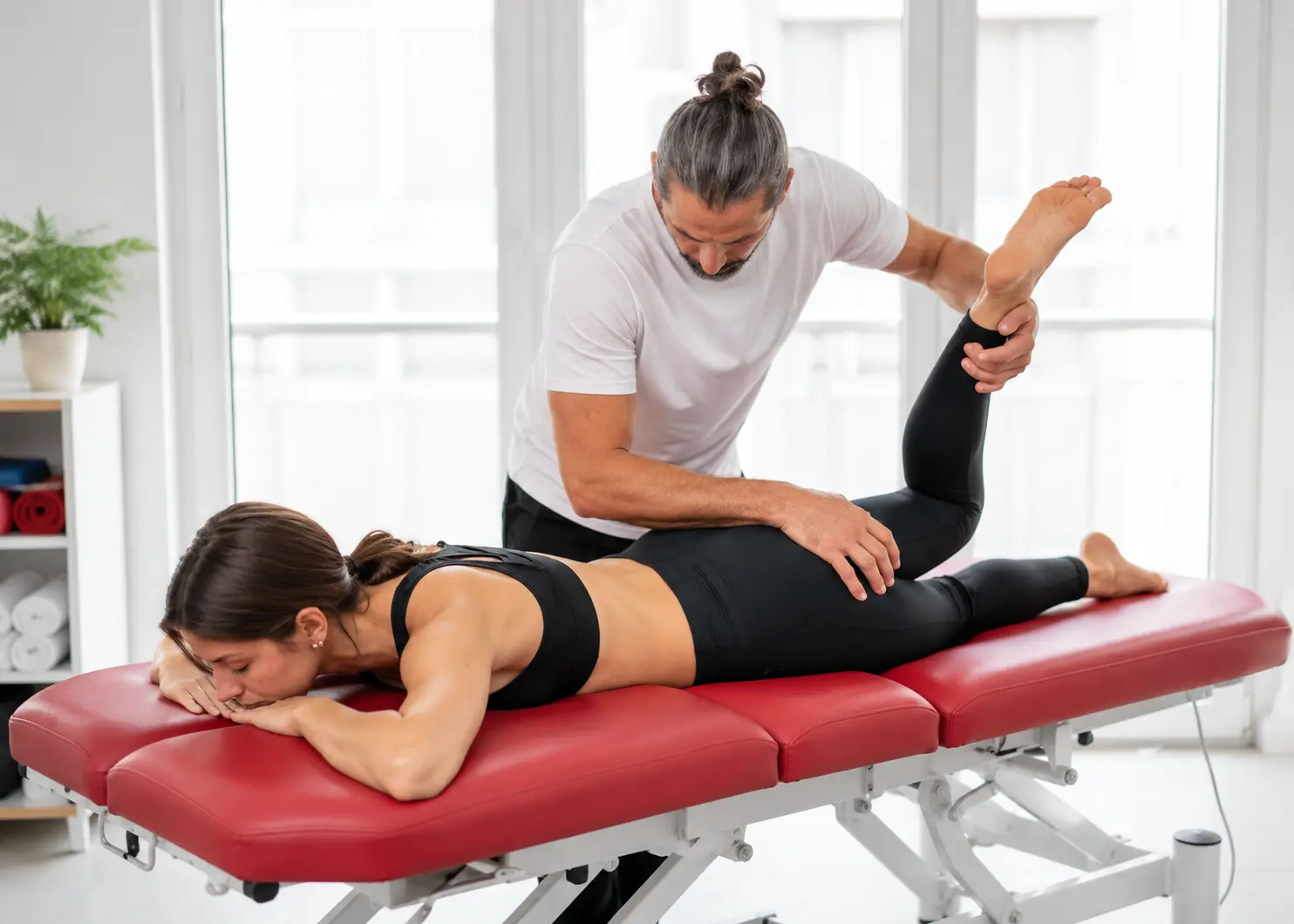
Detailed evaluation of neck pain, posture, mobility, and nerve symptoms to create a personalized treatment plan.
ASSESSMENT & EVALUATION
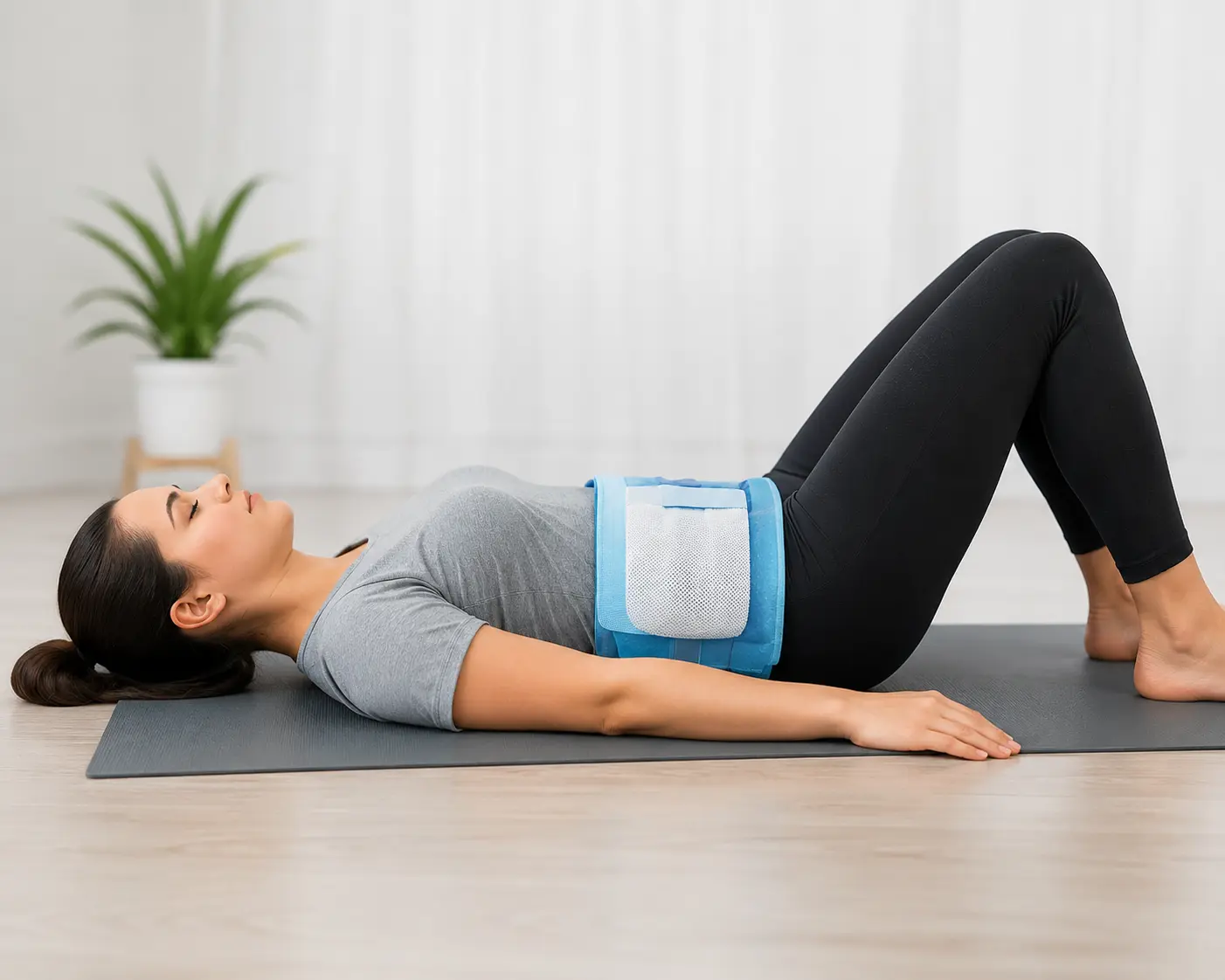
Gentle stretching exercises help improve neck flexibility, reduce muscle tightness, relieve stiffness, and enhance overall neck mobility.
NECK STRETCHING EXERCISES
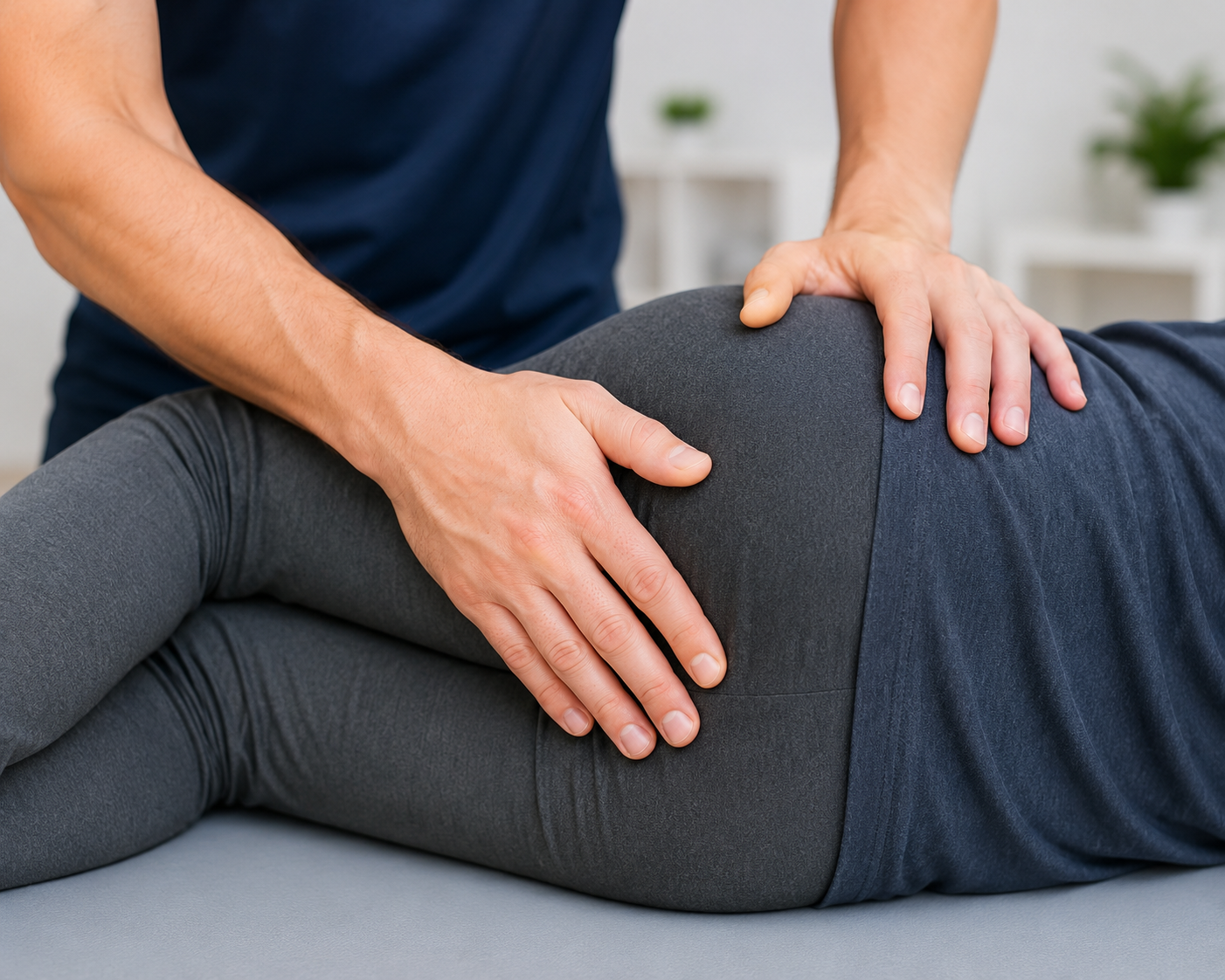
Hands-on techniques are used to reduce pain, relieve muscle tension, improve joint mobility, and restore normal neck movement.
MANUAL THERAPY

Therapeutic modalities such as heat therapy, ultrasound, and electrical stimulation help reduce pain, muscle spasm, and inflammation while promoting healing.
MODALITIES (PAIN RELIEF)
Targeted exercises help improve posture, strengthen neck and shoulder muscles, reduce strain on the cervical spine, and prevent recurring symptoms.
POSTURE CORRECTION & STRENGTHENING
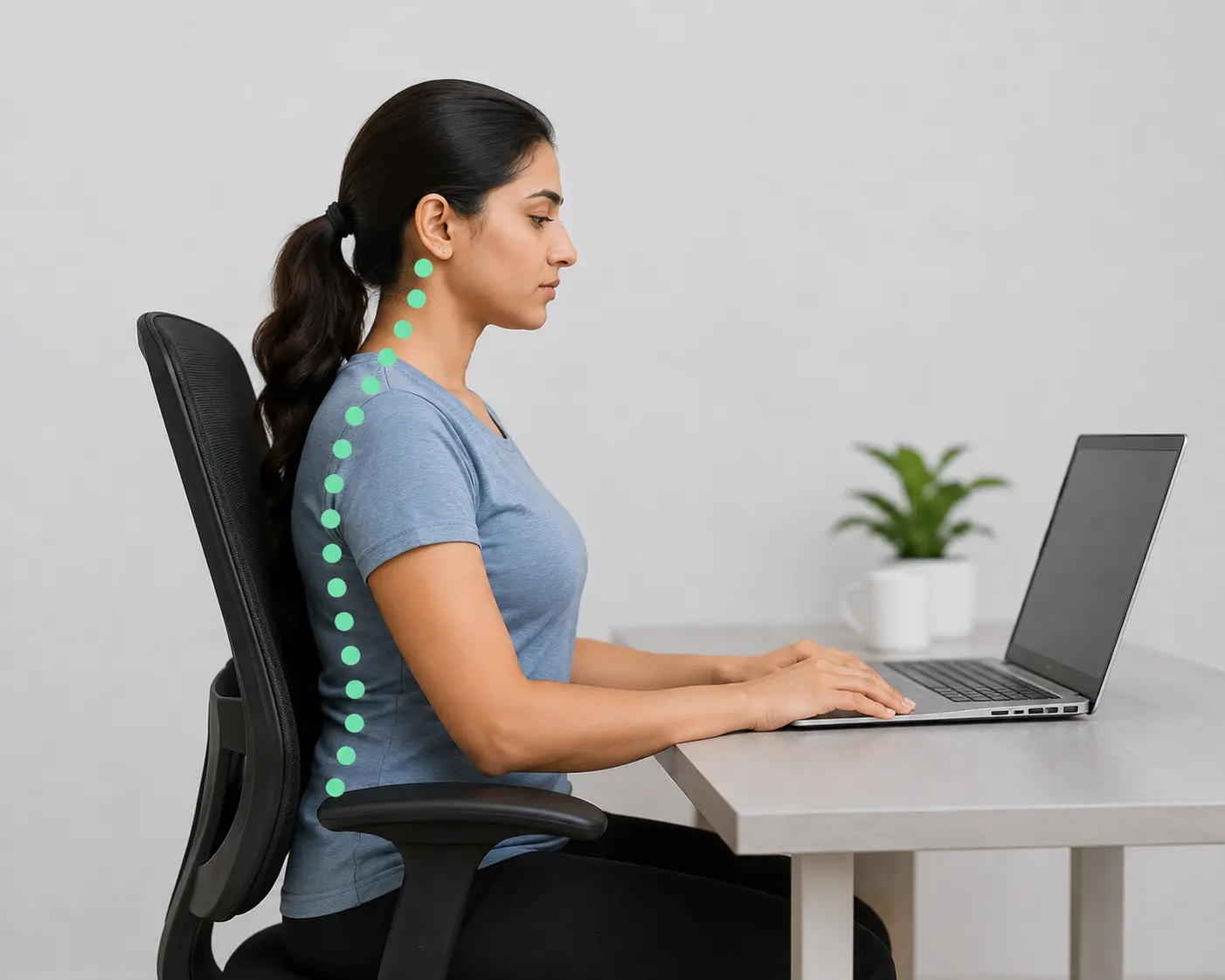
Guidance on proper posture, workstation setup, and daily activities to reduce neck strain, prevent discomfort, and support long-term spinal health.
ERGONOMIC ADVICE

Simple lifestyle changes, including regular exercise, proper posture, stress management, and healthy habits, help reduce neck pain and improve overall spinal health.
LIFESTYLE MODIFICATION

A customized home exercise program and preventive strategies help maintain neck mobility, reduce pain, and prevent future episodes of cervical discomfort.
HOME PROGRAM & PREVENTION
Table of Contents
Understanding Sciatica and Sciatic Nerve Pain
Sciatica Physiotherapy in Gurugram is a term commonly used to describe pain that travels along the path of the sciatic nerve. The symptoms may begin in the lower back or buttock and travel down one leg. Depending on the underlying cause and individual condition, the intensity and location of pain can vary.
Sciatica Physiotherapy in Gurugram in Some people experience mild discomfort, while others may experience pain that affects walking, sitting, standing, sleeping, or performing daily activities. A proper assessment can help identify the factors contributing to the symptoms and determine an appropriate rehabilitation approach.
At Revive Physio Clinics, we provide personalized Sciatica Physiotherapy in Gurugram to help individuals improve mobility, movement, strength, and overall physical function.
Common Symptoms of Sciatica
Sciatica symptoms can differ from person to person. Common symptoms may include:
- Pain in the lower back
- Pain travelling from the buttock into the leg
- Sharp or burning sensations
- Tingling or pins-and-needles sensations
- Numbness in parts of the leg or foot
- Muscle weakness in the affected leg
- Difficulty sitting for long periods
- Pain while standing or walking
- Discomfort during certain movements
Persistent or severe symptoms should be properly assessed by a qualified healthcare professional.
What Can Cause Sciatica?
Sciatica symptoms can occur when the sciatic nerve or nerve roots in the lower back become irritated or compressed. Several conditions may contribute to this problem.
Disc-Related Problems
Changes involving the spinal discs may sometimes irritate nearby nerve structures and contribute to pain travelling into the leg.
Muscle Tightness
Tightness in muscles around the lower back, hips, and buttocks may affect movement and contribute to discomfort.
Poor Movement Patterns
Repeated movements, prolonged sitting, improper lifting techniques, or poor movement habits may increase stress on the lower back.
Prolonged Sitting
Sitting for extended periods without regular movement breaks may contribute to stiffness and discomfort in some individuals.
Sudden Physical Activity
A sudden increase in exercise, lifting, or physically demanding activity may place additional stress on the lower back and surrounding structures.
Comprehensive Assessment for Sciatica
Before beginning a rehabilitation program, a physiotherapist performs an assessment to understand your symptoms and functional limitations.
The assessment may include evaluation of:
- Lower back mobility
- Hip movement
- Muscle flexibility
- Core and lower limb strength
- Walking patterns
- Functional movements
- Daily activity requirements
- Posture and movement habits
This information helps develop a personalized Sciatica Physiotherapy in Gurugram and rehabilitation plan based on individual requirements.
Personalized Sciatica Physiotherapy Treatment in Gurugram
Every individual experiences sciatica differently. For this reason, a personalized approach is important.
Our Sciatica Physiotherapy in Gurugram program may include appropriate rehabilitation techniques based on your assessment and clinical requirements.
Lower Back Mobility Exercises
Specific mobility exercises may help improve movement in the lower back and reduce stiffness.
Nerve Mobility Exercises
When clinically appropriate, physiotherapists may use specific exercises designed to support comfortable nerve movement and mobility.
Manual Therapy
Manual therapy techniques may be used to address stiffness, improve mobility, and reduce muscle tension based on individual assessment findings.
Core Strengthening
The muscles around the abdomen, pelvis, and lower back play an important role in supporting movement and stability. Strengthening programs may help improve functional control.
Hip and Leg Strengthening
Strengthening the hips and lower limbs can support better movement patterns and overall physical function.
Stretching and Flexibility Exercises
Targeted stretching may help improve flexibility in muscles that influence lower back and hip movement.
The Importance of Sciatica Physiotherapy in Gurugram
Core stability is an important part of rehabilitation for many lower back conditions. The muscles around the abdomen, pelvis, and lower back work together to support controlled movement.
A structured exercise program may focus on improving:
- Core muscle control
- Lower back stability
- Pelvic control
- Hip strength
- Functional movement patterns
Exercises should always be selected and progressed according to individual ability and symptoms.
Sciatica and Daily Activities
Sciatica Physiotherapy in Gurugram can make simple daily activities difficult. Sitting at work, driving, bending, lifting objects, walking, and sleeping may become uncomfortable.
Physiotherapy can provide practical guidance for managing daily activities and improving movement habits.
Your rehabilitation program may include advice regarding:
- Sitting posture and regular movement breaks
- Safe lifting techniques
- Gradual return to physical activities
- Exercise modification
- Managing prolonged standing
- Improving movement efficiency
Sciatica Physiotherapy in Gurugram for Working Professionals
Long hours of desk work and prolonged sitting can contribute to lower back stiffness and discomfort. Working professionals may benefit from understanding how regular movement and appropriate exercise can support better physical function.
Simple strategies may include taking regular movement breaks, avoiding prolonged static positions, maintaining appropriate workstation habits, and following a physiotherapist-recommended exercise program.
Gradual Return to Normal Activities
Returning to normal activities should be based on your symptoms, functional ability, and rehabilitation progress. Increasing activity levels too quickly may increase discomfort in some cases.
A structured rehabilitation program can help individuals gradually progress through different stages, including:
- Improving comfortable movement
- Increasing mobility
- Building strength
- Improving balance and control
- Increasing walking tolerance
- Returning to work activities
- Returning gradually to exercise or sports
Home Exercise Program for Sciatica
A personalized home exercise program can be an important part of physiotherapy rehabilitation. Depending on your condition, your physiotherapist may recommend exercises focused on mobility, flexibility, strength, and movement control.
Consistency with the recommended exercise program can help support rehabilitation progress. Exercises should be performed according to professional guidance and adjusted when necessary.
