

Blog” class=”wp-block-heading”>Blog
Welcome to the Revive Physio Clinic, your resource for understanding pain, improving mobility, and supporting a healthier lifestyle. Explore informative articles about common musculoskeletal conditions, therapeutic exercises, injury prevention, and rehabilitation. Our educational guides cover topics such as back pain, knee pain, shoulder problems, sports injuries, and post-injury recovery. Learn about treatment approaches and practical ways to support your movement and everyday activities. If you are experiencing persistent pain or difficulty moving, consult a qualified physiotherapist for an assessment and personalized guidance.
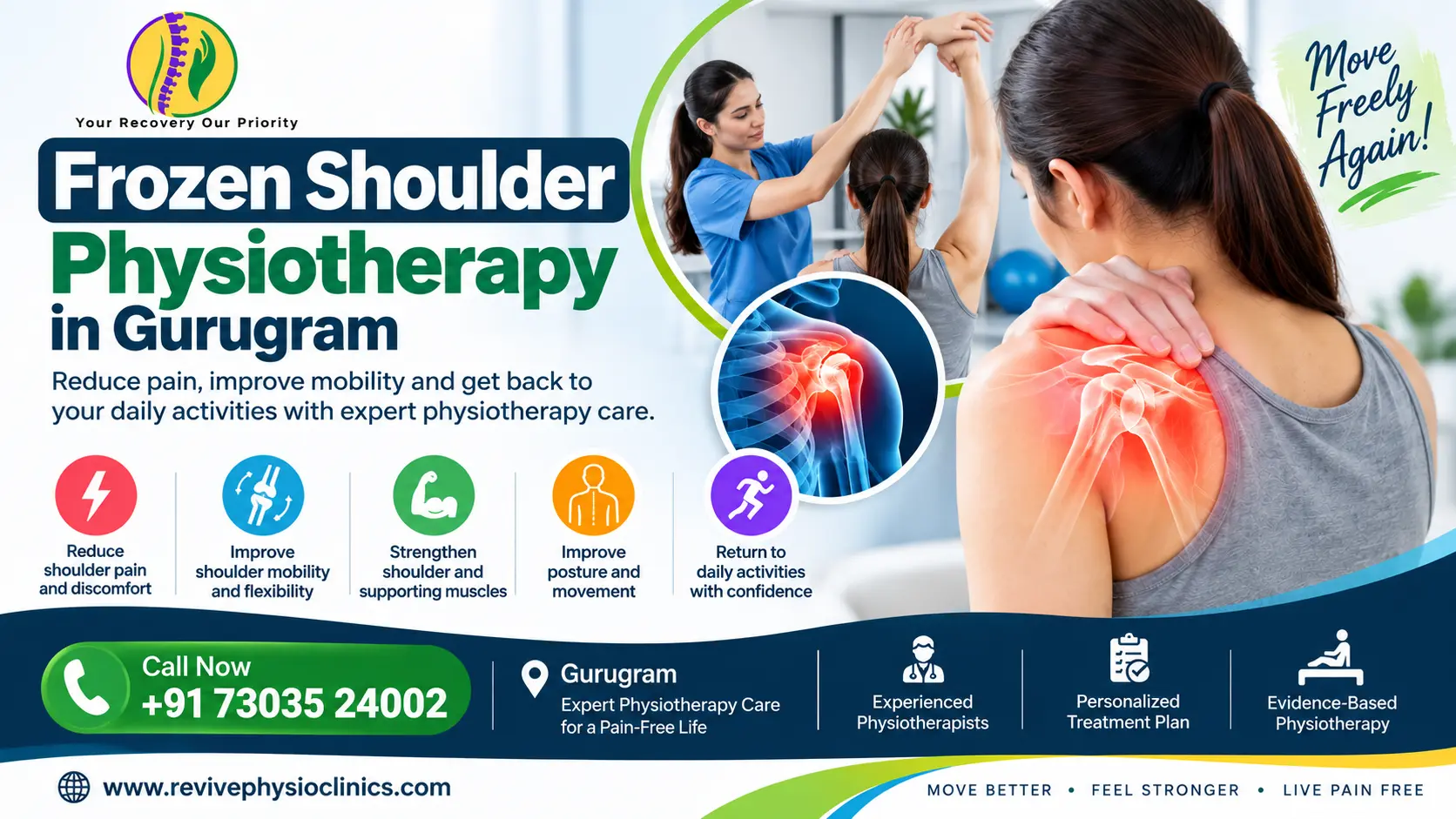
Frozen Shoulder Physiotherapy Treatment: Exercises, Treatment & Recovery Guide
Frozen shoulder can make simple movements such as reaching…
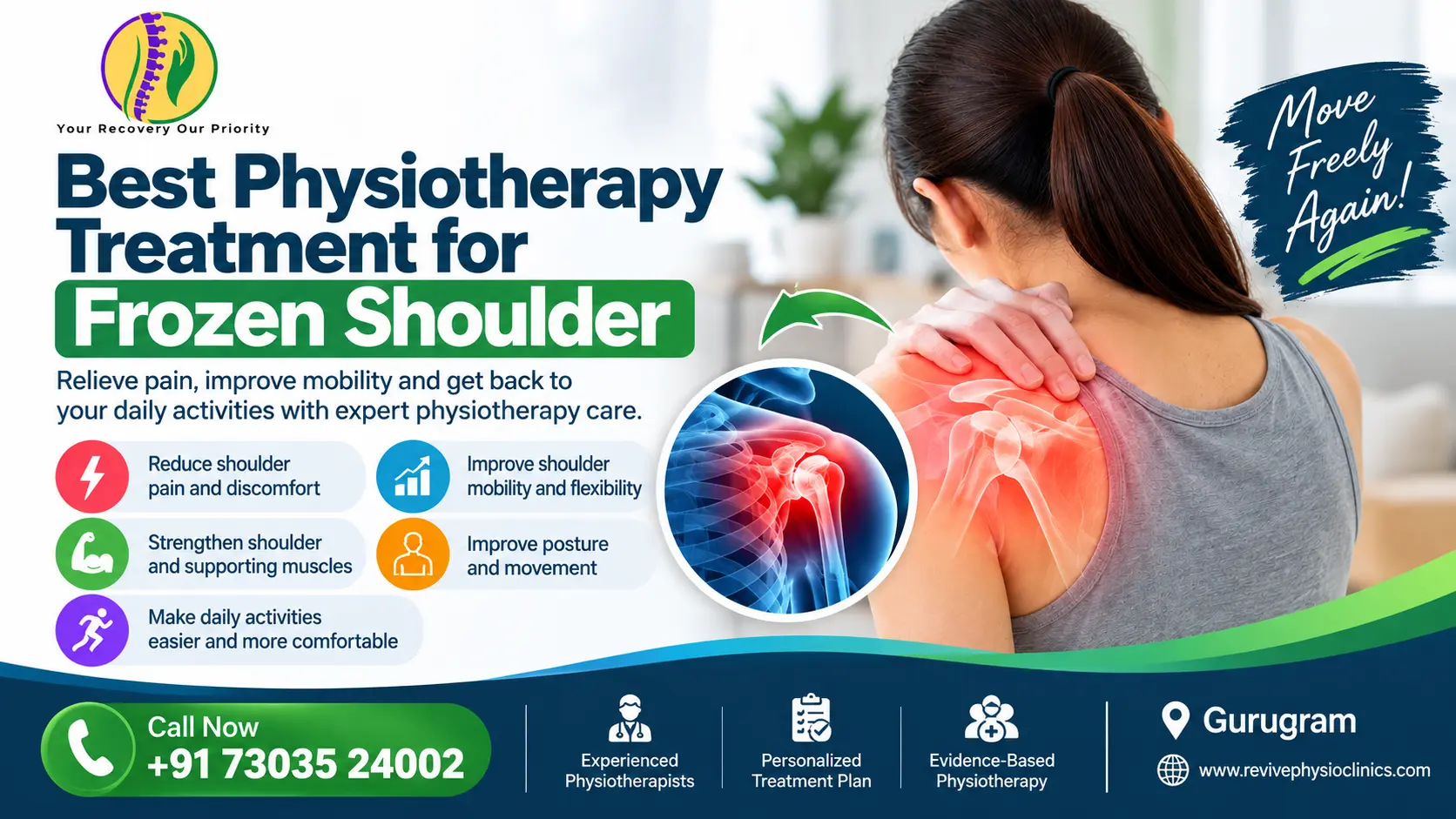
Best physiotherapy treatment for frozen shoulder: A Complete Guide
Best physiotherapy treatment for frozen shoulder, also known as…
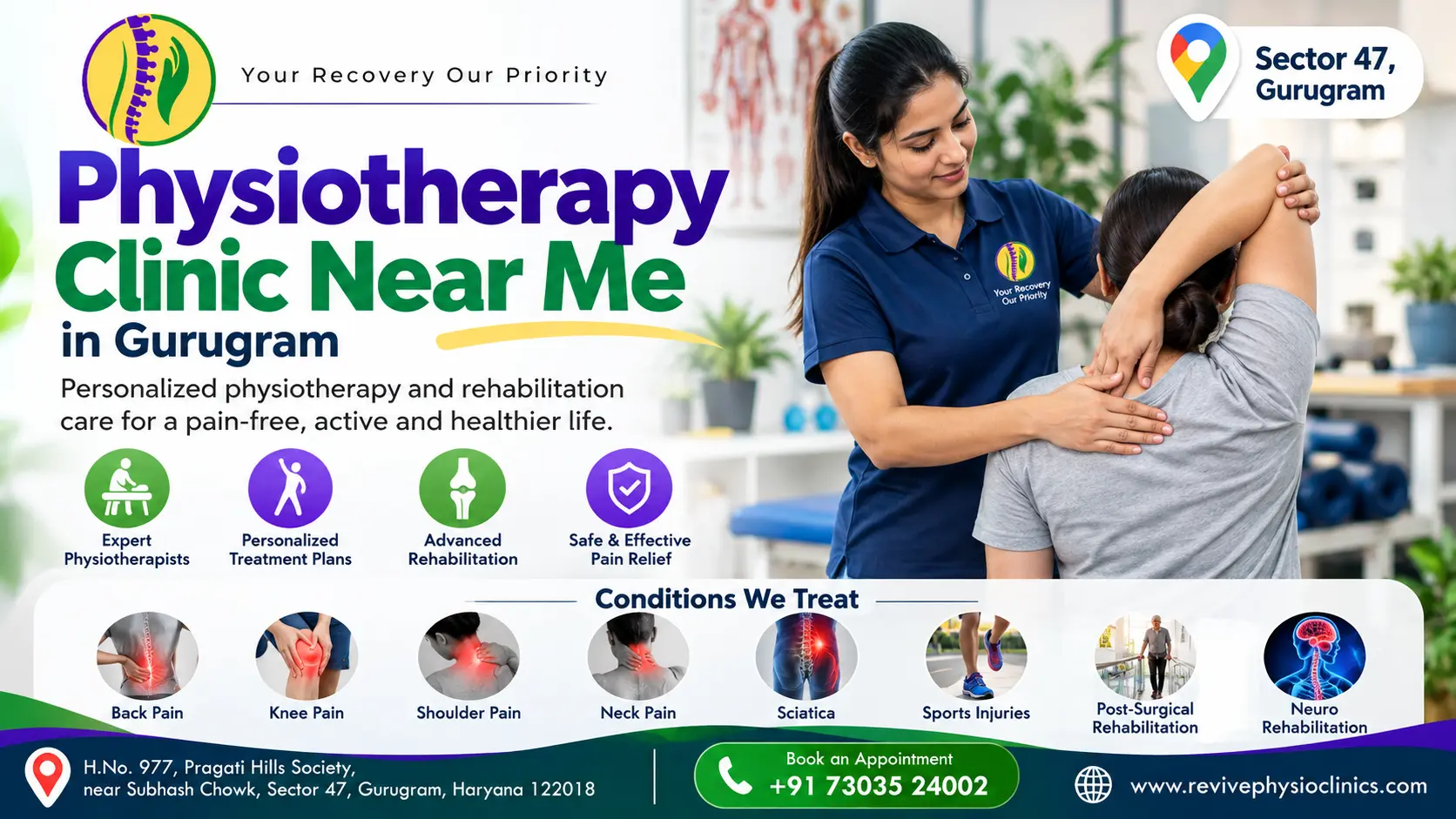
Physiotherapy Clinic Near Me in Gurugram
Looking for a Physiotherapy Clinic Near Me in Gurugram?…
Frozen Shoulder: Causes, Symptoms, Stages, and Physiotherapy Treatment
Frozen Shoulder Physiotherapy, medically known as adhesive capsulitis, is…
Tips for Active Living
Receive therapy insights, recovery support, and wellness tips monthly.
Table of Contents
Physiotherapy Blog Tips and Recovery Guides
Welcome to the Revive Physio Clinic blog, where you can explore educational resources about physiotherapy, pain management, rehabilitation, and better movement.
Our articles cover common conditions such as back pain, knee pain, frozen shoulder, sciatica, sports injuries, and neck pain. Learn about possible causes, common symptoms, rehabilitation approaches, and practical ways to support your everyday movement.
Learn About Common Conditions
Understanding a condition can help you make informed decisions about seeking care. Explore our educational guides to learn about symptoms, contributing factors, assessment, and available physiotherapy approaches.
Explore Physiotherapy and Rehabilitation
Physiotherapy may include individualized therapeutic exercises, movement training, education, and other interventions selected according to a person’s assessment and needs. Our articles explain these approaches and discuss their role in rehabilitation.
Your Guide to Physiotherapy, Pain Relief and Recovery
Welcome to the Revive Physio Clinic Physiotherapy Blog, a place to explore educational information about physical health, pain management, rehabilitation, and improving everyday movement. Our aim is to help readers understand common physical conditions and learn about physiotherapy approaches that may support their individual recovery goals.
Whether you are experiencing back discomfort, knee pain, shoulder stiffness, or difficulty moving after an injury, understanding your condition can be an important step towards making informed decisions about your health.
Explore our articles to learn about common symptoms, possible contributing factors, physiotherapy assessment, rehabilitation techniques, and ways to maintain physical function.
Why Is Physiotherapy Important for Pain Management?
Pain can affect many aspects of everyday life, including walking, sitting, working, exercising, and sleeping. Physiotherapy focuses on assessing movement, identifying relevant physical impairments, and developing an individualized treatment plan based on a person’s condition and goals.
Depending on the assessment, physiotherapy may include therapeutic exercises, movement training, manual therapy, education, and functional rehabilitation. The appropriate approach varies according to the diagnosis, symptoms, medical history, and individual needs.
Our physiotherapy blog provides educational information to help you understand these approaches and learn what questions you may wish to discuss with a qualified healthcare professional.
Explore Our Physiotherapy Topics
1. Back Pain and Neck Pain
Back and neck discomfort can have different contributing factors, including muscle strain, changes in activity levels, and certain spinal conditions. Explore our articles to learn about common symptoms, movement considerations, posture, and rehabilitation approaches.
2. Knee Pain and Joint Rehabilitation
Knee pain may occur following an injury, during physical activity, or alongside certain joint conditions. Our educational guides discuss common causes of knee discomfort, mobility considerations, strengthening exercises, and rehabilitation following selected knee injuries.
3. Shoulder Pain and Frozen Shoulder
Shoulder pain and restricted movement can make everyday tasks such as dressing, reaching, and lifting difficult. Learn about conditions such as frozen shoulder, rotator cuff injuries, and shoulder impingement, along with the role of assessment and individualized rehabilitation.
4. Sciatica and Nerve-Related Symptoms
Sciatica and other nerve-related conditions may cause pain, tingling, numbness, or changes in sensation. Our articles help explain these symptoms, discuss the importance of clinical assessment, and provide educational information about appropriate management approaches.
5. Sports Injuries and Physical Rehabilitation
Returning to sport after an injury may require a gradual rehabilitation process. Explore information about injury recovery, strength, flexibility, balance, movement control, and the importance of progressing activity according to individual recovery and professional guidance.
6. Neurological Physiotherapy
Neurological conditions can affect balance, coordination, strength, and functional movement. Learn about rehabilitation approaches that may help people work towards individual mobility and daily activity goals following appropriate assessment.
How Can Physiotherapy Support Better Mobility?
Mobility is important for everyday activities, independence, and participation in work, recreation, and exercise. When pain, weakness, stiffness, or an injury affects movement, a physiotherapist can assess the factors contributing to the difficulty and discuss suitable rehabilitation options.
Depending on individual needs, a physiotherapy programme may focus on:
- Improving joint movement and flexibility.
- Developing strength and muscular endurance.
- Practising balance, coordination, and functional movement.
- Gradually rebuilding tolerance for everyday activities.
- Supporting a safe and appropriate return to exercise or sport.
- Providing education about activity modification and self-management.
Progress varies from person to person. A rehabilitation plan should be reviewed and adjusted according to symptoms, assessment findings, and functional goals.
