

Expert Care for Frozen Shoulder Relief
Recover from Frozen Shoulder with evidence-based physiotherapy techniques that reduce pain, improve mobility, and help you return to daily activities with confidence.

Comprehensive assessment of shoulder pain, range of motion, strength, posture, and functional limitations to identify the underlying cause and develop a personalized treatment plan.
ASSESSMENT & EVALUATION

Targeted physiotherapy techniques including manual therapy, heat therapy, and pain-relief modalities to reduce inflammation, discomfort, and muscle guarding.
PAIN MANAGEMENT
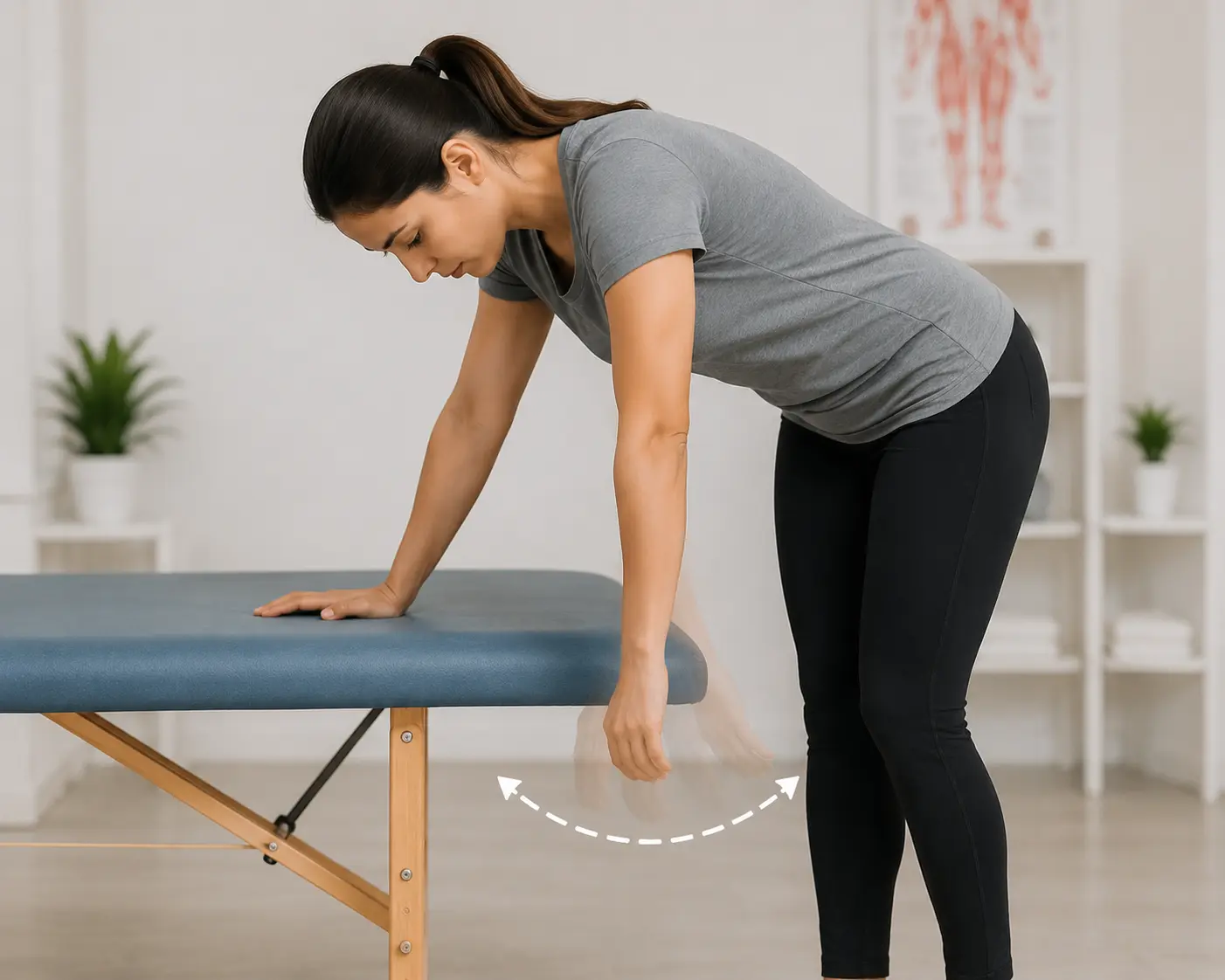
Gentle pendulum movements designed to improve joint lubrication, decrease stiffness, and promote pain-free shoulder mobility during the early recovery phase.
PENDULUM EXERCISES

Guided stretching using sticks, pulleys, or therapist assistance to gradually restore shoulder flexibility and increase movement without aggravating symptoms.
ASSISTED RANGE MOTION
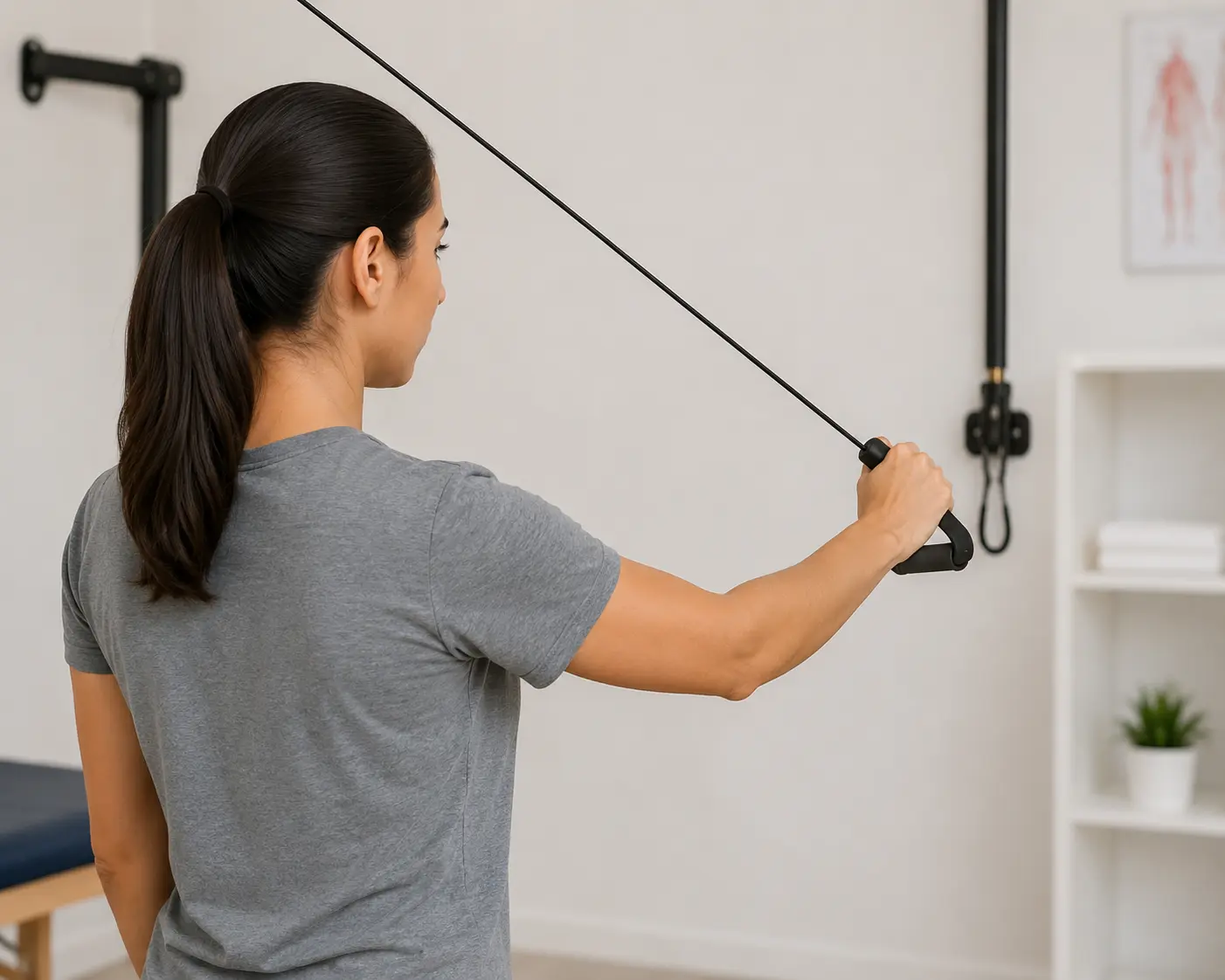
Specific shoulder stretches targeting the joint capsule and surrounding muscles to improve flexibility, reduce tightness, and enhance mobility.
STRETCHING EXERCISES

Progressive resistance exercises to strengthen the rotator cuff, scapular stabilizers, and shoulder muscles for improved support and function.
STRENGTHENING EXERCISES

Task-specific exercises focused on restoring daily activities such as reaching, lifting, dressing, and overhead movements with confidence and control.
FUNCTIONAL TRAINING
.

Long-term maintenance strategies including posture correction, home exercise programs, ergonomic guidance, and lifestyle modifications to prevent recurrence.
