

Specialized Spinal Cord Rehabilitation Program
Early physiotherapy and rehabilitation help improve mobility, build strength, restore function, and promote greater independence for a better quality of life.
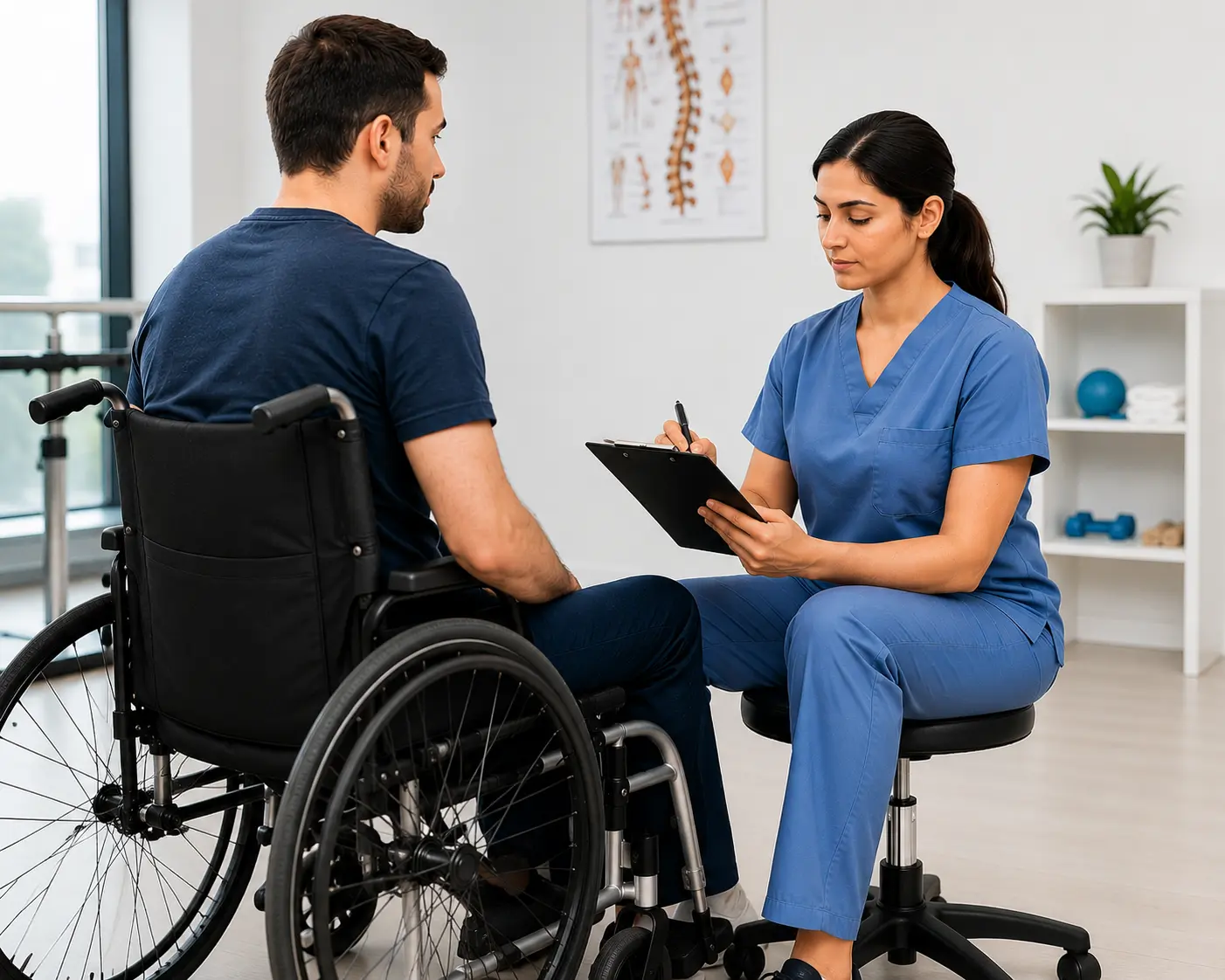
The assessment phase helps physiotherapists understand the severity of the spinal cord injury and identify the patient’s specific needs. Clear goals provide a structured roadmap for recovery and maximize rehabilitation outcomes.
ASSESSMENT & GOAL SETTING
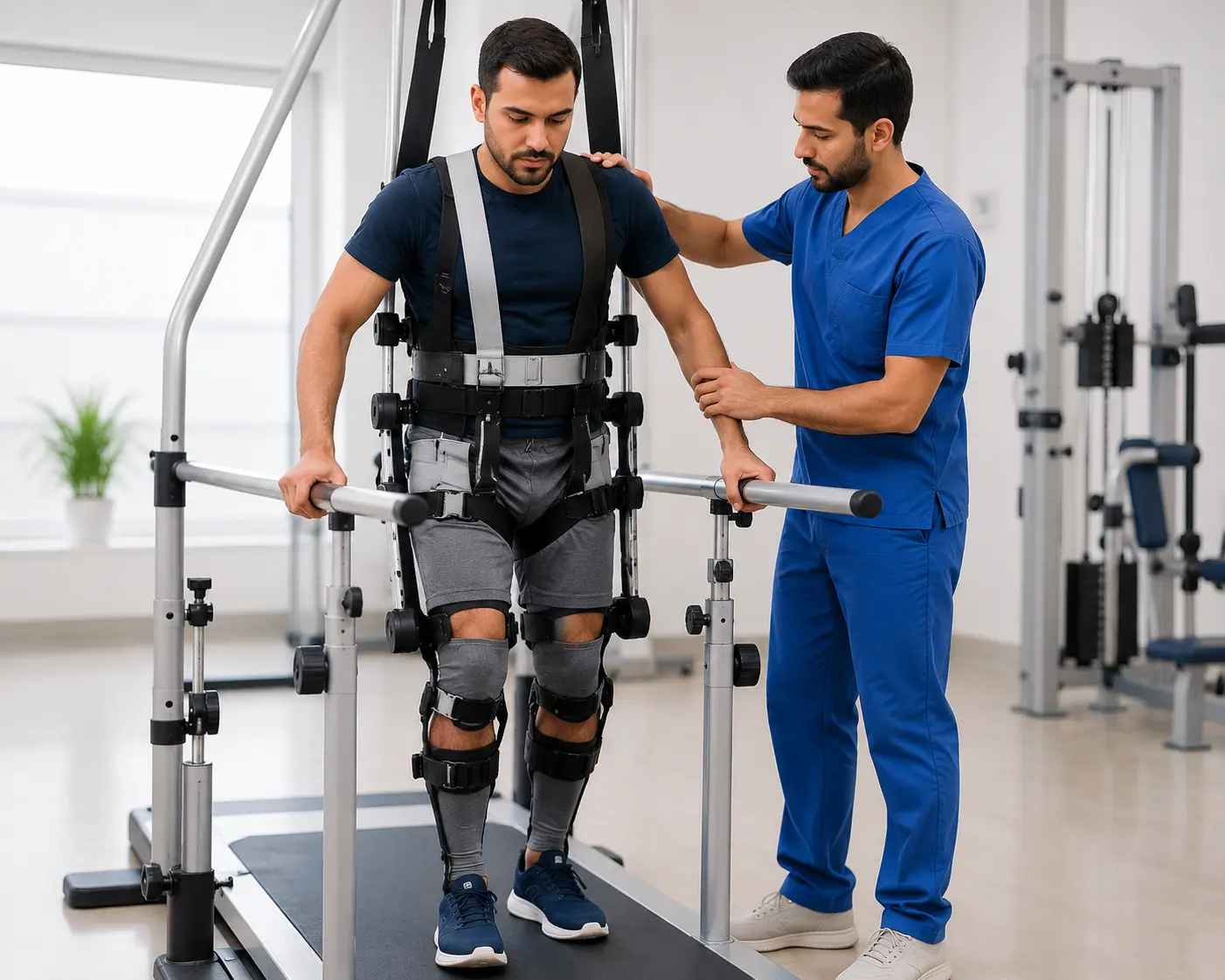
Training focused on bed mobility, wheelchair transfers, sitting balance, standing techniques, and daily movement skills to promote independence and confidence.
MOBILITY & TRANSFER TRAINING

Targeted exercises designed to strengthen muscles, improve endurance, enhance posture, and increase overall physical performance for daily activities.
STRENGTH & CONDITIONING
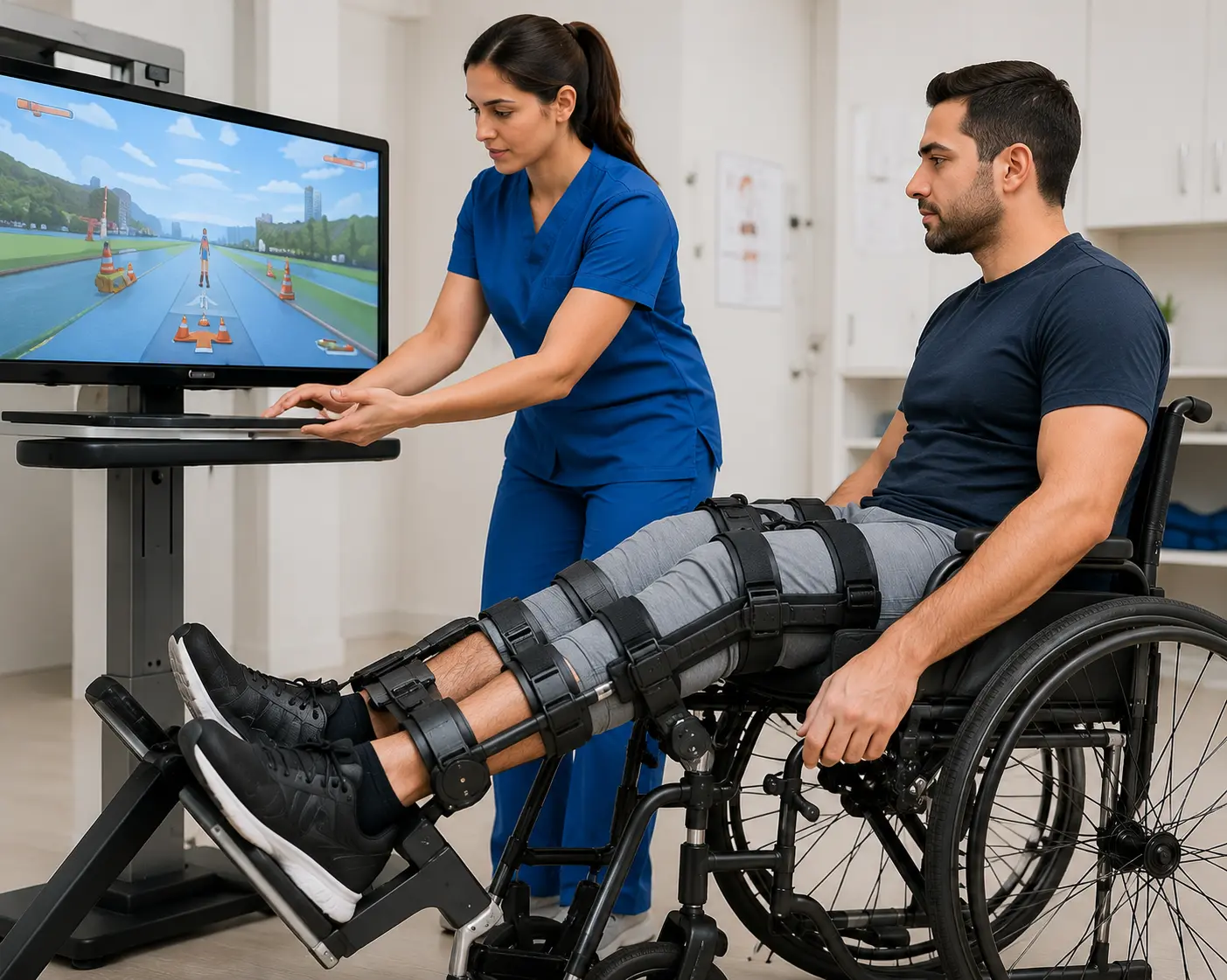
Specialized therapeutic exercises that help restore muscle control, improve coordination, and maximize functional recovery through neuromuscular stimulation.
NEUROMUSCULAR RE-EDUCATION
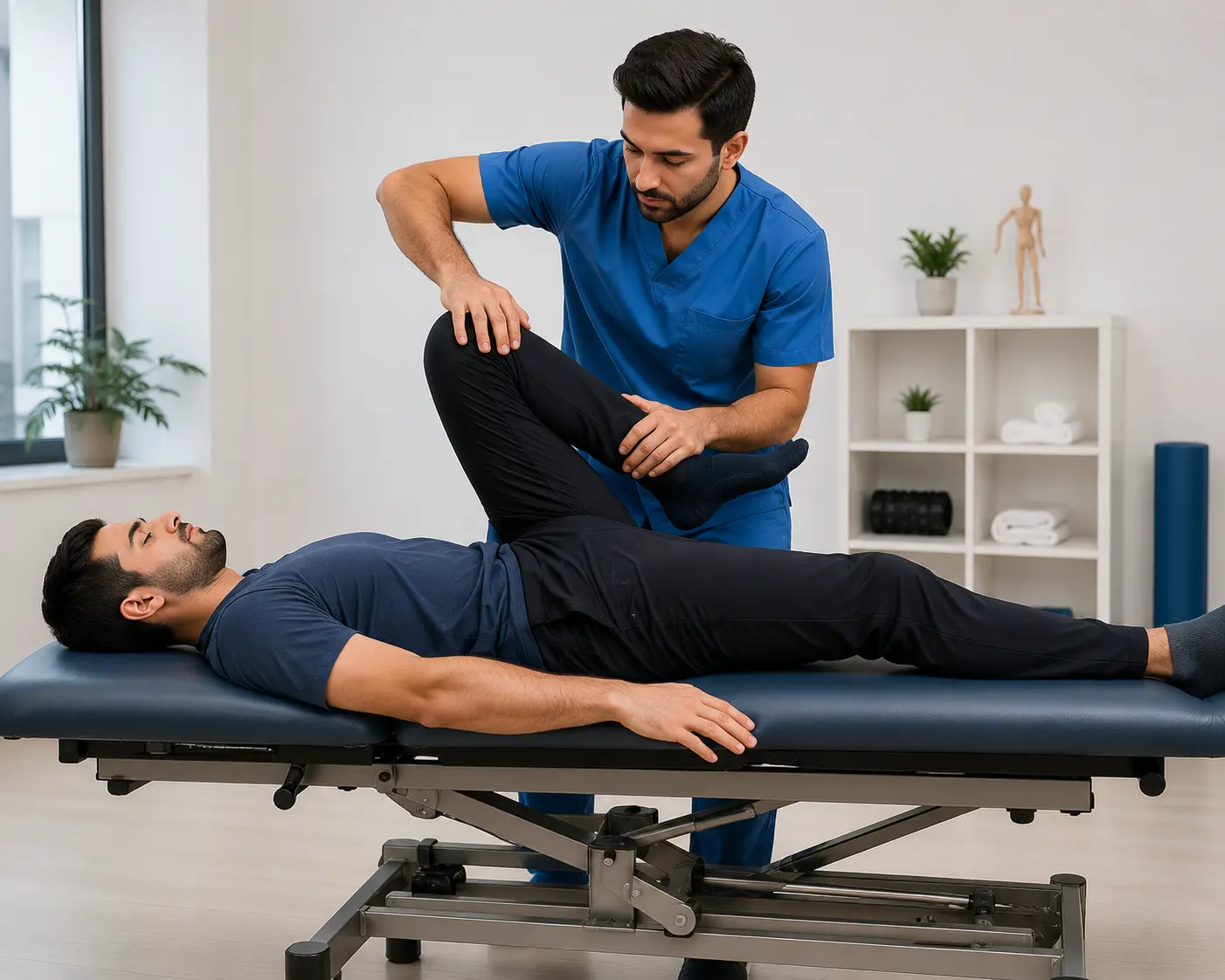
Therapeutic techniques including stretching, positioning, and manual therapy to decrease spasticity, improve flexibility, and enhance comfort.
SPASTICITY MANAGEMENT
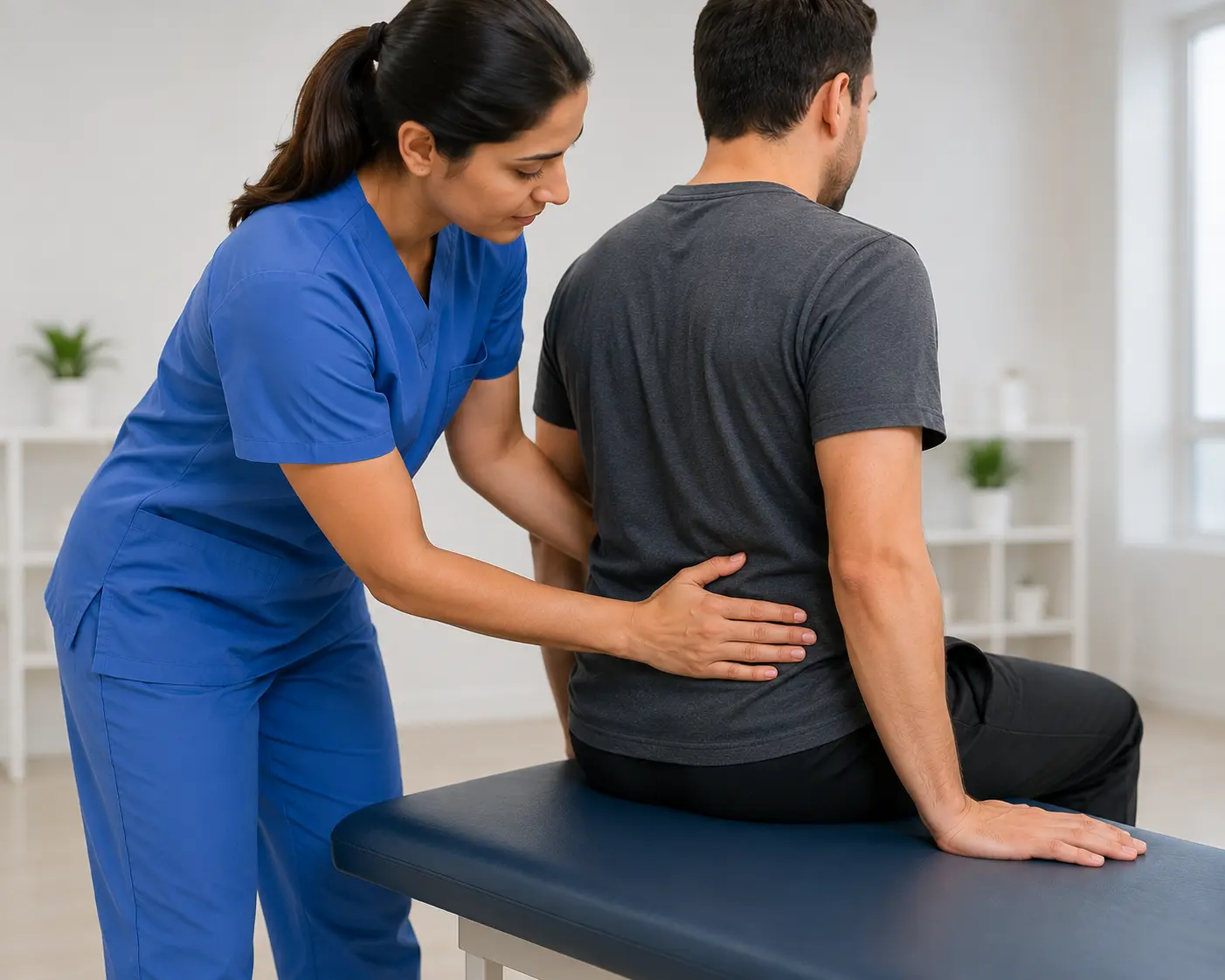
Education and management strategies to improve bladder and bowel control, promote comfort, and enhance quality of life.
BLADDER & BOWEL MANAGEMENT
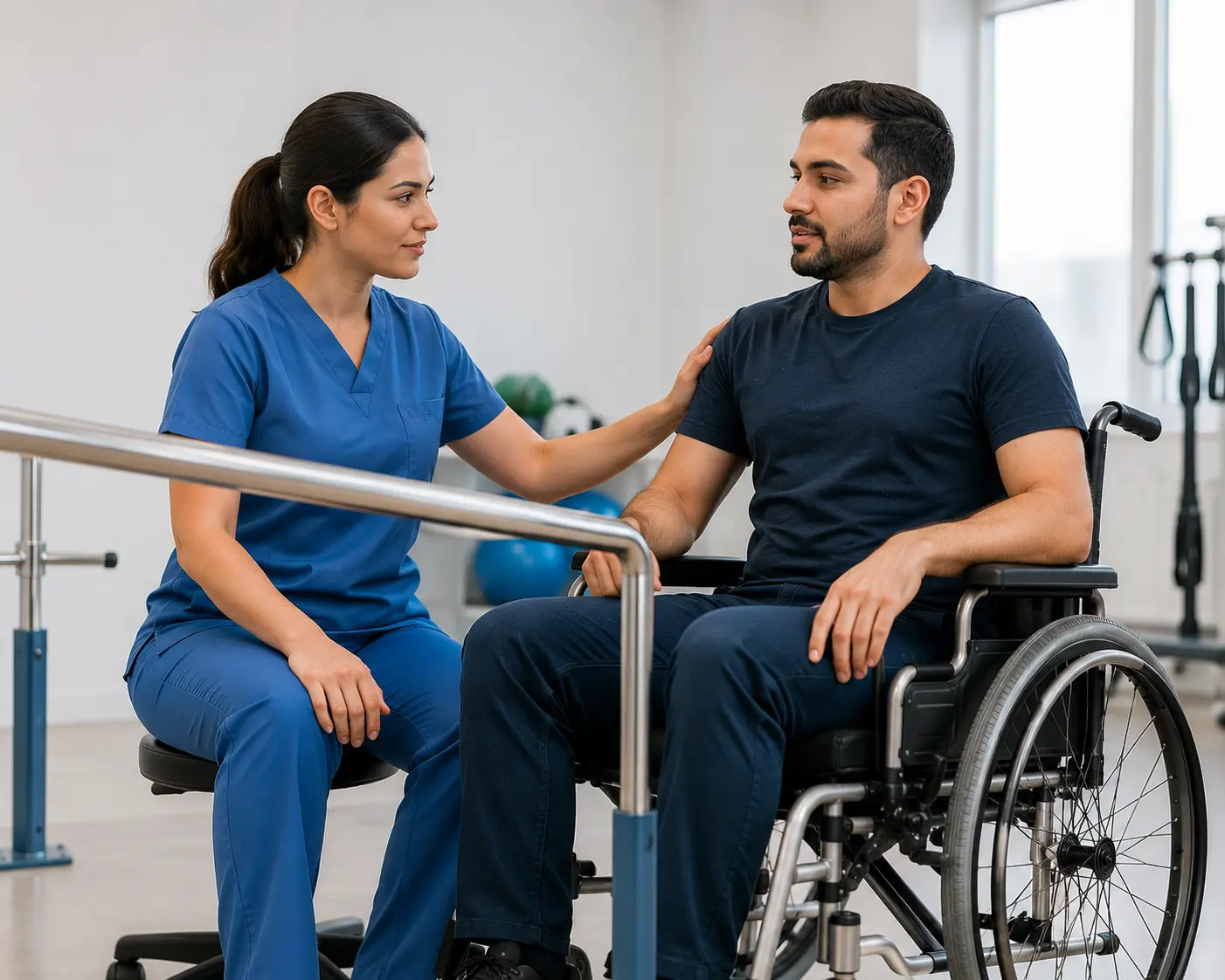
Counseling and emotional support services that help patients and families cope with challenges, build confidence, and stay motivated throughout recovery.
PSYCHOLOGICAL SUPPORT
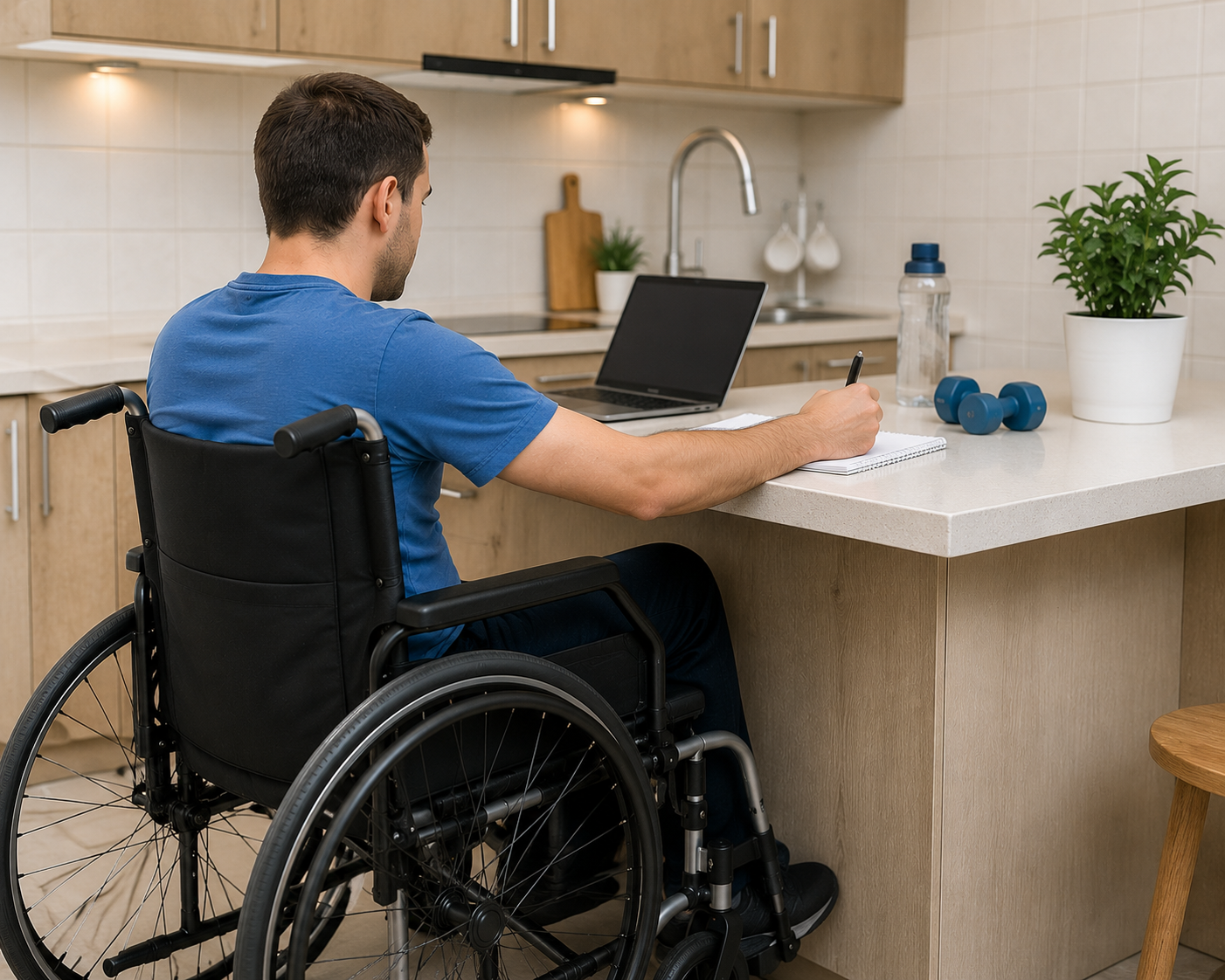
Functional recovery and home care focus on restoring normal facial movements, improving daily function, and maintaining progress through regular exercises and self-care techniques at home.
