

Frozen Shoulder
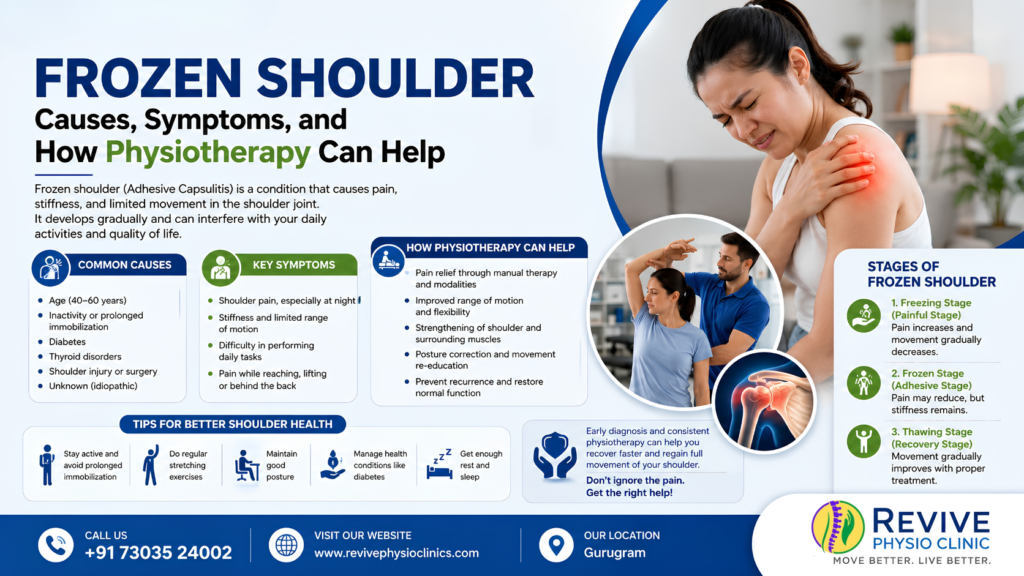
Frozen shoulder, also known as adhesive capsulitis, is a condition characterized by persistent pain, stiffness, and a significant reduction in the range of motion in the shoulder joint. The onset is often gradual, and over time, it can lead to challenges in performing everyday activities such as reaching for items on a shelf, getting dressed, or even simple tasks like combing your hair. Understanding the complexities of this condition is crucial, as it can significantly impact quality of life. In fact, many individuals may find that their ability to participate in work, hobbies, or family interactions is hampered due to the restrictions caused by frozen shoulder.
The good news for individuals suffering from frozen shoulder is that physiotherapy is one of the most effective non-surgical treatments available. Physiotherapy not only helps restore mobility but also serves to reduce pain over time. Through a combination of hands-on therapy, targeted exercises, and personalized care, physiotherapy can facilitate a gradual return to normal function. Reports have shown that patients who actively engage in a structured physiotherapy program often experience marked improvements in their condition, leading to enhanced daily living and a greater sense of well-being.
What Causes Frozen Shoulder?
What Causes Frozen Shoulder?
Frozen shoulder develops when the capsule that encases the shoulder joint becomes inflamed and tight, leading to restricted movement and discomfort. Various factors can contribute to the onset of this condition, and understanding these causes is essential for effective management. Common causes of frozen shoulder include:
- Shoulder injury or trauma
- Prolonged immobilization after surgery or fracture
- Diabetes
- Thyroid disorders
- Age-related joint changes (most common between 40–60 years)
Common Symptoms
Individuals suffering from frozen shoulder often report a range of symptoms that can severely limit their daily activities. You may have frozen shoulder if you experience:
You may have frozen shoulder if you experience:
- Persistent shoulder pain
- Difficulty lifting your arm
- Stiffness that gradually worsens
- Pain while sleeping on the affected side
- Limited range of motion during daily activities
The condition typically progresses through three distinct stages: freezing, where pain begins to increase; frozen, where stiffness becomes severe and limits the range of motion; and thawing, during which movement gradually improves. Understanding these stages is critical for both diagnosis and treatment, as each stage requires different therapeutic approaches.
How Physiotherapy Helps
At Revive Physio Clinic, we specialize in developing personalized treatment plans tailored to help you recover from frozen shoulder safely and effectively. Your treatment may include:
At Revive Physio Clinic, we develop personalized treatment plans to help you recover safely and effectively. Your treatment may include:
- Comprehensive shoulder assessment
- Pain-relieving manual therapy
- Gentle joint mobilization techniques
- Stretching exercises to improve flexibility
- Strengthening exercises for shoulder muscles
- Posture correction
- Home exercise program for faster recovery
Regular physiotherapy sessions can significantly improve shoulder movement, reduce pain, and help you return to your daily routine without discomfort. Many of our patients report a renewed sense of freedom and functionality after completing their tailored programs, enabling them to enjoy life fully again.
Tips to Prevent Shoulder Stiffness
Preventing the onset of frozen shoulder involves being proactive about your shoulder health. Here are some practical tips that can help:
- Keep your shoulder moving after minor injuries, as advised by your healthcare provider.
- Maintain good posture while sitting and working.
- Perform regular shoulder stretching exercises.
- Avoid repetitive overhead activities without proper conditioning.
- Seek early treatment if shoulder pain persists.
Why Choose Revive Physio Clinic?
At Revive Physio Clinic, our experienced physiotherapists utilize evidence-based treatment techniques tailored to each patient’s unique condition. We prioritize identifying the root cause of your shoulder problem and create a customized rehabilitation program aimed at promoting long-term recovery. Our commitment to patient education and active involvement in the treatment process sets us apart, ensuring that you understand your condition and are equipped with strategies for maintaining your shoulder health.
Our experienced physiotherapists use evidence-based treatment techniques tailored to each patient’s condition. We focus on identifying the root cause of your shoulder problem and creating a customized rehabilitation program that promotes long-term recovery.
Take the First Step Towards Pain-Free Movement
Don’t let frozen shoulder dictate your quality of life. Early physiotherapy can significantly shorten recovery time, enhance flexibility, and restore normal shoulder function. Taking action now may prevent long-term complications and improve your overall well-being.
Don’t let frozen shoulder affect your quality of life. Early physiotherapy can shorten recovery time, improve flexibility, and restore normal shoulder function. By taking proactive steps, you can reclaim your mobility and return to your favorite activities without pain. Understanding the treatment options and committing to a recovery plan can make all the difference. If you suspect you have frozen shoulder, it’s essential to seek help as soon as possible.
Frozen shoulder can significantly impact your daily life, making even the most mundane tasks feel daunting. It’s crucial to understand the condition thoroughly to manage it effectively. For example, individuals may find it challenging to participate in sports, engage in hobbies, or even perform work-related activities due to the pain and limited motion caused by the condition.
Additionally, factors such as genetics may play a role in your susceptibility to frozen shoulder. For instance, if you have a family history of shoulder issues, your risk might be higher. Moreover, the psychological impact of dealing with chronic pain can lead to stress and anxiety, further complicating recovery and overall well-being.
Understanding these causes is vital not only for awareness but also for prevention. For example, ensuring that you engage in appropriate rehabilitation exercises after an injury can significantly reduce your risk of developing frozen shoulder.
It’s important to recognize that symptoms can vary greatly from person to person. Some may experience mild discomfort while others could face debilitating pain. This variability emphasizes the need for a tailored approach to treatment, as what works for one individual may not be effective for another.
The stages of frozen shoulder can last for different durations, and understanding this progression can help set realistic expectations for recovery. For example, during the freezing stage, activities that require overhead lifting may become increasingly painful, which can lead to compensatory movements that further exacerbate the condition.
Incorporating specific modalities like ultrasound therapy or electrical stimulation may also enhance physiotherapy outcomes. These techniques can aid in reducing pain and inflammation, promoting faster healing of the affected tissues.
Preventing shoulder stiffness is not just about rehabilitation; it also involves creating a safe environment for your shoulder to thrive. Simple modifications at your workstation can significantly impact your shoulder health. For instance, adjusting your chair height or using ergonomic tools can help maintain proper alignment, reducing unnecessary strain on your shoulder joints.
At Revive Physio Clinic, we take pride in our holistic approach to treatment. This means not only addressing the physical symptoms of frozen shoulder but also considering psychological factors that may influence recovery. Our team collaborates with you to ensure that all aspects of your health are considered in your rehabilitation program.
Furthermore, our clinic provides education about the condition to empower patients. Knowing how frozen shoulder develops and progresses can help you remain motivated throughout your recovery journey. We also encourage open communication, allowing you to voice any concerns or adjustments needed in your treatment plan.
For many individuals, frozen shoulder can significantly impact daily life, making even the simplest of tasks, such as reaching for items on a shelf or putting on a jacket, feel like monumental challenges. This condition often requires a multifaceted approach to treatment, combining physical exercises, proper guidance, and sometimes, advanced therapies to regain full functionality. Understanding frozen shoulder in depth not only aids in quicker recovery but also empowers individuals to manage their condition effectively.
Frozen shoulder is often accompanied by significant discomfort that can hinder daily tasks. Many individuals find it challenging to engage in activities they once enjoyed, leading to frustration and decreased quality of life. For instance, tasks such as driving, carrying groceries, or even participating in sports can become daunting. Understanding the implications of frozen shoulder is crucial for those affected, as it emphasizes the importance of seeking timely treatment.
Throughout these stages, individuals may encounter unique challenges. Understanding the specific symptoms experienced during each stage allows for better coping strategies. For instance, during the freezing phase, applying heat or cold therapy may provide temporary relief, while during the thawing phase, focusing on gentle stretching can help improve mobility more effectively.
Your journey towards recovery begins with understanding your body and being proactive about your health. Regular check-ups and consultations can help monitor your progress and make necessary adjustments to your treatment plan, ensuring a comprehensive approach to managing frozen shoulder.
In the initial phase, known as the freezing stage, patients often experience acute pain that can be exacerbated by movement. This pain can be severe enough to prevent them from sleeping comfortably. As the condition progresses into the frozen stage, the pain may decrease, yet the shoulder becomes significantly stiffer, making mobility more challenging. Finally, in the thawing stage, gradual improvement in range of motion occurs, although this process can take several months or even years.
Additionally, some studies suggest that emotional stress may influence the development of frozen shoulder. Individuals under prolonged stress might experience increased muscle tension, which could impact shoulder joint functionality. Therefore, addressing mental health and incorporating relaxation techniques, such as yoga or meditation, can complement physical rehabilitation efforts.
Investing in your health today will have lasting benefits tomorrow. By taking the first step towards seeking help, you can regain control over your shoulder function and live a more active, pain-free life.
Furthermore, lifestyle factors can exacerbate the condition. For example, sedentary behavior and lack of physical activity may contribute to the stiffness and pain associated with frozen shoulder. Individuals with a desk job may find themselves sitting for extended periods, leading to reduced shoulder mobility. Hence, incorporating regular movement and exercises into daily routines can be beneficial.
Moreover, the connection between frozen shoulder and other health conditions should not be overlooked. Patients with diabetes, for instance, may face a heightened risk of developing adhesive capsulitis. This correlation underscores the importance of managing underlying health issues while addressing shoulder problems.
If you suspect you have frozen shoulder, it’s essential to consult with a healthcare professional. A thorough assessment will help rule out other potential causes of shoulder pain, ensuring that you receive appropriate care. Early intervention can lead to better outcomes and a quicker return to normal activities.
At Revive Physio Clinic, we not only treat frozen shoulder but also educate patients on how to prevent its recurrence. Understanding your body and its signals is crucial in avoiding future issues. Additionally, we emphasize the importance of maintaining a healthy lifestyle, including balanced nutrition and regular exercise, which are vital components of overall well-being.
To further prevent shoulder stiffness, consider engaging in low-impact aerobic exercises. Activities such as walking, swimming, or cycling can improve overall circulation and keep the shoulder joint flexible. Even light resistance training can strengthen the muscles surrounding the shoulder, offering additional support and stability.
Investing in your health by choosing the right physiotherapy clinic is vital. At Revive Physio Clinic, we prioritize patient education alongside hands-on treatment. Our therapists are available to answer questions and provide insights into your recovery journey. This collaborative approach ensures that you remain engaged and informed throughout the rehabilitation process.
In conclusion, frozen shoulder can be a challenging condition, but with the right treatment and preventive measures, individuals can regain their mobility and enjoy a pain-free lifestyle. Do not hesitate to reach out for help, as the sooner you take action, the sooner you can return to the activities you love.
Remember, you are not alone in this journey. Frozen Shoulder is a common ailment, and effective treatments are available.
A personalized home exercise program is critical for maintaining progress between physiotherapy sessions. These exercises not only serve to enhance flexibility but also strengthen the surrounding shoulder muscles, which can help prevent further injury. Engaging in regular, guided exercise at home aids recovery and ensures that patients remain proactive in their rehabilitation journey.
Moreover, understanding the importance of consistency in physiotherapy is vital. Regular attendance at appointments, combined with adherence to prescribed exercises, greatly influences the healing timeline. The commitment to a structured program, alongside the support from physiotherapists, fosters a positive environment for recovery.
Another critical aspect in the management of frozen shoulder is the role of hydration and nutrition. Staying well-hydrated and consuming a balanced diet rich in anti-inflammatory foods can significantly aid the healing process. Foods such as fatty fish, nuts, seeds, and green leafy vegetables provide essential nutrients that support joint health and reduce inflammation, contributing to a more effective recovery from frozen shoulder.
Additionally, stress management techniques such as yoga, meditation, or deep breathing exercises can complement physical treatment. These practices help manage pain perception and improve overall well-being, making them invaluable tools in the recovery process. The holistic approach combines physical therapy with mental health support, promoting a comprehensive method to treat frozen shoulder effectively.
Choosing the right physiotherapy clinic is also a crucial factor in recovery. Researching clinics for their reputation, treatment methodologies, and success rates can provide insight into which facility will best meet one’s needs. A clinic that emphasizes patient education and involvement in treatment planning can significantly enhance outcomes for individuals suffering from frozen shoulder. Shoulder injury or trauma, which can lead to inflammation and subsequent stiffness. For instance, a fall that results in a shoulder fracture could trigger the onset of frozen shoulder as the body compensates for the pain and restricts movement. Prolonged immobilization after surgery or fracture, which can create a cycle of stiffness and pain. When a shoulder is immobilized for an extended period, the connective tissue can thicken and tighten, leading to frozen shoulder.Diabetes, as studies have indicated that people with diabetes are at a higher risk for developing frozen shoulder. The exact connection is unclear, but it may be related to changes in connective tissue or inflammation levels in the body.Thyroid disorders, which can also lead to hormonal imbalances that affect the tissues in the shoulder region. Individuals with conditions such as hypothyroidism may be more prone to stiffness and pain in the shoulder.Age-related joint changes, which tend to occur more frequently in people aged 40 to 60 years. As we age, our bodies undergo various changes that can lead to a higher incidence of conditions like frozen shoulder.Persistent shoulder pain, especially when attempting to reach overhead or behind your back. This pain can vary from dull aches to sharp sensations, particularly during movement.Difficulty lifting your arm, which may become more pronounced over time. Simple tasks such as picking up objects or putting on clothing can become increasingly challenging.Stiffness that gradually worsens, often leading to a feeling of tightness in the shoulder area. This stiffness can limit not just movement but also the ability to sleep comfortably.Pain while sleeping on the affected side, which can disrupt sleep patterns and overall restfulness. Many individuals report that finding a comfortable sleeping position becomes increasingly difficult.Limited range of motion during daily activities, which can force individuals to alter their routines. For instance, reaching for items or even performing basic grooming tasks may require significant effort or assistance.Comprehensive shoulder assessment, where our skilled physiotherapists will evaluate your shoulder’s range of motion, strength, and overall condition to identify the best treatment strategy for your unique needs.Pain-relieving manual therapy techniques, which may include massage and mobilization to alleviate discomfort and restore movement before other exercises begin.Gentle joint mobilization techniques to gradually increase your shoulder’s range of motion. This hands-on approach helps break down adhesions and improve mobility.Stretching exercises aimed at improving flexibility, which are essential for alleviating stiffness. These exercises are designed to be done under supervision to prevent injury.Strengthening exercises tailored specifically for the shoulder muscles to support improved function. A strong shoulder can significantly aid recovery and prevent future issues.Posture correction strategies to help you maintain proper alignment, as poor posture can exacerbate shoulder pain and stiffness.A home exercise program designed specifically for you to enhance your recovery process. This program will provide you with the tools needed to continue improving your shoulder’s mobility and strength at home.Keep your shoulder moving after minor injuries, as advised by your healthcare provider. Gentle, guided movement can help maintain flexibility and prevent stiffness.Maintain good posture while sitting and working. Ergonomic adjustments in your workspace can make a significant difference in shoulder health.Perform regular shoulder stretching exercises to enhance flexibility and prevent tightness. Incorporating stretches into your daily routine can bolster your shoulder’s resilience.Avoid repetitive overhead activities without proper conditioning. If your job or hobbies require overhead movements, take breaks and implement strengthening exercises to support your shoulder.Seek early treatment if shoulder pain persists. Early intervention can prevent further complications and promote quicker recovery.
Book your consultation with Revive Physio Clinic today, and let us guide you on your journey to pain-free movement!
📞 Call: +91 73035 24002
🌐 Website: revivephysioclinics.com”>www.revivephysioclinics.com
📍 Location: Gurugram
📞 Call: +91 73035 24002
🌐 Website: www.revivephysioclinics.com
📍 Location: Gurugram
